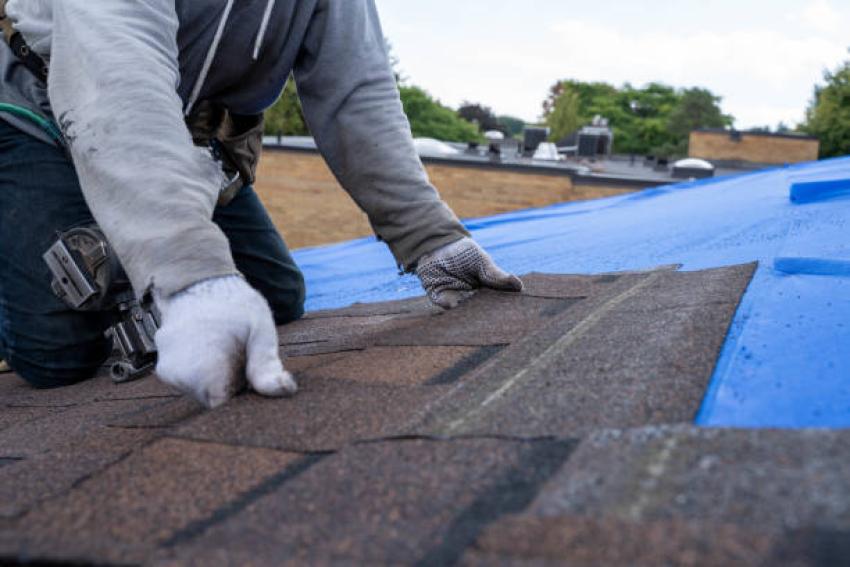
A good roof feels like a calm hand on your shoulder. It keeps your family safe when the sky turns dark. It also helps your home stay cozy when the air bites. And when summer heat hits, it helps your rooms feel steadier. The best part is simple: a well-installed shingle roof helps stop problems before they begin. That is why shingle roof installation in Kitchener ON matters so much, especially with the weather that can shift quickly. Your roof needs to stand up to rain, wind, snow, and strong sun without failing. This guide explains how shingles protect your home through every season, what a smart installation should include, and why small details can make such a big difference.
1) Shingle Roof Installation in Kitchener ON Starts With A Clean, Solid Deck
A tight start stops leaks before they begin. A roof works best when the first steps go right. The crew adds a water barrier in key spots. After that, they place shingles in neat rows that shed water. Because shingles overlap, water flows down and away. Also, nails must land in the right strip to hold strong. If nails sit too high, wind can lift the shingle edge. If nails sit too low, shingles can slide. So, correct nailing helps your roof stay locked in place. When the base layers and fasteners line up well, you get fewer leaks, fewer stains, and fewer surprise repairs.
2) Rain And Wind Protection You Can Feel Inside
Storms test every seam on your roof. However, shingle roof installation in Kitchener ON can handle hard rain when installers seal the edges well. Also, flashing around chimneys and walls guides water away. When wind tries to push water upward, tight seals fight back. So, your attic stays drier, and your ceilings stay cleaner.
Here are signs your roof is shedding water well:
Water drips never appear in the attic after rain.
Shingles sit flat, with no curling corners.
Metal flashing looks snug, not bent or loose.
Gutters carry water instead of overflowing stains.
Because moisture feeds mold, keeping things dry protects your air quality, too. And that helps your family breathe easier.
3) Winter Defense: Ice, Snow, And Hidden Damage
Winter brings heavy loads and sneaky leaks. Snow can sit for days, so your roof must drain as it melts. Also, ice can block water at the edge, which can push water under shingles. That is why ice-and-water barriers matter near eaves and valleys. Still, ventilation matters as much. When warm air gets trapped in the attic, it melts snow on the roof. Then, that water refreezes at colder edges. So, the cycle builds ice dams.
“Most winter roof leaks start when meltwater can’t drain the right way.”
Because winter damage can stay hidden, you want layers that work together. Good shingles, strong underlayment, and proper airflow make a safer system.
4) Summer Sun: How Shingles Help Control Heat
Summer can cook a roof all day. Yet shingles can help manage heat when installers build the roof correctly. First, attic ventilation lets hot air escape. Next, intake vents pull cooler air in. So, the attic stays closer to outdoor air, not oven heat. That protects your shingles from early aging. It also helps your AC work less.
“A balanced attic flow can cut heat buildup and reduce stress on roofing materials.”
Also, a well-laid shingle surface blocks UV rays from reaching the deck too quickly. Over time, that helps your roof last longer. And it can help rooms feel more even from morning to night.
5) Parts That Matter Most: Layers You Should Know
A shingle roof is more than shingles. So, it helps to know the key parts. Each layer plays a role in year-round protection.
Roof Part What it does for your home
Roof deck Holds the whole system steady
Underlayment Adds backup water protection
Ice-and-water barrier Helps block leaks near edges and valleys
Shingles Shed rain and resist sun damage
Flashing Seals around joints and roof breaks
Vents Moves heat and moisture out
If you live close to the area, shingle roof installation near Kitchener must still handle wet springs and icy winters. That makes every protective layer important.
6) Smart Installation Steps That Reduce Future Repairs
Good results come from good steps. So, here is what a careful install often includes.
Deck and prep
Installers remove weak wood and fix soft spots. Then, they clean the surface for tight adhesion.
Water control details
Next, they add underlayment and seal valleys. After that, they fit flashing where roofs meet walls.
Shingle layout and finishing
Then, they place starter strips and align shingles straight. Finally, they cap the ridge and seal exposed nails.
Also, clean work matters after the last nail. Crews should clear debris and check every edge. When steps stay consistent, repairs become less common. And that saves you money and stress over time.
7) A Roof That Supports Your Peace Of Mind
You deserve to feel safe in every season. So, think of your roof as your home’s first shield. When shingles sit right, they guide water away fast. When ventilation works, it controls heat and moisture. And when flashing seals tightly, joints stop acting like weak spots. If you ever compare Kitchener shingle roof installation services, focus on training, local code knowledge, and a clear scope. Also, ask how they handle vents, valleys, and flashing. These details do more than complete the job—they help protect your home for years to come. PBW Rooftops Repairs should always aim to give homeowners reliable protection through storms, sun, and changing seasons, so daily life feels more secure.
FAQ
How long can a shingle roof last?
Many last 15–30 years, depending on weather, airflow, and upkeep.
What is the biggest cause of roof leaks?
Poor flashing and weak seals often cause leaks, especially near joints.
How can I spot roof trouble early?
Check for missing shingles, ceiling stains, and damp attic smells after storms.