Introduction
ISO 22000 Procedures should be properly structured to support an effective Food Safety Management System (FSMS). These documented methods help organizations control food safety activities, maintain operational consistency, and improve compliance with ISO 22000 requirements. A well-defined documentation system can support monitoring activities, corrective actions, verification processes, and record management across all stages of food production and handling.
Many organizations focus only on manuals and templates, but an effective FSMS should also include controlled procedures that define how activities are performed, reviewed, and updated within the system. Competitor websites commonly use keywords related to manuals, documentation, SOPs, and FSMS requirements throughout the article structure to strengthen ranking signals.
What Should ISO 22000 Procedures Include?
A structured FSMS should include procedures that clearly define responsibilities, operational methods, and documentation controls. These procedures can help organizations maintain consistency and reduce risks associated with food safety operations.
The system should include:
- Operational control procedures
- Monitoring and verification activities
- Corrective action methods
- Record retention and traceability systems
- Document review and approval process
Organizations should ensure that procedures are aligned with operational activities and regularly updated to reflect process improvements, audit findings, and regulatory changes. Proper handling of ISO 22000 Documents can improve compliance readiness and support certification audits naturally within the FSMS structure.
Procedures should also define how departments communicate food safety information internally and externally. Many top-ranking FSMS articles explain that clearly documented responsibilities and approval systems can improve operational control and reduce implementation gaps during audits.
How Document Control Should Be Implemented
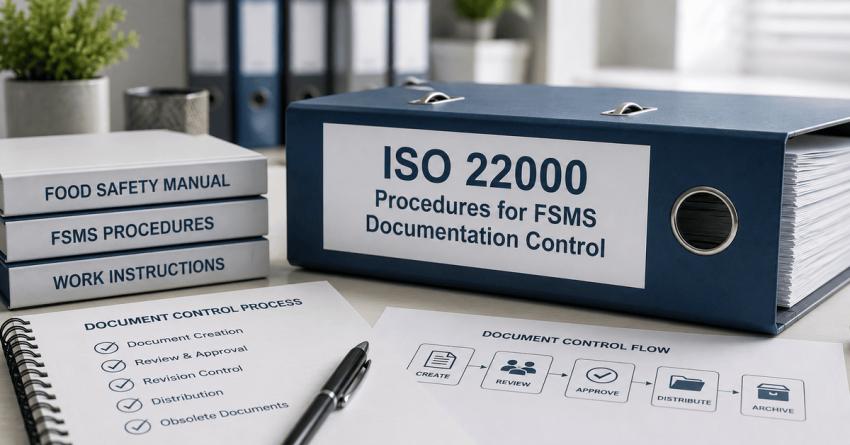
Document control should ensure that all food safety information remains updated, approved, and accessible to relevant personnel. Organizations should maintain a clear process for document creation, revision, approval, distribution, and removal of obsolete records.
A controlled system can help:
- Prevent use of outdated procedures
- Maintain revision history and traceability
- Improve consistency across departments
- Support audit preparation activities
An effective control process should also define who is responsible for reviewing documents and how revisions are communicated within departments. This approach can reduce operational confusion and strengthen implementation consistency across food safety activities.
ISO 22000 documentation practices should include revision tracking, controlled distribution, and retention methods that support traceability across the food supply chain. Competitor content commonly places keywords such as “food safety manual,” “FSMS documentation,” and “ISO 22000 procedures” naturally inside explanation sections instead of repeating the same phrase excessively.
FSMS Documentation Structure
An effective documentation hierarchy should define how food safety information is organized within the organization. A structured system can improve communication, operational control, and compliance management.
The documentation structure may include:
- Food Safety Manual
- Standard Operating Procedures (SOPs)
- Work instructions
- Monitoring records
- Verification forms
Organizations should regularly review and update documentation to ensure alignment with operational changes and compliance requirements. Properly maintained food safety management procedures can improve traceability, operational consistency, and audit preparedness across the FSMS.
Why Proper Documentation Matters
A controlled documentation system can improve traceability, strengthen food safety practices, and reduce operational errors. During certification audits, auditors typically review how procedures are managed, approved, updated, and implemented across departments.
Organizations with structured procedures should be able to demonstrate:
- Controlled documentation practices
- Effective record management
- Defined operational responsibilities
- Consistent implementation of food safety activities
Conclusion
ISO 22000 Procedures should support a structured and controlled Food Safety Management System by defining how food safety activities are implemented, monitored, and documented. Organizations can improve compliance, strengthen audit readiness, and maintain operational consistency through effective documentation control practices.
A well-organized FSMS should include clear procedures, controlled records, and updated documentation systems that support long-term food safety performance and certification success.