Introduction
The brain is one of the most protected organs in the human body. Even though it makes up only a small portion of total body weight, it consumes a large amount of oxygen and glucose every day. To support this demand, the brain depends on a highly organised network of blood vessels. Lining these vessels are specialised cells known as brain Endothelial Cells.
These cells are far more complex than a simple inner lining of blood vessels. They help control what enters and leaves the brain, maintain stable blood flow, and protect nerve tissue from harmful substances circulating in the bloodstream. Brain endothelial cells are essential for normal neurological function.
Damage to these cells contribute to disorders like stroke, Alzheimer's, MS, TBI, etc. This has increased scientific interest in endothelial cell function and its role in brain health.
What Are Brain Endothelial Cells?
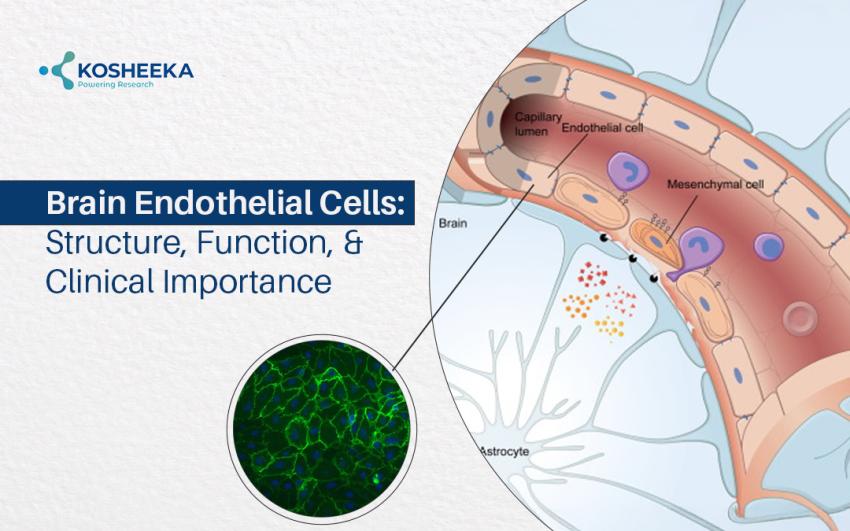
Brain Endothelial Cells are specialised endothelial cells that form the inner surface of blood vessels in the central nervous system. They are an important part of the blood–brain barrier, a protective system that separates circulating blood from sensitive brain tissue.
The brain endothelial cells are tightly connected, which creates selective barriers. This arrangement prevents harmful toxins, pathogens, and inflammatory substances from entering the brain freely.
Structure of Brain Endothelial Cells
One reason brain endothelial cells are so effective is their unique structure.
Tight Junctions
These junctions act like sealed connections between neighbouring cells, leaving very little space for unwanted substances to pass through.
The structural barrier formed is critical in maintaining the stability of the brain microenvironment. In case there is damage or leakage in the blood vessels, it leads to inflammation and tissue injury.
Specialised Transport Systems
Barriers are highly selective, nutrients cannot simply diffuse into the brain. Brain endothelial cells contain transport proteins that move important molecules across the barrier in a controlled way.
For example, glucose transporters ensure a constant energy supply to brain tissue, while other transport systems remove waste products and toxins.
Communication with Other Brain Cells
Brain endothelial cells constantly interact with nearby cells, especially astrocytes and pericytes supporting cells to maintain blood vessel stability and regulate vascular function.
Endothelial Cell Function in the Brain
The role of brain endothelial cells extends well beyond forming a barrier.
Maintaining Blood Flow
The brain is highly functional and requires a continuous supply of oxygen and nutrients. Brain endothelial cells aid in maintaining blood vessel function regulation. They release signalling molecules such as nitric oxide. This allows vessels to relax or constrict depending on the brain's needs.
Healthy endothelial cell function is therefore essential for proper cerebral circulation.
Regulating Nutrient Exchange
Neurons are highly active cells with significant metabolic requirements. Brain endothelial cells carefully control the entry of nutrients while preventing potentially harmful compounds from crossing into brain tissue.
Supporting Immune Defense
Although the brain is protected, it still requires immune surveillance. Brain endothelial cells participate in inflammatory signalling and regulate the movement of immune cells when infection or injury occurs.
Under normal conditions, this process remains tightly controlled. Problems begin when inflammation becomes excessive or chronic.
Protecting Neural Tissue
One of the most important jobs of brain endothelial cells is protecting neurons from toxins and harmful circulating substances. This protective function helps preserve normal brain activity and limits tissue damage.
Role of Vascular Endothelial Cells in Brain Health
Vascular endothelial cells are found throughout the circulatory system, but those present in the brain are especially important because neural tissue is extremely sensitive to reduced blood flow. Healthy brain endothelial cells support:
Facilitating a stable oxygen supply
Nutrient transportation
Maintain the integrity of the blood–brain barrier
Removes metabolic waste
Communication between blood vessels and neurons
Understanding Endothelial Dysfunction
Endothelial Dysfunction refers to impaired activity of endothelial cells. In the brain, this problem can weaken blood vessel regulation and disrupt the blood–brain barrier. The condition includes:
Hypertension
Diabetes
Smoking
Obesity
Chronic inflammation
Aging
Oxidative stress causes vital complications triggered by the presence of excessive free radicals. It significantly damages endothelial cells and reduces nitric oxide production. It adversely affects the normal relaxation of blood vessels. As endothelial dysfunction progresses, blood vessels may become more inflamed and less efficient at maintaining proper circulation.
Clinical Importance of Brain Endothelial Cells
Stroke
Blood flow is interrupted in brain tissue. Brain endothelial cells are often damaged early in this process, leading to inflammation, vascular leakage, and worsening tissue injury. Researchers are now exploring therapies aimed at protecting endothelial cells during acute stroke management.
Alzheimer's Disease
There is increasing evidence that vascular dysfunction contributes to Alzheimer's disease. Changes in brain endothelial cells may impair blood flow and reduce the clearance of toxic proteins such as amyloid-beta.
Many scientists now believe vascular health plays an important role in cognitive ageing.
Multiple Sclerosis
Immune cells abnormally cross the blood–brain barrier and attack nervous tissue. Brain endothelial cells are directly involved in regulating this immune cell movement. Barrier disruption is considered an important step in disease progression.
Traumatic Brain Injury
Head injuries can cause physical damage to the blood vessels and disrupt endothelial integrity. This may lead to swelling, inflammation, and long-term neurological complications.
Emerging Research and Regenerative Medicine
Modern research is increasingly focused on repairing vascular damage within the brain.
Experimental studies involving stem cells, growth factors, and exosomes are being investigated for their potential to support endothelial repair and reduce inflammation. Scientists are explored to improve drug delivery across the blood–brain barrier.
Although many of these approaches are still under investigation, they highlight the growing importance of vascular biology in neurological treatment strategies.
Maintaining Healthy Endothelial Cell Function
Various lifestyle factors and metabolic health influence endothelial health. Certain factors include:
Regular physical activity
Balanced nutrition
Blood sugar management
Maintain blood pressure
Avoiding smoking
Maintaining healthy sleep patterns
Physical activities significantly improve blood circulation and stimulate nitric oxide production. Protecting vascular health early in life may also help lower the long-term risk of cerebrovascular and neurodegenerative diseases.
Conclusion
Brain endothelial cells have a pivotal role in protecting and supporting the central nervous system. The cells regulate blood flow and maintain the blood-brain barrier. Damage in the brain endothelial cells triggers inflammation, circulation and neurological function. The research related to brain endothelial cells has core importance in neuroscience and regenerative medicine. A better understanding of these specialised cells potentially leads to improved strategies for protecting brain health and managing neurological disease.