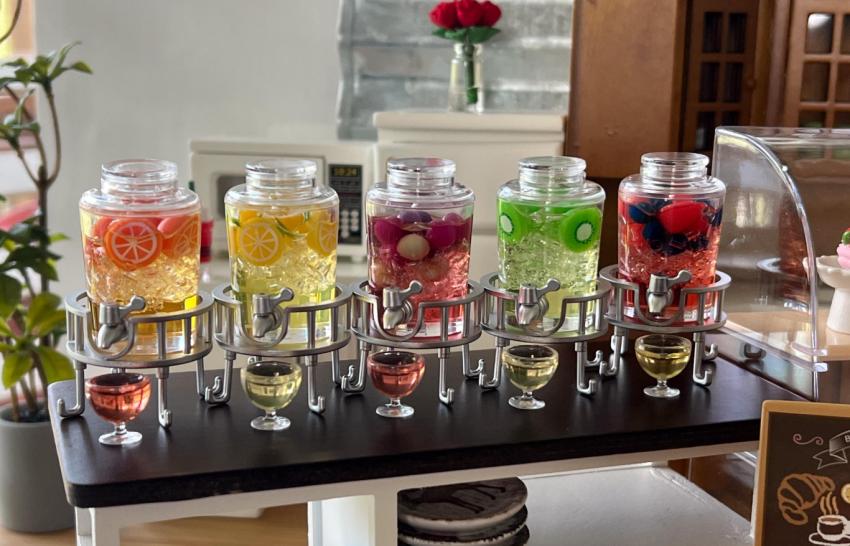
A commercial beverage dispenser is more than just a container with a tap—it is a critical piece of front-of-house equipment that directly impacts service speed, product quality, hygiene, and customer experience. In Australia’s competitive hospitality sector, where cafés, pubs, hotels, and quick-service outlets operate under strict food safety standards and high customer expectations, choosing the right dispenser can significantly influence operational efficiency and revenue.
This article explores the top features to look for in a commercial beverage dispenser, with a focus on Australian business needs, compliance requirements, and real-world usage scenarios.
1. Capacity and Bowl Configuration
Capacity is one of the first features to evaluate because it determines how well the dispenser can handle your service volume. Commercial units typically offer 5-18 litres per bowl, with multi-bowl systems capable of serving over 50 litres at once.
For Australian venues with high foot traffic, such as pubs, food courts, and beachside cafés, multi-bowl dispensers are often essential during peak periods. Smaller boutique cafés may benefit from compact single-bowl units that save space while still delivering efficiency.
Capacity Comparison Table
Business Type
Recommended Capacity
Typical Configuration
Reason
Small Café
5–12 L
Single bowl
Lower demand, limited space
Medium Restaurant
12–24 L
Double bowl
Variety of drinks
Hotel Buffet
24–50+ L
Triple/multi-bowl
High-volume service
Catering/Event
16–40 L
Portable dual units
Flexibility and mobility
Selecting the right capacity prevents frequent refilling, reduces downtime, and ensures smooth service during rush hours.
2. Cooling System and Temperature Control
Temperature control is crucial for beverage quality and food safety. Refrigerated dispensers maintain drinks at optimal serving temperatures, typically between 3°C and 10°C, ensuring freshness and compliance with Australian food safety standards.
Advanced models use digital thermostats and efficient compressors to maintain consistent cooling even during peak service. Some systems also feature eco-friendly refrigerants and energy-efficient designs, which are increasingly important for Australian businesses aiming to reduce energy costs and environmental impact.
A reliable cooling system ensures beverages remain safe to consume while preserving flavour and texture throughout the day.
3. Mixing Mechanism and Beverage Consistency
The mixing system plays a vital role in maintaining beverage quality, especially for drinks containing pulp, dairy, or syrups. Commercial dispensers generally use one of two systems: paddle stirring or spray circulation.
Paddle systems gently mix beverages, preventing separation and reducing foam or oxidation. Spray systems, on the other hand, are ideal for clear liquids such as juices and iced teas.
For Australian cafés offering smoothies, milk-based drinks, or fresh juices, paddle stirring systems are often the better choice as they maintain consistency and visual appeal.
Mixing System Comparison Table
Feature
Paddle Stirring
Spray Circulation
Best For
Dairy, pulp drinks
Clear liquids
Foam Control
Excellent
Moderate
Beverage Consistency
High
Medium
Maintenance
Moderate
Low
Choosing the right mixing mechanism ensures that every serving meets customer expectations.
4. Build Quality and Materials
Durability is essential in commercial environments where equipment operates continuously. High-quality beverage dispensers are typically constructed using stainless steel exteriors and food-grade polycarbonate bowls.
Polycarbonate is widely used because it is impact-resistant, transparent, and easy to clean, while stainless steel provides strength and corrosion resistance.
Australian operators should prioritise equipment that can withstand heavy usage, especially in busy venues such as pubs, clubs, and stadiums.
5. Ease of Cleaning and Maintenance
Daily cleaning is mandatory for beverage dispensers in Australia to comply with hygiene regulations and prevent contamination.
Features that simplify cleaning include removable bowls, tool-free disassembly, and accessible taps. Units with smooth internal surfaces and minimal crevices reduce the risk of bacterial buildup and speed cleaning.
Cleaning Features Comparison Table
Feature
Benefit
Removable bowls
Easy washing and sanitising
Tool-free disassembly
Saves time during cleaning
Non-drip taps
Reduces mess and contamination
Smooth surfaces
Prevents residue buildup
Investing in an easy-to-clean dispenser reduces labour costs and ensures compliance with food safety standards.
6. Dispensing Mechanism and User Experience
The dispensing system affects both staff efficiency and customer satisfaction. Non-drip taps and push-to-serve mechanisms are common features that enhance usability and reduce waste.
High-quality taps ensure smooth flow, prevent leakage, and minimise spills, which is especially important in self-service environments such as buffets and quick-service restaurants.
User-friendly controls also make it easier for staff to operate the machine, reducing training time and operational errors.
7. Energy Efficiency and Environmental Impact
Energy efficiency is becoming increasingly important for Australian businesses due to rising electricity costs and sustainability goals. Modern beverage dispensers are designed with energy-efficient compressors, insulation, and eco-friendly refrigerants.
Units that maintain temperature efficiently without excessive power consumption can significantly reduce operating costs over time. Some advanced models also use environmentally friendly refrigerants that comply with Australian environmental regulations.
Choosing energy-efficient equipment is not just about cost savings—it also supports sustainability initiatives and brand reputation.
8. Versatility and Beverage Compatibility
A good commercial beverage dispenser should accommodate a wide range of drinks, including juices, iced tea, milk-based beverages, and flavoured water.
Some models are designed specifically for thicker liquids, while others are better suited for clear beverages. In Australia’s diverse hospitality market, versatility is a key advantage, allowing businesses to adapt their menu without investing in multiple machines.
9. Compliance with Australian Standards
Compliance is a non-negotiable factor when selecting commercial equipment in Australia. Beverage dispensers must meet electrical safety standards (RCM certification) and comply with FSANZ food safety guidelines.
Additionally, operators should ensure the equipment is properly placed in front-of-house areas, as excessive heat or poor ventilation can affect performance and safety.
Investing in compliant equipment reduces legal risks and ensures smooth business operations.
Key Features Summary Table
Feature
Importance Level
Impact on Business
Capacity
High
Determines service efficiency
Cooling System
High
Ensures food safety and quality
Mixing Mechanism
High
Maintains beverage consistency
Build Quality
High
Long-term durability
Cleaning Ease
High
Compliance and labour savings
Dispensing System
Medium
User experience
Energy Efficiency
Medium
Cost savings
Versatility
Medium
Menu flexibility
Compliance
Critical
Legal and safety requirements
Design
Medium
Customer appeal
Warranty
Medium
Investment protection
Choosing the right commercial beverage dispenser is a strategic decision that goes beyond basic functionality. For Australian businesses, factors such as capacity, cooling performance, hygiene compliance, and energy efficiency are crucial to ensuring smooth operations and customer satisfaction.
A well-selected dispenser not only improves service speed and beverage quality but also enhances presentation and reduces operational costs. By concentrating on the essential features mentioned in this article, enterprises can make informed decisions that align with their service needs, budget, and long-term growth goals.