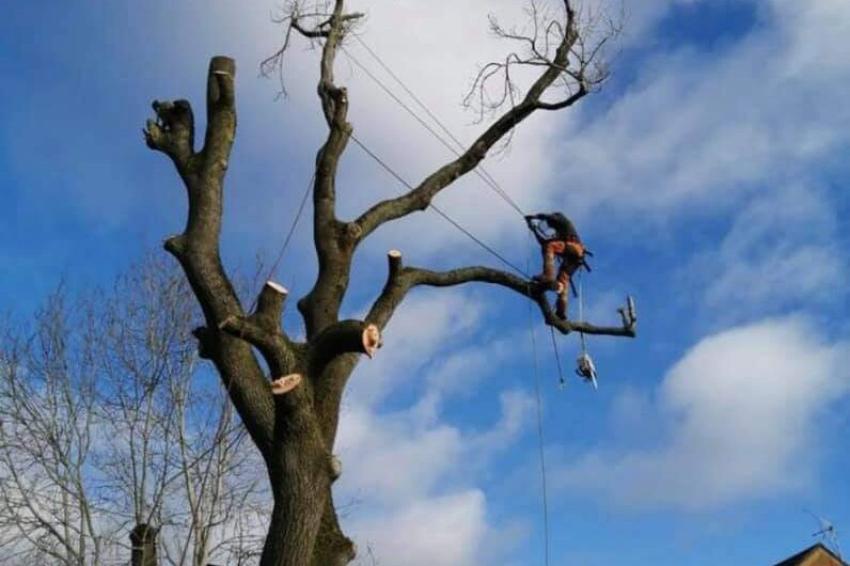
Most tree problems don’t start suddenly. They accumulate with time: pruning has been overlooked, small cracks, and uncontrolled growth. The risk is already present by the time they become visible. Timing is important because of its impact.
In the Midlands, tree work isn’t just about keeping things tidy. It concerns safety, legal compliance, and cost control. When it comes to managing a commercial location or a large piece of land, it can actually make a difference when you know when you need to carry out tree surgery services.
This guide informs what actually works all year round, depending on how trees behave and the influence of local conditions on them.
Why Timing Makes a Real Difference
Tree surgery is not a one-size-fits-all. The same thing done at the wrong time may end up being more damaging than beneficial. At the right time, you get:
Healthier growth and improved recovery.
Reduced chance of disease transmission.
Safer working conditions.
Fewer interruptions to your site.
When the timing is not right, problems can accumulate in a short period. Trees become unsteady, branches grow weaker, and minor problems become costly repairs. That is also a liability risk in the case of commercial properties.
Winter (December to February): Best Time for Planned Work
When you are thinking ahead, the best season for tree surgery services is winter. During this time, trees are dormant. That means reduced stress when branches are removed and better visibility to do accurate work.
You are able to view the entire structure without the leaves obscuring the view. That assists in accurate pruning and removal, which is safer.
Works best suited for winter:
Crown reduction
Structural pruning
Full tree removal
Large-scale clearance
In the case of commercial sites, winter is also better operationally. Foot traffic is often less, and accessibility is easier, causing less disruption.
Spring (March to May): Limited and Regulated
Spring would be a good time to do some maintenance, but it is limited. The trees are growing actively, and the activity of wildlife increases. The law protects nesting birds, meaning that work cannot always proceed.
To top it all, intense pruning at this stage may make trees weak.
What usually happens in spring:
Site inspections
Light trimming when necessary
Emergency work only
In the case of a necessity for some work, it must be carried on with care. Experience is very important here. You require the person who knows the local laws and checks everything prior to the commencement of work.
Summer (June to August): Focus on Safety Work
Summer is not the ideal time to do heavy cutting, but it can be used to control the risk. The trees are fully in leaf, and problems can be easier to observe, such as dead branches or overgrowth obscuring the view.
Suitable work during summer:
Removing dangerous limbs
Controlling overgrowth along paths or buildings.
Improving light access
Even heavy pruning must not be done unless it is necessary. It can also put stress on the tree and influence its long-term structure. On large sites, small, focused work is the rule at this time of the year to ensure that all remains safe and in usable condition.
Autumn (September to November): Preparation Phase
Autumn is an overlooked season, yet it is one of the most practical seasons to take action. Trees start to slow down, and structural flaws are easier to detect. It’s also the point where you prepare for winter storms.
What makes autumn useful:
Early identification of weak branches.
Preventative pruning
Winter work planning
When you leave everything to winter without seeing it first, you run the risk of missing something that may get worse during storms. In case of a bigger property, autumn is the time when you evaluate, plan, and schedule the future work appropriately.
Situations That Need Immediate Action
It is not possible to wait until the appropriate season. There are certain problems which should be addressed immediately, regardless of the time of the year.
Take action immediately in case you observe the following:
Hanging or broken tree branches.
Trees leaning towards buildings
Signs of decay or disease
Storm damage
Ignoring such issues may have severe consequences, such as destruction, harm, and legal problems. The emphasis in such situations is on safety rather than time.
Local Factors in the Midlands
Tree work in the Midlands comes with its own challenges. You have to deal with a combination of urban areas, open spaces, and weather changes. Storms are a common problem, particularly during the colder seasons. It puts an added strain on trees that have not been taken care of.
Protected trees also have strict regulations around them. Before commencement of any work, checks must be made against:
Tree Preservation Orders (TPOs)
Conservation area restrictions
Violation of these regulations may result in penalties or delays. It’s not something you want to deal with after work has already started.
Why a Planned Approach Works Better for Commercial Sites
When you are dealing with a commercial property, it is not enough to react to the problems. You need a plan. The usual procedure of providing tree surgery services in the Midlands would typically involve:
Regular inspections
Scheduled winter work
Continuous year-round maintenance.
This helps to minimise unforeseen problems and ensure your site is secure. It is also useful in budgeting. Rather than incurring unexpected expenses, you roll maintenance costs across a time period.
Properly maintained grounds also put your business in a better light. It is one of those items that individuals observe without even reflecting on them.
What to Expect from a Professional Service
Guesswork should never be applied to tree work. The process should be made transparent at the beginning.
A reliable service will:
Assess the site before doing anything
Enquire about legal limitations.
Use qualified and trained staff
Follow safe working practices
Remove and dispose of waste properly
Experience is important, particularly in bigger sites. You require a team of people that can manage the scale without compromising. That involves working safely around buildings, controlling access, and ensuring disruption is minimal.
Seasonal Summary
Every season has its role, but not all are created equal.
Heavy work is best done in winter.
Spring is restrictive and is good for checking.
Summer is the season of safety-focused maintenance.
Autumn is a time of preparation and planning.
This knowledge can assist you in avoiding unnecessary risks and ensuring better outcomes of the work performed.
Final Thoughts
Maintaining trees is not a thing to postpone until there is a noticeable problem. At this point, it is sometimes already too late. In the Midlands, where weather and regulations also contribute, timing your work well will help you be ahead of problems rather than react to them.
Things are easier with a clear, year-round plan. It maintains healthy trees, minimises safety hazards, and does not make decisions at the last minute, which tend to be more costly.
Whether working in a business premise or expansive grounds, timing is what will make the tree surgery services effective instead of reactive.