Look around a newer retail setup or event layout: it doesn’t feel crowded like before. There’s less going on, but it makes more sense. Rather than just decorating, there are elements that help shape the space. Wooden planters are part of this trend. They're not just holding plants; they're helping to create displays and add texture without clutter.
If you’re working in retail or events, this shift matters. A display has to do more than look good. It should catch the eye, support what’s being sold, and feel easy to move through.
Why Wooden Planters Are Being Used More Often
Wooden planters work because they’re easy to fit into almost any setup. You don’t have to force them in.
They don’t compete with the product either. They stay in the back, add a bit of texture, and break up flat layouts. That alone makes a difference, especially in retail, where everything on one level tends to get overlooked.
And it's economical, too. A wooden planter can be used in different ways. The reclaimed wood box that goes on a shelf in a shop can also go on a table for an event. You don't have to have different display elements for different uses.
That's why companies are now investing in wholesale wooden planters, instead of using ineffective materials.
How Wooden Planters Improve Retail Displays
A good display doesn’t just define itself by product placement on a shelf. It also needs structure, variation, and a clear visual flow. And wooden planters are the ones that help with all three.
They Help Organize Without Looking Forced
To group products, many retailers now use reclaimed wood boxes or rectangular planters, rather than using plastic trays or separators.
For example:
You can place small items inside a wooden box on a shelf
Featured products can stay elevated inside a planter
This helps keep things organized without making the display feel rigid.
They Add Height Where It’s Needed
Flat displays don’t hold attention for long. When everything stays at the same level, nothing stands out.
Planters with metal stands or raised bases fix that. They lift certain products slightly higher, which creates layers. Once you add a bit of layering, people can take in the display faster. It just feels easier to look at.
You’ll notice this working well on shelves, window setups, and even near checkout areas.
They Support Better Product Presentation
The material in a display quietly affects how everything is perceived. There’s something about wood: it keeps things grounded. You don’t get that artificial, glossy look that comes with plastic.
Add products into that setup, and it just feels better put together. The items haven’t changed, but they often come across as more premium.
For retailers working across multiple locations, using wholesale wooden planters helps keep that same look consistent everywhere.
Where Wooden Planters Fit in Event Styling
In events, it’s not just about how things look, but you also have to set it up fast and tweak it on the go.
Wooden planters help with both.
Table Centerpieces That Don’t Need Much Work
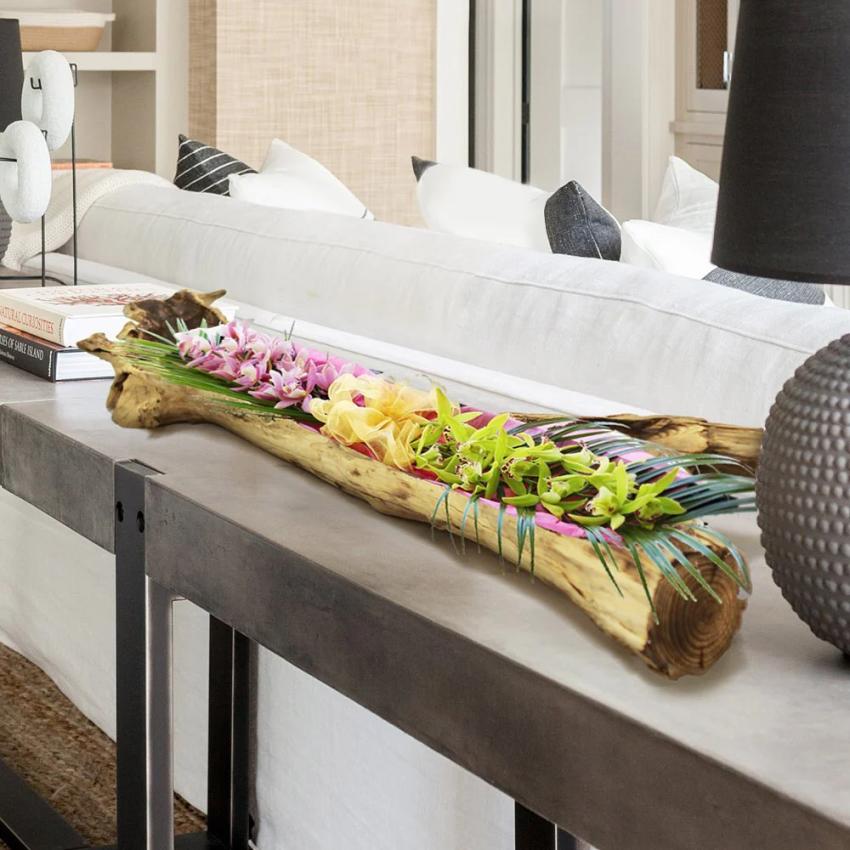
Long wooden trays and carved bowls are often used as centerpieces. They already give the setup some shape, so it doesn’t feel empty.
After that, it’s simple: drop in some flowers, greens, maybe candles. You’re not starting over every time.
Statement Pieces for Key Areas
Large wood pots and column-style planters are usually placed in areas that need visual weight.
You’ll see them in entry points, stage sides, and lounge corners. They don’t need extra decoration. Their size and texture are enough to anchor the space.
Keeping the Whole Setup Consistent
Most events aren’t just one space; they’re broken into zones. And when nothing connects them, it shows.
That’s where repeating elements help. Wooden planters, for example, use them across tables, entry points, and along the sides. It pulls everything together without much effort.
You can still change the styling, but the base stays familiar. And if you’re handling multiple events, it saves time too. You can reuse the same pieces instead of rebuilding everything each time.
Types of Wooden Planters and Where They Work Best
Not every planter serves the same purpose. Here’s how the common types are usually used.
Reclaimed Wood Boxes
Best for shelves, counters, and compact displays. Easy to move, easy to reuse, and works well for grouping smaller products.
Wood Planters with Metal Stands
These are best for adding height in modern retail spaces. The balance of wood and metal works well in stores that already use industrial fixtures.
Long Wooden Trays and Bowls
Used on tables and long surfaces. Ideal for centerpieces or running displays where you need a continuous layout.
Sculptural Wood Pots and Columns
These are more about presence. Used when you need a focal point without adding multiple elements.
Large Wooden Planters
Placed on the floor in open areas. Useful for entrances or corners that need something to balance the space.
What to Check Before Buying in Bulk
If you’re planning to use these across displays or events, a few practical details matter.
Build Quality
Go with something solid. If it chips or loosens after a few shifts, it’s not worth it.
Weight
Worth checking before you buy; some are surprisingly heavy. That’s fine for fixed setups, but not so much for flexible ones.
Storage
This is where people get stuck. If you’re ordering in bulk, stackable designs make life easier.
Consistency
If you’re buying a larger batch, don’t overlook consistency. Even minor variations can stand out once everything is placed together.
Matching sizes and finishes keep the display looking steady and put-together, no matter where it’s set up.
Why This Shift Is Not Going Away
This trend is not short-term. Wholesalers and retail buyers are choosing wooden planters because they are easy to work with, and you can use them repeatedly without any complexity.
They are not dependent on seasonal colors or any specific themes. It’s easy for you to use the same decor piece across different setups. On the business side, it cuts down on how often things need replacing. Also, there will be less time spent reworking setups.
Final Thoughts
Wooden planters are being used differently now. They’re not just containers. They’re part of how displays are built and how spaces are structured.
Retail store owners use them to display products, give texture, and add visual interest. Event designers appreciate how wooden planters are easy to set up and look the same across a space.
If you need displays that are neat, adaptable, and showcase products well, wooden planters are a good choice.