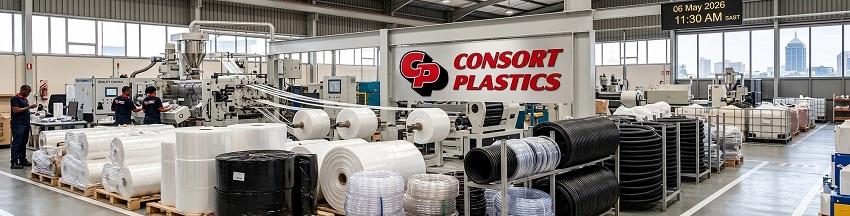
In the bustling retail landscape of Gauteng and across the Western Cape, the humble carrier bag is an essential tool for millions. While often taken for granted, the engineering behind plastic bags in South Africa has undergone a sophisticated evolution. At the heart of this transformation is High-Density Polyethylene (HDPE), a robust polymer that provides the perfect balance of lightweight convenience and heavy-duty strength. https://www.consortplastics.co.za/the-unsung-hero-of-the-modern-pantry-a-love-letter-to-the-plastic-bag/
The Science of Molecular Density
The effectiveness of HDPE lies in its molecular structure. Unlike other plastics, HDPE is characterized by long, linear chains with minimal branching. This allows the molecules to pack tightly together, creating a dense, crystalline structure. For consumers using plastic bags in South Africa, this science translates into "tensile strength"—the ability of a thin film to resist stretching and tearing under the weight of heavy groceries or industrial supplies. It is this specific density that allows a bag weighing only a few grams to carry kilograms of goods without failing.
Adapting to Local Regulations
The South African market is currently leading the way in sustainable plastic management. As of 2026, the Department of Forestry, Fisheries, and the Environment has implemented strict mandates regarding recycled content. Modern plastic bags in South Africa are now designed with circularity in mind, moving toward a target of 100% post-consumer recyclate by 2027. HDPE is the ideal candidate for this transition because it maintains its structural integrity even after being recycled, allowing local manufacturers to meet government standards without sacrificing the durability that shoppers expect.
Efficiency and Environmental Impact
One of the greatest advantages of HDPE is material efficiency. Because the polymer is inherently strong, manufacturers can produce thinner bags that perform better than thicker alternatives made from lower-quality materials. This "source reduction" means that fewer raw materials are used in production. Furthermore, the resilience of HDPE encourages the multi-use habit common among citizens; plastic bags in South Africa are frequently repurposed as bin liners, storage solutions, or transport bags, significantly extending their functional lifespan before they enter the recycling stream. When we think of “innovation,” our minds often drift to sleek smartphones or electric cars. But let’s take a second to celebrate a humbler masterpiece of engineering that lives in a tidy knot under your kitchen sink: plastic bags.
A Durable Future
As South Africa continues to refine its waste management strategies through the National Waste Management Strategy 2026, the role of HDPE remains central. Its moisture resistance, chemical stability, and sheer toughness make it indispensable for everything from retail to agriculture. By understanding the high-density science that shapes these carriers, we can better appreciate the innovation that keeps our economy moving while working toward a cleaner, more sustainable future.