Why Your Party Feels Like a Traffic Jam With a Camera
You've seen it happen. Guests pile up near the entrance, someone's blocking the bar, and that expensive spinning camera sits in the corner with a five-person line that never moves. Here's the thing — most people rent a 360 photo Booth Rental Sunnyvale, CA and then stick it in the worst possible spot. Not because they're clueless, but because everyone repeats the same bad advice about "high traffic areas." Sounds smart until you realize high traffic doesn't mean high engagement. It means chaos.
The placement mistake isn't just annoying. It actually ruins the vibe. Guests feel rushed, operators get stressed, and half your attendees skip the booth entirely because the line looks like airport security. And nobody warns you about this until after the party bombs.
The "Near the Entrance" Disaster Everyone Recommends
Event blogs love this tip: put the booth where people walk in so they see it immediately. Great in theory. Awful in reality.
What actually happens? Guests arrive in waves. Coats need dropping, drinks need grabbing, hosts need greeting. Nobody wants to stop and pose while they're still figuring out where the bathroom is. So the booth sits empty during the critical first hour when energy should be building.
Then the second wave hits. Now people want to use it, but there's a bottleneck. The entrance is clogged with latecomers, early leavers, and that one person who can't find their coat check ticket. Your 360 setup becomes an obstacle course. Guests avoid it because it's genuinely in the way.
The Psychology Behind Why This Fails
People don't want to perform when they're in transition mode. Walking through a door? Transitional. Looking for their table? Transitional. Grabbing appetizers? Transitional. The entrance zone keeps everyone moving — mentally and physically. Nobody relaxes enough to think "yeah, let's do a slow-mo spin right now."
You need stationary energy. Places where people stop, settle, and start having fun. That's when they pull out props and drag their friends into frame.
Why the Dance Floor Proximity Advice Backfires Hard
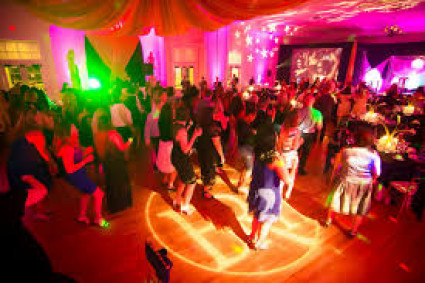
Second-worst tip: stick the Event Photo Booth Rental Sunnyvale, CA right next to the dance floor so people can "easily hop over between songs." Sounds perfect for capturing that party energy, right?
Wrong. Dead wrong.
Here's what event planners won't tell you: people are wildly self-conscious in transition zones. The dance floor edge is peak self-consciousness territory. You're not dancing yet, but you're close enough that everyone dancing can see you. You're not sitting safely at a table, but you're not fully committed to the action either. It's social limbo.
So guests skip the booth. They don't want to pose awkwardly while their friends are grinding ten feet away. They don't want to look like they're "trying too hard" while others are just vibing naturally. The booth becomes the thing you do when you're ready to leave and it doesn't matter anymore.
What About the Noise Issue Nobody Mentions?
Dance floors are loud. Like, can't-hear-the-operator-give-instructions loud. Half your videos will be people looking confused because they didn't catch the cues. The other half will be people yelling over the music, which looks chaotic on camera instead of fun.
Plus, bass vibrations mess with tripod stability. Your "smooth 360 spin" turns into a shaky mess that makes people nauseous when they watch it back.
Where Drunk People Actually Hang Out (Your Golden Spot)
Want to know the secret? Find where tipsy guests naturally congregate, and put the Birthday Party Photo Booth Rental near me there.
Not hammered-drunk. Tipsy. That sweet spot where inhibitions drop but coordination's still solid. These folks want to do something fun, they're not worried about looking stupid, and they'll drag their sober friends into the frame.
Where do you find them? Near the bar, but not blocking it. About 10-15 feet away from the actual bartender. Close enough that people waiting for drinks get curious. Far enough that you're not creating a second line problem.
Or try the lounge area. If your venue has couches, high-top tables, or any kind of "chill zone" away from the main action, that's prime real estate. People sitting there are already in performance mode — they're chatting, laughing, showing off. They're primed to jump into a video.
The Science of Strategic Placement
Think about foot traffic patterns, but not the way everyone tells you. You don't want the busiest path. You want the convergence point where multiple paths meet and people pause.
Bathroom hallway? Sometimes gold. Everyone passes through, but they're not in a rush yet. They see the booth, they think "on my way back," and they actually follow through because it's literally on their route.
Food station area? Hit or miss. If people are juggling plates, they won't stop. But if there's seating nearby and they've already eaten, you've got a captive audience with free hands.
The Hidden Cost of Bad Placement (That Nobody Calculates)
Here's what actually happens when you screw up booth placement. You don't just get fewer videos. You get worse videos.
Stressed guests rush through their sessions because they feel like they're holding up the line. They skip the fun props. They do one take and bail. Your highlight reel ends up full of awkward, half-hearted spins instead of the wild, creative stuff that makes 360 booths worth renting in the first place.
And then there's the attendant burnout. When placement creates chaos, your operator spends the whole night managing traffic instead of hyping people up and coaching them into better shots. You're paying for expertise and getting crowd control instead.
Northern Cal Selfies actually tracks this — booth placement directly affects video quality scores and guest satisfaction ratings. The same equipment, same operator, different spot? Completely different results.
What the Data Actually Shows
Venues with corner placements (away from main traffic, near secondary gathering spots) average 40% more sessions per event than entrance placements. Not because of visibility — because of comfort and convenience.
Booths placed within 20 feet of the bar but not directly adjacent? 60% higher prop usage. People are looser, more creative, and more willing to look silly when they're in "fun zone" territory instead of "transit zone."
How to Actually Pick the Right Spot
Stop listening to generic advice. Walk the venue before guests arrive and ask yourself three questions:
Where will people stand around and talk for five minutes without feeling awkward? That's question one. If you can picture guests naturally clustering there, chatting and laughing, that's a potential booth spot.
Where can someone watch the booth in action without being in line? Question two matters because social proof drives usage. When people see others having fun, they want in. If the booth's tucked away where you can't see it until you're committed to the line, you lose that viral effect.
Can someone get to the booth, do a session, and return to their group without a long walk? Question three prevents the "I'll do it later" trap. Later never comes at parties. If the booth requires a journey, people won't make the trip.
The Backup Plan Nobody Talks About
Sometimes the perfect spot isn't available. Another vendor claimed it, the venue has restrictions, or the floor plan just doesn't cooperate. Have a plan B.
Look for corners with decent visibility. Back corners are bad — nobody ventures there. Front corners near windows or interesting architectural features? Good. People drift toward visual interest, and you can ride that wave.
Or embrace the chaos and put it in a completely unexpected spot. Middle of the dance floor during cocktail hour, then move it before dancing starts? Could work. You get the early crowd when energy's building, then relocate to your real spot for the night. Just make sure your contract allows it and your operator has help with the move.
Why Photo Booth for Parties near me Placement Choices Affect Your Bottom Line
Let's talk money. You're not just renting equipment — you're buying an experience. Bad placement tanks that experience and wastes your budget.
Think about cost per video. If you're paying $800 for a rental and you only get 40 sessions because nobody could access the booth comfortably, that's $20 per video. Same setup in a smart spot might generate 120 sessions — $6.67 per video. Same money, triple the value, just because you picked the right corner.
And don't forget social media ROI. Good placement creates better content, which means more shares, more tags, and more organic reach for your event. Bad placement creates forgettable footage that gets deleted before guests even leave the parking lot.
The right call on booth placement turns your rental from "expensive party decoration" into "thing everyone's still talking about on Monday." And honestly? That's the whole point of getting a 360 photo Booth Rental Sunnyvale, CA in the first place.
Frequently Asked Questions
Can I move the booth during the event if the first spot doesn't work?
Technically yes, but it's a massive hassle and risks breaking equipment. Most operators need 30-45 minutes to fully relocate and recalibrate everything. That's dead time where nobody's using the booth. Better to scout properly beforehand or ask your rental company for a site visit to plan placement together.
What if my venue has specific rules about where booths can go?
Always check venue restrictions before booking. Some spaces ban equipment near exits (fire code), others won't allow anything on certain flooring types, and historic venues often have strict placement rules. Get venue approval in writing so your operator knows exactly where they're allowed to set up before they arrive.
Does outdoor placement follow different rules than indoor setup?
Completely different game. Outdoors you're fighting sun glare, wind, and ground stability issues. You need shade or your videos will be blown out and unwatchable. You need wind protection or the booth literally shakes. And you need level ground certified for equipment weight. Most companies charge extra for outdoor setups because of the added complexity.
How much space does a 360 booth actually need including the safety zone?
Plan for a 12-foot diameter minimum — that's the spinning platform plus safe clearance so guests don't get whacked by the arm. Some larger rigs need 15 feet. Plus you need another 6-8 feet for the queue line and prop table. Total footprint? About 200-250 square feet for a comfortable setup that doesn't feel cramped.
What happens if someone gets hurt because the booth was placed wrong?
Liability nightmare. If the booth's blocking an exit and there's an emergency, or if someone trips over cables because the setup created a hazard, you're looking at serious legal exposure. Reputable rental companies carry insurance, but you might still be on the hook if you overrode their placement recommendations. Always prioritize safety over aesthetics when picking the spot.