Rain protection clothing has become an essential part of modern outdoor wear, whether you are commuting to work, hiking in the mountains, cycling through the city, or simply preparing for unpredictable weather. The right rain gear can keep you dry, comfortable, and protected without sacrificing mobility or style. However, not all rainwear is created equal. With countless options available on the market, understanding the key features of quality rain protection clothing can help you make a smarter investment.
1. Waterproof Performance
The most important feature of rain protection clothing is its ability to keep water out. Waterproof performance determines how effectively the garment protects you during light drizzles, moderate rain, or heavy storms.
Waterproof vs Water-Resistant
Many people confuse waterproof and water-resistant clothing, but they are not the same.
- Water-resistant clothing can repel light rain for a short period but may eventually allow moisture to seep through.
- Waterproof clothing is designed to completely block water penetration, even in prolonged heavy rain.
When shopping for rainwear, look for garments labeled as waterproof rather than merely water-resistant if you expect serious wet-weather exposure.
Waterproof Ratings
Rain jackets often come with waterproof ratings measured in millimeters (mm). This indicates how much water pressure the fabric can withstand before leaking.
General guidelines include:
- 5,000 mm: Light rain protection
- 10,000 mm: Moderate rain protection
- 20,000 mm or more: Heavy rain and extreme weather protection
Higher ratings generally provide better protection, especially for outdoor sports and long periods in wet conditions.
2. Breathability
While staying dry from rain is important, staying comfortable inside the garment is equally critical. Breathability allows sweat and body heat to escape, preventing overheating and moisture buildup.
Without proper breathability, waterproof clothing can feel clammy and uncomfortable after physical activity.
Breathable Membrane Technology
Many premium rain protection garments use breathable membrane technology that allows water vapor to escape while blocking rain from entering. Popular technologies include:
- Gore-Tex
- eVent
- Pertex Shield
- Proprietary waterproof membranes
These materials help balance waterproofing and ventilation, making them ideal for hiking, running, cycling, and active outdoor use.
Ventilation Features
Some rainwear also includes additional ventilation features such as:
- Pit zips
- Mesh-lined pockets
- Back vents
- Adjustable cuffs
These improve airflow and help regulate body temperature during movement.
3. Seam Sealing
Even the most waterproof fabric can leak if the seams are not properly sealed. Needle holes created during stitching can allow water to enter the garment.
Fully Taped Seams
Look for clothing with fully taped or sealed seams. Seam tape covers stitching lines from the inside and prevents water penetration.
There are three main seam types:
- Critically taped seams: Only major seams are sealed
- Fully taped seams: All seams are sealed for maximum protection
- Welded seams: Seamless construction using heat bonding
Fully taped or welded seams are best for heavy rain conditions.
4. Durable Water Repellent (DWR) Coating
Most rain protection clothing includes a Durable Water Repellent (DWR) coating on the outer surface. This coating causes water to bead up and roll off instead of soaking into the fabric.
Why DWR Matters
When the outer layer absorbs water, the garment becomes heavier and less breathable. DWR treatments help maintain comfort and performance.
However, DWR coatings wear down over time and require periodic reapplication. Proper care and maintenance can extend the life of the coating.
5. Lightweight and Packable Design
Modern rain protection clothing is often designed to be lightweight and easy to carry. This is especially useful for travelers, hikers, commuters, and outdoor adventurers.
Benefits of Packability
Packable rainwear can be folded into:
- Small carrying pouches
- Backpack compartments
- Jacket pockets
Lightweight designs make it easier to prepare for unexpected weather without carrying bulky gear.
For travel and daily use, compact rain jackets are often the most practical choice.
6. Durability and Fabric Strength
Rainwear should withstand repeated use, harsh weather, and physical activity. Fabric durability is especially important for hiking, climbing, and workwear applications.
Common Durable Fabrics
High-quality rain protection clothing may use:
- Ripstop nylon
- Polyester blends
- Reinforced fabric panels
- Multi-layer waterproof materials
Stronger fabrics resist tears, abrasions, and wear over time.
Layer Construction
Rain jackets are commonly available in:
- 2-layer construction
- 2.5-layer construction
- 3-layer construction
Three-layer garments typically provide the best durability and weather protection, making them ideal for demanding outdoor environments.
7. Fit and Mobility
A good rain jacket should protect you without restricting movement. Fit plays a major role in comfort and performance.
Key Fit Considerations
Look for designs that allow:
- Easy layering underneath
- Full arm mobility
- Comfortable shoulder movement
- Adjustable hems and cuffs
Outdoor athletes and hikers often prefer articulated sleeves and ergonomic cuts for greater freedom of movement.
Adjustable Features
Adjustable elements improve fit and weather protection, including:
- Hood adjustments
- Drawcord hems
- Velcro cuffs
- Elastic waistbands
These help seal out wind and rain while enhancing comfort.
8. Hood Design
The hood is one of the most overlooked yet important features in rain protection clothing.
Features of a Good Hood
An effective rain hood should provide:
- Full head coverage
- Adjustable fit
- Stable performance in wind
- Clear peripheral vision
Some advanced hoods include stiffened brims or laminated visors that prevent rain from dripping onto the face.
Helmet-Compatible Hoods
For cyclists and climbers, helmet-compatible hoods are a valuable feature that provides protection without limiting safety gear.
9. Windproof Capability
Rain often comes with strong winds, making wind resistance another essential feature.
Windproof rainwear helps maintain body warmth and prevents cold air from penetrating the fabric. This is especially important in colder climates and mountainous regions.
Combining waterproofing and windproofing creates a more versatile and protective garment for unpredictable weather.
10. Layering Compatibility
The best rain protection clothing works as part of a layering system.
Why Layering Matters
Layering allows users to adapt to changing temperatures and activity levels. A typical system includes:
- Moisture-wicking base layer
- Insulating mid-layer
- Waterproof outer shell
Rain jackets designed with enough interior space for layering offer greater flexibility across seasons.
11. Pocket Design and Storage
Functional storage can significantly improve convenience during outdoor activities.
Features to Look For
Useful pocket features include:
- Waterproof zippers
- Elevated hand pockets
- Internal storage compartments
- Chest pockets for quick access
Pockets should remain accessible even while wearing backpacks or harnesses.
12. Zipper Quality
Zippers are often weak points in rain protection clothing.
Waterproof Zippers
Premium rainwear uses:
- Waterproof zippers
- Storm flaps
- Coated zipper systems
These prevent water from entering through zipper openings and improve overall durability.
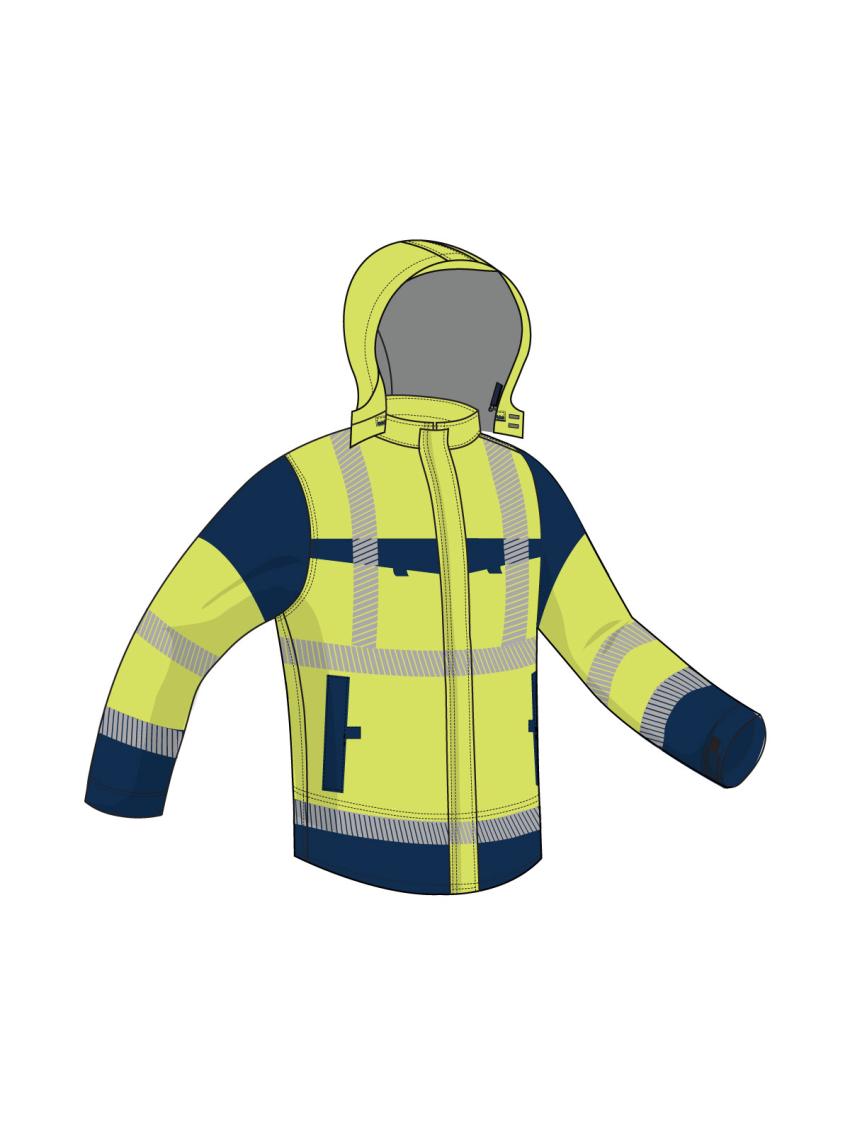
13. Reflective Elements for Safety
For commuters, cyclists, and runners, visibility during rainy weather is critical.
Reflective elements improve safety in low-light conditions and help others see you during storms or nighttime travel.
Common reflective features include:
- Reflective logos
- Sleeve strips
- High-visibility accents
This feature is particularly important for urban use and road safety.
14. Sustainability and Eco-Friendly Materials
Sustainability has become increasingly important in the apparel industry. Many consumers now seek environmentally responsible rain protection clothing.
Eco-Friendly Innovations
Modern sustainable rainwear may include:
- Recycled fabrics
- PFC-free waterproof coatings
- Sustainable manufacturing processes
- Bluesign-certified materials
These options reduce environmental impact while maintaining strong weather protection performance.
15. Ease of Maintenance
Proper care extends the lifespan of rain protection clothing.
Easy-Care Features
Look for garments that:
- Are machine washable
- Allow DWR reapplication
- Resist odor buildup
- Dry quickly
Following manufacturer care instructions helps preserve waterproof performance over time.
How to Choose the Right Rain Protection Clothing
The best rainwear depends on your specific needs and activities.
For Daily Commuting
Choose lightweight, stylish, and breathable jackets with moderate waterproof ratings.
For Hiking and Outdoor Sports
Prioritize high waterproof ratings, breathability, durability, and ventilation.
For Travel
Focus on packability, lightweight construction, and versatile layering compatibility.
For Extreme Weather
Invest in premium fully waterproof gear with sealed seams and durable 3-layer construction.
Final Thoughts
Rain protection clothing is more than just a waterproof jacket. The best garments combine waterproofing, breathability, durability, comfort, and functionality to keep you protected in changing weather conditions.
When shopping for rainwear, pay close attention to features such as waterproof ratings, seam sealing, breathable fabrics, hood design, and fit. Understanding these details can help you choose clothing that performs reliably and lasts for years.
Whether you are an outdoor enthusiast, commuter, traveler, or casual user, investing in quality rain protection clothing ensures that rainy days never disrupt your comfort or plans again.