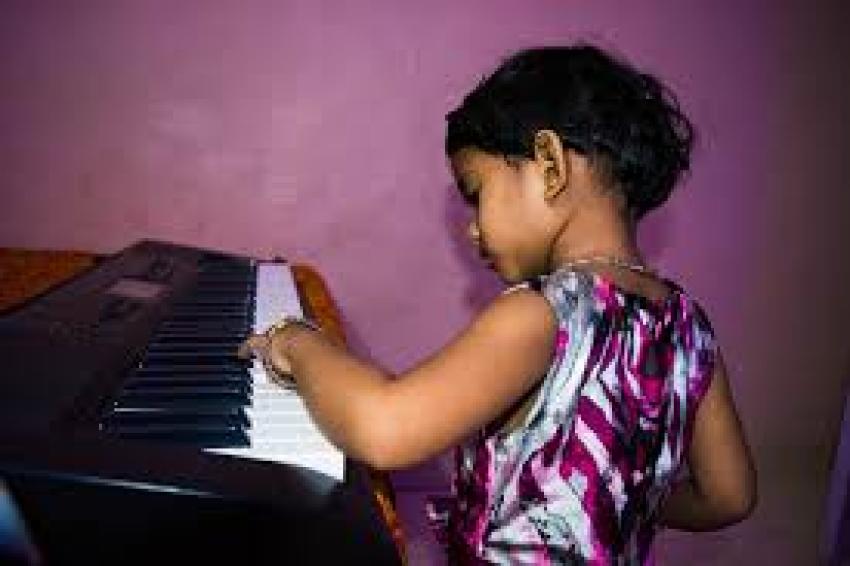
When a child starts learning piano, the first few lessons often decide whether they will enjoy the journey or slowly lose interest. Many parents think that structured and advanced lessons will help children learn faster. However, in real teaching situations, a simple and easy approach works far better for young children.
Over the years, many piano teachers have noticed that children respond best when learning feels natural, not complicated. The goal in the beginning is not perfection, but comfort and curiosity. It is good to choose easy piano lessons for kids that follow a simple and beginner-friendly approach. In this article, let's understand why simple and easy piano lessons are the key when it comes to teaching piano to kids.
Children Understand Better When Learning Is Simple
Young children are still developing their ability to focus and process new information. If too many concepts are introduced at once, they can feel confused or distracted.
In easy piano lessons for kids, children are introduced to:
A few notes at a time
Easy hand movements
Short and familiar tunes
This step-by-step method allows them to understand without feeling overwhelmed. When things are clear and manageable, children tend to stay more involved in the lesson.
Early Success Builds Confidence
One of the most important parts of learning for a child is feeling capable. If a child struggles too much in the beginning, they may quickly assume that the piano is difficult.
On the other hand, when lessons are simple, children can:
Play a small tune within a few classes
Recognize patterns easily
Repeat what they’ve learned with confidence
Even a small achievement, like playing a short melody, brings a sense of pride. This confidence encourages them to keep learning.
Learning Feels Like Play, Not Pressure
Children naturally learn better through play. When piano lessons feel too serious or strict, they can start to feel like a task rather than an enjoyable activity.
Simple lessons often include:
Fun and familiar songs
Light rhythm exercises
Interactive activities
In many cases, children don’t even realize they are “learning” — they simply enjoy the process. This makes a big difference in long-term interest.
Practice Becomes Easier at Home
Parents often struggle to get their children to practice regularly. One common reason is that the lessons feel too difficult to repeat at home.
With a simple approach:
Practice sessions are shorter
Children can remember what to do
There is less frustration
Even 10–15 minutes of easy, consistent practice can lead to steady progress.
Supports Natural Learning Pace
Every child learns differently. Some pick up concepts quickly, while others need more time and repetition.
Simple piano lessons allow children to:
Learn at their own speed
Strengthen basics before moving forward
Feel comfortable asking questions
This creates a strong foundation, which becomes very helpful as they progress to more advanced levels later.
Reduces Fear of Mistakes
Children can easily become discouraged if they feel they are doing something wrong. When lessons are too advanced, they may hesitate to try at all.
A simple learning environment helps children:
Feel relaxed during lessons
Try without fear
Understand that mistakes are part of learning
This positive mindset keeps them open to improving.
Builds Long-Term Interest in Music
The early stage of learning piano is not just about skills — it’s about building interest. If children enjoy their first experience, they are more likely to continue.
Simple lessons help:
Create a positive connection with music
Keep motivation high
Turn learning into a habit
For parents exploring easy piano lessons for kids in Singapore, choosing a teaching approach that focuses on simplicity can make a noticeable difference in how a child responds to learning.
Conclusion
Simple piano lessons are not about slowing down progress. In fact, they often lead to better and more consistent results for young children. By focusing on clarity, enjoyment, and gradual learning, children feel more confident and stay engaged. In the long run, it is this positive and stress-free start that helps children develop both skill and a genuine love for music.