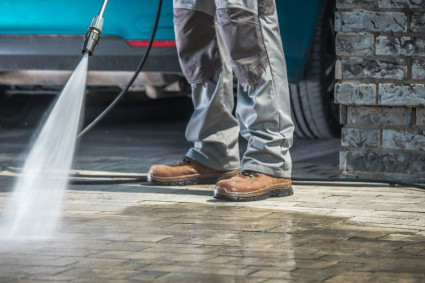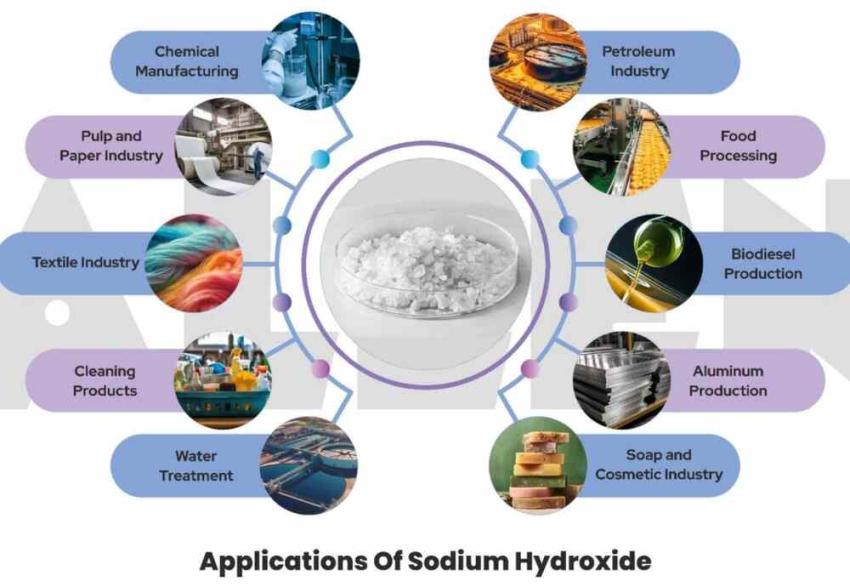
Pressure washing is one of the most effective ways to clean exterior surfaces, remove heavy grime, and restore the appearance of buildings and homes. While water pressure does much of the visible work, the real cleaning power often comes from the chemical solutions used alongside it. One of the most widely used ingredients in professional pressure washing products is sodium hydroxide.
Also known as caustic soda or lye, sodium hydroxide is a highly alkaline compound that breaks down stubborn organic matter, grease, oils, mold, mildew, and accumulated dirt. In pressure washing applications, it helps contractors and maintenance teams clean faster and more effectively than water alone.
For both residential and commercial properties, understanding how sodium hydroxide works can help property owners choose the right cleaning products while protecting surfaces such as siding, concrete, decking, and even specialty materials like a Panel Door.
What Is Sodium Hydroxide?
Sodium hydroxide is a strong base with a high pH, typically around 13 to 14 when dissolved in water. This extreme alkalinity makes it highly reactive against organic substances.
In pressure washing detergents, sodium hydroxide is valued for its ability to:
- Dissolve grease and oil buildup
- Break apart protein-based stains
- Remove mildew, algae, and mold
- Lift dirt embedded in porous materials
- Strip oxidation from some surfaces
When applied correctly through a pressure washing system, sodium hydroxide softens and loosens contaminants so they can be rinsed away more easily.
This makes it especially useful for cleaning driveways, sidewalks, brick, vinyl siding, roofs, gutters, and heavily soiled exterior walls.
How Sodium Hydroxide Works During Pressure Washing
The cleaning mechanism behind sodium hydroxide is based on chemical breakdown.
When sodium hydroxide comes into contact with oils, fats, or organic buildup, it triggers a process called saponification. In simple terms, it converts greasy substances into soap-like compounds that dissolve in water.
This is why sodium hydroxide is particularly effective for surfaces exposed to:
- Vehicle exhaust residue
- Cooking grease near outdoor kitchens
- Air pollution deposits
- Mold and algae growth
- Tree sap and organic debris
For example, a commercial building exposed to years of pollution may develop dark streaks and oily residue. A pressure washing detergent containing sodium hydroxide penetrates these contaminants, breaks their chemical bonds, and allows the pressure washer to rinse them away with less effort.
Without chemical support, many of these stains would require excessive pressure, which can damage surfaces.
Benefits of Using Sodium Hydroxide in Pressure Washing Products
Superior Cleaning Power
The primary benefit of sodium hydroxide is strength. It handles contamination that mild soaps simply cannot remove.
Professional contractors often rely on sodium hydroxide-based products for restoration projects involving:
- Concrete cleaning
- Graffiti preparation
- Heavy grease removal
Mold remediation
Its effectiveness reduces cleaning time while improving results.
Reduced Pressure Requirements
Using the right detergent means less dependence on extremely high pressure.
This matters when cleaning delicate surfaces such as:
- Painted wood
- Composite materials
- Decorative trim
- A Panel Door with coated finishes
Excessive pressure can strip paint, dent materials, or force water into unwanted areas. Sodium hydroxide allows operators to use lower pressure while maintaining cleaning performance.
Cost Efficiency
Because sodium hydroxide is highly concentrated and efficient, many commercial cleaning formulas require only small amounts to produce strong results.
This makes it a cost-effective ingredient for contractors managing large-scale projects.
Applications Around Homes and Buildings
Sodium hydroxide is used across a wide range of exterior cleaning tasks.
Residential Applications
For homeowners, sodium hydroxide solutions are commonly used to clean:
- Driveways stained with oil or tire marks
- Patio surfaces with mildew buildup
- Fences with algae growth
- Garage doors and exterior trim
Entry features including a Panel Door exposed to weathering
Homes in humid climates especially benefit from sodium hydroxide-based washing solutions because they effectively target mold and mildew.
Commercial Building Applications
Commercial properties face heavier environmental contamination.
Pressure washing teams often use sodium hydroxide to maintain:
- Storefronts
- Parking garages
- Loading docks
- Warehouse exteriors
- Apartment complexes
- Office buildings
In these settings, sodium hydroxide helps preserve curb appeal and supports long-term maintenance strategies.
Surface Compatibility and Safety Considerations
While sodium hydroxide is powerful, it must be handled carefully.
Its high alkalinity can damage certain materials if misused.
Avoid or use caution when cleaning:
- Aluminum surfaces
- Glass without proper dilution
- Natural stone sensitive to high pH
- Certain painted finishes
For decorative architectural elements or specialty materials such as a premium Panel Door, testing in a small hidden area is always recommended.
Professional products are often formulated with stabilizers, surfactants, and dilution guidelines to reduce risk while maximizing performance.
Personal Safety
Operators should always use:
- Chemical-resistant gloves
- Eye protection
- Protective clothing
- Proper dilution equipment
Sodium hydroxide can cause skin irritation or burns with direct exposure.
Proper training and product knowledge are essential for safe application.
Choosing the Right Pressure Washing Products
Not all sodium hydroxide cleaners are the same.
Quality products combine sodium hydroxide with complementary ingredients that improve cling, rinsing, and surface compatibility.
When selecting a cleaning product, look for:
- Clear dilution ratios
- Surface recommendations
- Professional-grade surfactants
- Environmental compliance where required
For contractors and property managers, choosing a trusted supplier ensures consistent cleaning results and safer handling.
Products designed specifically for building exteriors and home maintenance typically offer the best balance between cleaning strength and material protection.
Final Thoughts
Sodium hydroxide remains one of the most effective ingredients in professional pressure washing applications. Its ability to break down grease, organic matter, and stubborn buildup makes it essential for maintaining both residential and commercial properties.
From restoring stained concrete to safely cleaning exterior siding and preserving features like a Panel Door, sodium hydroxide-based products help deliver deeper cleaning with less mechanical force.
Used correctly, it improves efficiency, reduces labor, and extends the appearance and lifespan of exterior surfaces.
For building owners, contractors, and homeowners looking for reliable cleaning performance, understanding the role of sodium hydroxide is the first step toward smarter maintenance decisions.
Article published: https://www.gstarboard.com