Introduction
The United Arab Emirates has established itself as a leading destination for foreign investment. Its strong infrastructure, strategic location, and investor friendly policies attract businesses from across the world. Despite these advantages, entering the UAE market presents several legal and operational challenges for foreign investors.
Understanding these challenges is essential for successful market entry. Investors must navigate regulatory frameworks, licensing procedures, cultural expectations, and compliance requirements. A well informed approach supported by legal expertise helps businesses reduce risks and establish a stable presence in the UAE.
Understanding the Legal Framework
Foreign investors often face initial challenges in understanding the UAE legal system. The regulatory framework combines federal laws with emirate level regulations, creating a layered legal structure. Each emirate may have its own procedures and requirements for business operations.
Investors must identify the appropriate jurisdiction for their business activity. Mainland, free zone, and offshore structures each have distinct legal implications. Choosing the wrong structure can limit operational flexibility or increase regulatory complexity.
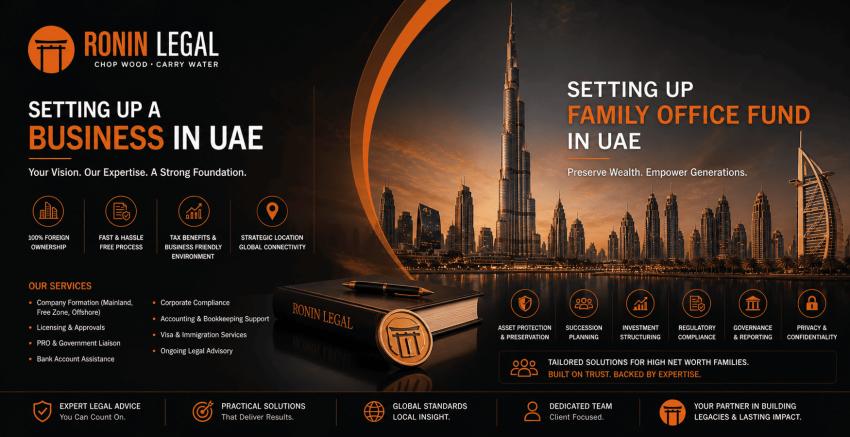
The process of setting up a business in UAE requires careful evaluation of these legal frameworks. Legal advisors play a crucial role in guiding investors through regulatory requirements and ensuring compliance from the outset.
Licensing and Regulatory Approvals
Obtaining the correct licence is one of the most critical steps in market entry. Each business activity requires approval from the relevant authority, and licensing procedures can vary depending on the sector and jurisdiction.
Foreign investors must prepare detailed documentation, including business plans, shareholder information, and operational details. Authorities may conduct reviews to ensure compliance with regulatory standards.
Delays in licensing often arise from incomplete documentation or misunderstanding of requirements. Legal support ensures applications are accurate and aligned with regulatory expectations, reducing the risk of delays.
Navigating Ownership Regulations
Although the UAE has introduced reforms allowing full foreign ownership in many sectors, certain activities still require compliance with specific ownership rules. Investors must understand which sectors permit full ownership and which require local participation.
Ownership regulations may also vary between mainland and free zone jurisdictions. This adds another layer of complexity for foreign investors entering the market.
Legal advisors assist in structuring businesses to comply with ownership laws while protecting investor interests. Proper structuring ensures operational flexibility and regulatory compliance.
Cultural and Commercial Differences
Cultural understanding is an often overlooked challenge for foreign investors. The UAE is a diverse and international market, yet local customs and business practices play an important role in commercial relationships.
Negotiations, partnerships, and communication styles may differ from those in other regions. Investors must adapt to local business etiquette to build trust and establish strong relationships.
Understanding cultural expectations enhances credibility and supports long term success in the UAE market.
Financial Planning and Investment Structures
Foreign investors must carefully plan their financial strategies when entering the UAE market. This includes understanding capital requirements, operational costs, and regulatory obligations related to financial management.
Advanced financial arrangements, such as setting up family office fund in UAE, are increasingly used by investors seeking structured wealth management solutions. These arrangements involve complex regulatory requirements and require careful legal planning.
Legal and financial advisors assist investors in establishing compliant financial structures while ensuring transparency and regulatory alignment.
Compliance and Ongoing Obligations
Compliance is a continuous requirement for businesses operating in the UAE. Investors must adhere to corporate governance standards, financial reporting obligations, and regulatory requirements throughout the lifecycle of the business.
Foreign investors often underestimate the importance of ongoing compliance. Regulatory authorities conduct inspections and audits to ensure businesses operate within legal frameworks.
Failure to comply with regulations can result in penalties, licence suspension, or reputational damage. Legal advisors provide ongoing support to ensure compliance is maintained at all stages of business operations.
Employment and Workforce Regulations
Hiring employees in the UAE involves compliance with labour laws and visa regulations. Foreign investors must understand employment contracts, employee rights, and sponsorship requirements.
Workforce management includes responsibilities such as issuing visas, providing benefits, and ensuring workplace policies comply with legal standards. Mismanagement of employment obligations can lead to disputes and legal challenges.
Legal guidance ensures businesses comply with labour laws and maintain a stable working environment.
Data Protection and Digital Compliance
With increasing reliance on digital systems, data protection has become a key concern for businesses. Companies must comply with regulations governing the handling of personal and commercial data.
Foreign investors must implement policies to protect sensitive information and ensure secure data management practices. Failure to comply with data protection laws can result in legal consequences and loss of trust.
Legal advisors assist in developing compliance frameworks for data protection and digital operations.
Market Competition and Positioning
The UAE market is highly competitive, with established local and international businesses operating across various sectors. Foreign investors must develop strong market entry strategies to compete effectively.
Understanding consumer behaviour, pricing strategies, and industry trends is essential for success. Investors must also ensure compliance with advertising and commercial regulations.
Legal support helps businesses protect intellectual property and ensure marketing practices comply with local laws.
Importance of Legal Strategy
A comprehensive legal strategy is essential for overcoming market entry challenges. Foreign investors must approach the UAE market with a clear understanding of regulatory requirements and compliance obligations.
Legal advisors provide guidance on company formation, licensing, contract drafting, and dispute resolution. Their expertise helps investors navigate complex legal frameworks and avoid common pitfalls.
Ongoing legal support ensures businesses remain compliant and adaptable to regulatory changes.
Conclusion
The UAE offers significant opportunities for foreign investors, supported by strong economic policies and a business friendly environment. However, market entry involves navigating a range of legal, regulatory, and operational challenges.
From licensing and ownership regulations to compliance and cultural considerations, investors must adopt a structured approach to entering the UAE market. Professional legal guidance plays a critical role in ensuring compliance and supporting successful business establishment.
Experienced legal advisors such as RONIN LEGAL provide strategic support to foreign investors, helping them overcome challenges and establish a strong presence within the UAE market.