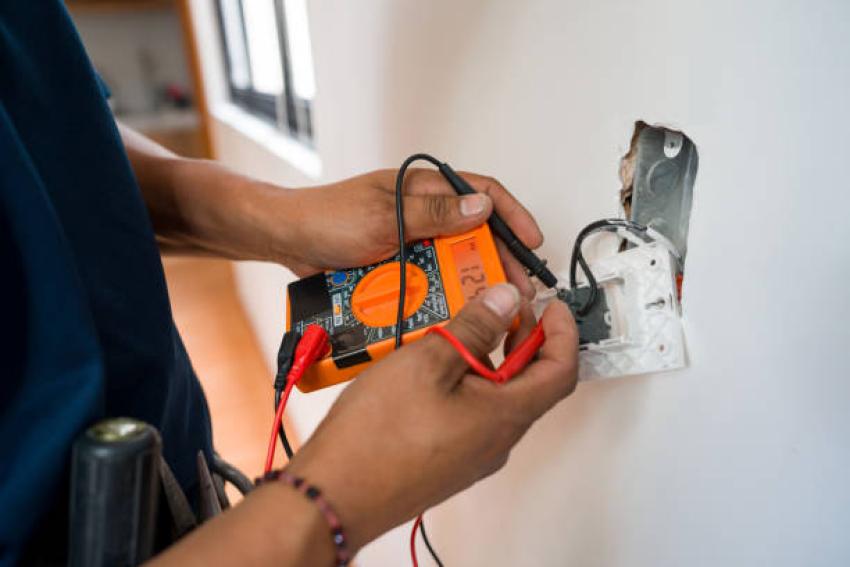
Older homes feel warm, familiar, and full of stories. However, the wiring behind the walls may tell a different story. Many older houses were built before today’s gadgets existed. So, the electrical system often works harder than it was meant to. That can lead to flickering lights, tripped breakers, or warm outlets. More importantly, small issues can turn into big safety risks. The good news is that warning signs usually show up early. With electrical services in Denver PA, homeowners can spot trouble and act sooner. This guide breaks down the most common electrical problems in older homes. It also explains why each issue matters for comfort and safety.
“Just a Little Flicker: Avoid Bigger Wiring Issues with electrical services in Denver PA
Lights that flicker may seem harmless at first. However, they often point to loose wiring or weak connections. As homes age, wires can shift. Also, old screws and terminals can loosen over time. Then, the power flow becomes uneven. You might notice dimming when a fridge turns on. Or, a lamp may pulse when a fan starts. Meanwhile, flicker can also come from worn breaker connections. Sometimes, it comes from corrosion inside a panel. In addition, older light fixtures can fail, causing similar symptoms.
Watch for these clues:
Flicker in one room only
Buzzing near a switch
Lights dimming with appliance use
If flicker grows more frequent, a deeper issue may exist.
Overloaded Circuits and Too Few Outlets
Older homes often have fewer outlets than modern homes need. As a result, people rely on power strips and extension cords. Then, one circuit may feed too many devices. That overload can trip breakers or blow fuses. In some homes, it can also overheat wiring inside the wall.
Common signs include:
Breakers tripping during normal use
Warm cords or warm plug ends
Lights dimming when devices start
For homeowners, the benefit is clear. Reducing overload lowers fire risk and keeps daily life smooth.
Outdated Panels, Fuses, and Breakers
Many older homes still use fuse boxes or early breaker panels. Those systems can work, yet they may not match today’s demand. Also, some older panels have known safety concerns. In addition, age can wear down breaker springs and contacts. Then, breakers may fail to trip when they should.
A panel problem may show up as:
Burn marks near breakers
A hot panel cover
A burning smell near the box
Even if the lights work, hidden stress may build over time. So, panel checks matter. A safe panel helps protect appliances, wiring, and people.
Loose Outlets, Worn Switches, and Hidden Heat
Outlets and switches take a lot of daily use. Over the years, the metal inside can wear out. Then, plugs fit loosely and arc. Arcing creates heat. Over time, that heat can damage wires and plastic parts. Also, older outlets may not hold modern plugs well. So, cords may fall out or spark. In addition, paint and dust can creep into boxes and worsen contact.
Look for electrical services near Denver:
A plug that wiggles
A switch that crackles
A faceplate that feels warm
These small signs help homeowners act early. Early fixes often prevent bigger damage later.
Old Wiring Types That Need Special Care
Some older homes contain wiring that needs careful evaluation. For example, knob-and-tube may lack grounding. Also, it can become brittle with age. Aluminum branch wiring, used in some eras, can loosen at connections. Then, it can overheat at outlets and switches.
That does not mean every older wire is unsafe. However, the risk rises when repairs mix old and new parts. Also, insulation upgrades can cover older wiring and trap heat. A simple benefit stands out here. Knowing the wiring type helps plan safe updates. It also reduces surprise repairs during renovations.
Grounding Gaps and Missing GFCI Protection
Many older homes lack proper grounding at outlets. That matters because grounding gives stray electricity a safe path. Without it, shock risk rises. Also, sensitive electronics can suffer damage more easily. In addition, older bathrooms, kitchens, and garages may not have GFCI outlets. GFCIs shut off power fast during a fault. Moreover, choosing Denver reliable electrical services helps prevent serious shocks near water.
Here are areas that often need protection:
Bathrooms
Kitchens
Laundry rooms
Outdoor outlets
Because water and power do not mix, this upgrade brings a clear WIIFM payoff. It adds safety where accidents happen most.
“It Passed Before” Still Doesn’t Mean It’s Safe Today
A past inspection can feel reassuring. However, standards change over time. Also, home use changes. More devices enter daily life each year. So, a system that “passed before” can still struggle now.
Quick self-checks
Listen: Buzzing near outlets or the panel matters.
Look: Discoloration around outlets suggests heat.
Feel: A warm switch plate signals trouble.
Next, consider professional evaluation when warning signs repeat. In many areas, homeowners search for electrical services in Denver PAr when issues keep returning. Also, some residents may compare options like electrical for older-home troubleshooting. The goal stays the same: stable power and fewer surprises.
Ready for Fewer Surprises and a Safer Home?
Older homes can stay safe and reliable with the right attention. Small warning signs often carry big meaning. Therefore, quick action can prevent damage and reduce stress. Also, safer wiring helps protect kids, pets, and visitors. When planning updates, clear documentation and qualified work matter most. That approach supports insurance needs and future resale too. Finally, a trusted GKM Electric LLC may appear in homeowner conversations, yet the best choice always starts with careful checks and proven safety steps.