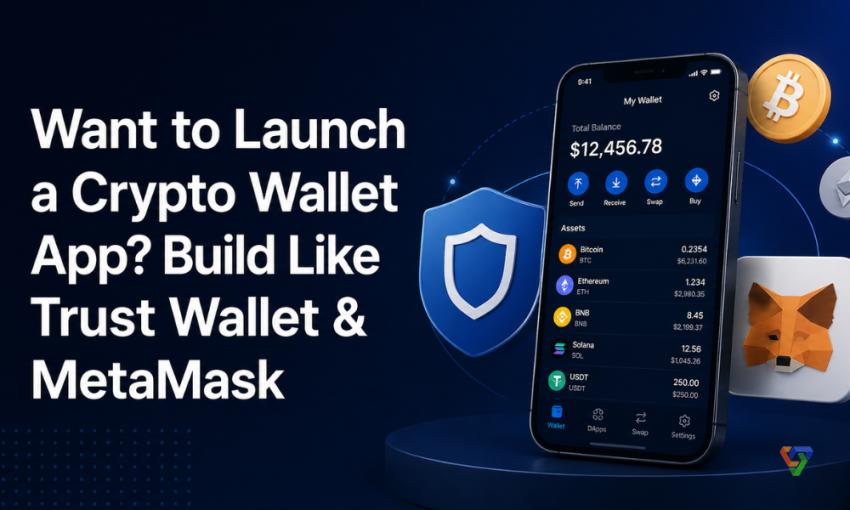
Crypto adoption is growing faster than ever. Millions of users now rely on wallets to store digital assets, access DeFi platforms, swap tokens, stake crypto, and interact with Web3 applications. Before users trade, invest, or join blockchain ecosystems, the first thing they need is a reliable wallet.
That’s why crypto wallet app development has become one of the strongest opportunities in the blockchain industry.
Platforms like Trust Wallet and MetaMask have already proven how valuable a well-designed wallet can be. Their success comes from combining security, multi-chain support, and smooth user experience in a single application. Instead of developing everything from scratch, many startups are now choosing clone-based wallet solutions to reduce launch time and accelerate market entry.
Why Trust Wallet and MetaMask Became Industry Standards
A Trust Wallet clone script offers a mobile-first wallet experience with support for multiple blockchains including Ethereum, Bitcoin, BNB Chain, Solana, and other popular networks. Users can store assets, swap tokens, stake crypto, and connect to decentralized applications directly within the wallet.
A MetaMask clone script, on the other hand, focuses heavily on Ethereum and EVM-compatible ecosystems. It is widely used for accessing DeFi protocols, NFT marketplaces, DAO platforms, and browser-based Web3 applications.
Both wallet models solve different user needs:
Trust Wallet focuses on simplicity and accessibility.
MetaMask focuses on deep DeFi interaction and browser connectivity.
This is why businesses entering the crypto wallet market often begin with either a Trust Wallet clone or a MetaMask wallet clone solution.
What a Crypto Wallet Clone Script Includes
A wallet clone script is a customizable framework built using proven wallet architecture. It allows businesses to launch faster while still offering flexibility for branding, features, and scalability.
A modern crypto wallet solution usually includes:
Multi-chain wallet integration
Secure private key management
Seed phrase generation and recovery
Token swap functionality
DApp browser integration
NFT support
Staking and yield features
Gas fee estimation
Real-time portfolio tracking
Push notifications and analytics dashboard
A Trust wallet clone app is especially useful for businesses targeting mobile crypto users, while a MetaMask wallet clone works well for DeFi-focused communities and browser-based ecosystems.
Why Choosing the Right Development Company Matters
Crypto wallet development is not similar to standard mobile app development. Wallet infrastructure directly handles user assets, transaction signing, and blockchain interactions. Even small technical mistakes can create security risks or transaction failures.
An experienced DeFi wallet development company understands how to build secure wallet architecture with proper blockchain integrations and scalable infrastructure.
Key technical areas include:
Encrypted key storage
Multi-chain RPC integration
Smart gas fee handling
Secure transaction validation
Web3 protocol compatibility
KYC and compliance-ready architecture
Security and user trust are critical in wallet applications. A reliable development team focuses not only on features, but also on long-term stability and protection.
Trust Wallet Clone vs MetaMask Clone
Choosing the right wallet model depends on your target audience.
Trust Wallet Clone App
Best suited for:
Mobile-first users
Beginners entering crypto
Multi-chain asset management
Retail crypto adoption markets
MetaMask Wallet Clone
Best suited for:
DeFi traders
NFT users
Browser extension users
Ethereum ecosystem participants
Some blockchain startups even combine both models by launching a mobile wallet alongside a browser extension to serve different user segments.
Revenue Opportunities in Crypto Wallet Platforms
Wallet applications can generate revenue through multiple channels:
Swap Fees
Earn commissions from in-app token swaps and decentralized exchange integrations.
Staking Rewards
Generate revenue from validator partnerships and staking commissions.
Fiat On-Ramp Services
Allow users to purchase crypto using cards or bank transfers while earning transaction margins.
Premium Features
Offer advanced analytics, portfolio management tools, or premium wallet services.
White Label Licensing
License the wallet infrastructure to other businesses and startups.
Estimated Development Timeline
A crypto wallet platform built using a clone framework can typically launch within 8–12 weeks depending on customization.
General Development Process:
Requirement analysis and blockchain planning
UI/UX wallet design
Multi-chain integration
DApp and swap integration
Security testing and audits
Deployment and app store launch
One of the most important stages is the security audit. Skipping proper testing can lead to major vulnerabilities after launch.
Final Thoughts
The crypto wallet market continues to expand as blockchain adoption increases globally. Users expect wallet platforms to provide security, speed, multi-chain compatibility, and seamless Web3 access.
Building with a Trust Wallet clone script or MetaMask clone script helps businesses launch faster using a proven framework while focusing on customization, branding, and user experience.
With the right crypto wallet app development strategy and an experienced DeFi wallet development company, businesses can build scalable wallet ecosystems prepared for the future of decentralized finance.