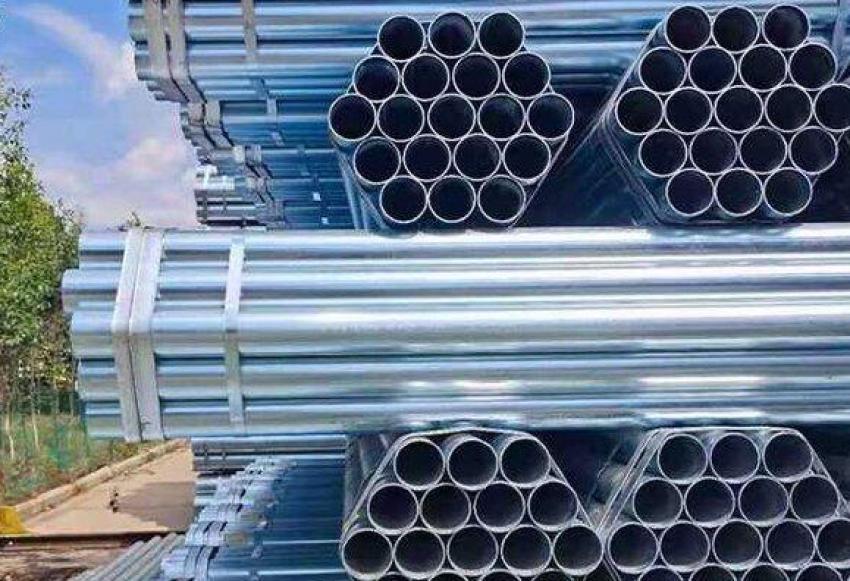
Seamless steel tubes can be galvanized, but it's not mandatory. Galvanizing is a surface anti-corrosion process that forms a zinc layer on the steel pipe surface to isolate it from corrosive media, extending its service life. Whether seamless steel tubes need galvanizing depends on the application and environmental requirements. Corrosive environments or specific regulations (such as fire protection and water supply) usually require galvanizing, while dry indoor environments do not require it.
When is galvanizing necessary or strongly recommended?
When seamless tubes are exposed to humid, corrosive environments or are exposed to the outdoors for extended periods, galvanizing is a necessary anti-corrosion measure. Specifically, this includes:
1. Outdoor or Humid Environment Applications
Municipal Engineering: Urban water supply and drainage pipelines, gas transmission pipelines, streetlights, traffic sign poles, and other outdoor facilities;
Building Structures: Scaffolding, steel structure supports, outdoor railings, roof drainage pipes;
Agricultural Facilities: Greenhouse frames, farmland irrigation pipelines, livestock enclosures (long-term exposure to wind, rain, and soil);
2. Corrosive Conditions in Industrial Sector
Auxiliary pipelines in chemical and mining industries, where acidic or alkaline gases and moisture in the environment accelerate the corrosion of ordinary carbon steel;
Industrial water and gas transmission pipelines (non-strong corrosive media), galvanizing can be an economical and effective corrosion protection solution.
3. Fire Protection System Pipelines
Fire protection pipelines typically require galvanized inner and outer walls for corrosion protection to ensure long-term reliability.
4. Plumbing and Gas Pipelines
Pipelines transporting domestic water and heating water (must meet drinking water standards); Some low-pressure gas transmission pipelines.
5. Applications requiring high service life
Hot-dip galvanized round pipes can have a service life 3-5 times longer than ordinary ungalvanized round pipes. The zinc coating acts as a sacrificial anode, effectively protecting the steel substrate from corrosion.
When can galvanizing be omitted?
● Dry indoor environments, such as ordinary structural supports, equipment brackets, and non-water-related pipelines in home renovations, where there is no risk of moisture or corrosion.
● Transporting non-corrosive media in dry environments, such as ordinary industrial gas pipelines, lubricating oil, and hydraulic oil pipelines (oils themselves have rust-preventing properties).
● Pipes already equipped with other anti-corrosion measures, such as those coated with polyethylene, epoxy resin, or other plastic coatings.
● High-temperature and high-pressure conditions. The zinc coating may become brittle at high temperatures, making it unsuitable for harsh environments with high temperatures and pressures.
● Strong corrosive media such as strong acids and alkalis.
● Temporary or short-term projects.
Galvanizing method selection: Hot-dip galvanizing vs. Cold galvanizing
If galvanizing is determined to be necessary, a suitable galvanizing process must be selected. For most seamless steel tubes requiring corrosion protection, hot-dip galvanizing is the preferred choice due to its thick coating, strong adhesion, and long service life. Cold galvanizing, also known as electro-galvanizing, offers moderate corrosion protection but is suitable for indoor, dry, and decorative applications, and is less expensive.
Alternatives to galvanizing:
Besides galvanizing, other protective methods are available. For example, applying a special coating is like applying sunscreen to a steel pipe, effectively isolating it from corrosive media; or using cathodic protection technology is like equipping the steel pipe with an "anti-corrosion bodyguard," actively inhibiting corrosion through electrochemical means. In addition, there are epoxy resin coatings, 3PE coatings, plastic lining treatments, and other solutions, as well as directly replacing it with corrosion-resistant materials such as stainless steel or weathering steel.