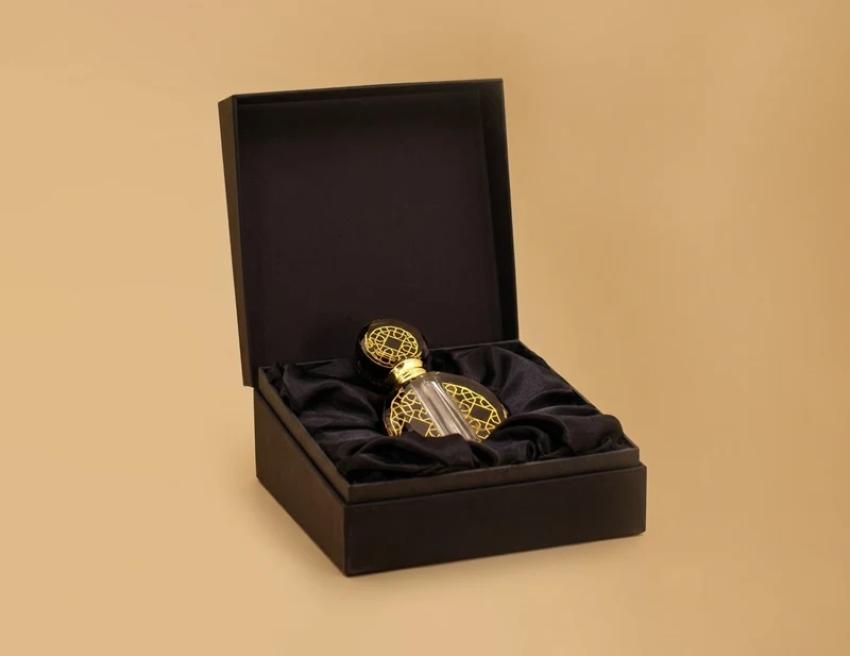
If you have ever picked up a beautifully crafted box with hinged lid and wondered what goes into making it, you are not alone. These functional yet elegant storage solutions are found everywhere from jewelry boxes on dressers to premium product packaging on retail shelves. Behind every well-made box with hinged lid is a careful process of material selection, thoughtful design, and precise construction.
What Is a Box with Hinged Lid?
A box with hinged lid is a container where the lid is permanently attached to the base through a hinge mechanism rather than being completely separate. This allows the lid to open and close repeatedly without being lost or misplaced. It is widely used across industries including jewelry, cosmetics, food packaging, woodworking crafts, and home organization.
Common Materials Used
The material chosen for a box with hinged lid affects its durability, weight, appearance, and cost. Wood is the most traditional choice, with hardwoods like oak, walnut, and maple used for premium boxes. Plastic is lightweight and water-resistant, making it ideal for mass-produced boxes used in tool storage and food containers. Metal including aluminum, tin, and steel offers durability and a premium feel, perfect for tea storage and gift packaging. Cardboard and paperboard are cost-effective options widely used in retail packaging, while acrylic and glass are chosen for high-end display boxes where visibility matters.
The Design Process
Before any material is cut or molded, designers create detailed plans covering dimensions, wall thickness, lid depth, and hinge placement. Even a small measurement error can cause the lid to fit poorly. Modern CAD software allows manufacturers to build precise digital prototypes before physical production begins, saving time and reducing material waste.
Construction and Assembly
Construction methods vary by material. Wooden boxes are cut, sanded, and assembled with metal hinges screwed along the back edge. Plastic boxes are injection molded with a built-in living hinge formed as part of the mold itself. Metal boxes are stamped, bent, and welded with riveted hinges for long-term strength. Cardboard boxes are die-cut, folded, and glued with a simple scored fold line serving as the hinge.
Finishing Touches
After construction, most boxes go through a finishing stage. Wooden boxes may be stained, painted, or lacquered. Metal boxes are often powder-coated or printed with designs. Plastic boxes can be painted or wrapped in decorative film. Interior lining using velvet, foam, or fabric is added to boxes intended for jewelry or fragile items.
These finishing touches are what transform a simple container into a polished, market-ready product.