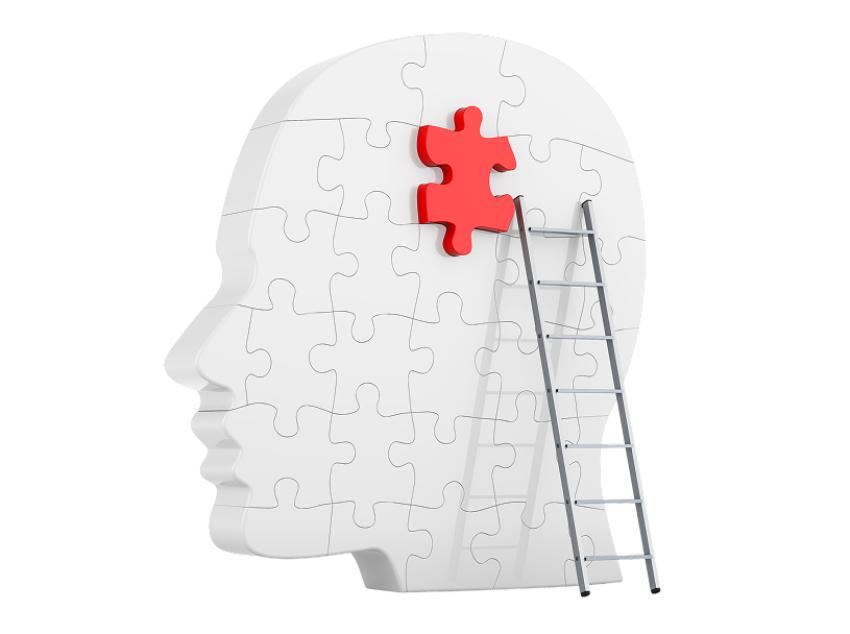
The debate between IQ and emotional intelligence has gained significant attention in recent years. People often wonder which type of intelligence plays a bigger role in success, relationships, and overall well being. To explore this question, it is important to understand both concepts, how they differ, and how they interact in everyday life. It also helps to start with a basic question many still ask: what does iq stand for
IQ stands for Intelligence Quotient. It is a measure of cognitive abilities such as reasoning, problem solving, memory, and analytical thinking. Emotional intelligence, often referred to as EQ, focuses on understanding and managing emotions, both in oneself and in others. While IQ has long been considered the primary indicator of intelligence, emotional intelligence has emerged as an equally important factor in determining real life outcomes.
Understanding IQ and Its Role
IQ tests are designed to measure specific mental abilities. These include logical reasoning, pattern recognition, mathematical skills, and language comprehension. A high IQ is often associated with academic success and the ability to learn complex concepts quickly.
In professional settings, IQ can be particularly valuable in fields that require technical expertise or analytical thinking. Engineers, scientists, and researchers often rely heavily on cognitive skills measured by IQ tests. These abilities allow individuals to process information efficiently, solve problems, and make data driven decisions.
However, IQ does not capture the full range of human intelligence. It focuses on how people think rather than how they feel or interact with others. This limitation becomes more apparent in real world situations where social dynamics and emotional awareness play a critical role.
What Is Emotional Intelligence
Emotional intelligence refers to the ability to recognize, understand, and manage emotions. It includes several key components: self awareness, self regulation, motivation, empathy, and social skills.
Self awareness involves recognizing one’s own emotions and understanding how they affect behavior. Self regulation is the ability to control impulses and respond to situations in a balanced way. Motivation relates to internal drive and persistence. Empathy is the capacity to understand the emotions of others, and social skills involve effective communication and relationship building.
These abilities are essential in everyday life. They influence how people handle stress, resolve conflicts, and build meaningful connections. Unlike IQ, which is often seen as relatively stable, emotional intelligence can be developed and improved over time.
IQ vs Emotional Intelligence in the Workplace
In the workplace, both IQ and emotional intelligence play important roles, but their impact can differ depending on the situation. IQ may help someone get hired, especially for roles that require technical knowledge or problem solving skills. However, emotional intelligence often determines how well a person performs and advances within an organization.
For example, a highly intelligent employee may excel at completing tasks but struggle to work effectively in a team. Poor communication, lack of empathy, or difficulty handling feedback can limit career growth. On the other hand, someone with strong emotional intelligence can navigate social dynamics, build trust, and lead others more effectively.
Leadership is a clear example of where emotional intelligence becomes crucial. Leaders must inspire, motivate, and manage people with diverse personalities and needs. These tasks require empathy, patience, and strong interpersonal skills, which are not measured by IQ tests.
Relationships and Social Life
When it comes to personal relationships, emotional intelligence often outweighs IQ. Successful relationships depend on communication, understanding, and emotional support. Being able to listen, express feelings clearly, and respond to others with empathy is far more important than solving complex problems.
People with high emotional intelligence are generally better at managing conflicts and maintaining healthy relationships. They can recognize emotional cues, adapt their behavior, and create a sense of trust and connection. These skills contribute to stronger friendships, family bonds, and romantic partnerships.
IQ, while valuable in many contexts, does not directly influence these aspects of life. A person may be highly intelligent in a cognitive sense but struggle with emotional awareness, leading to difficulties in relationships.
Decision Making and Real World Challenges
Real life decisions are rarely based on logic alone. Emotions often play a significant role in how people evaluate situations and choose actions. Emotional intelligence helps individuals balance logic with emotional awareness, leading to more thoughtful and effective decisions.
For example, handling a stressful situation at work requires more than analytical thinking. It involves staying calm, understanding the emotions of others, and responding in a way that resolves the issue without escalating tension. Emotional intelligence provides the tools needed to navigate such challenges.
That said, IQ still plays a role in decision making. Analytical skills help people evaluate options, consider consequences, and solve problems. The most effective decisions often result from a combination of both cognitive and emotional intelligence.
Can One Compensate for the Other
A common question is whether high emotional intelligence can compensate for lower IQ, or vice versa. The answer depends on the context. In highly technical fields, a certain level of cognitive ability is necessary. Emotional intelligence alone may not be enough to perform complex tasks that require specialized knowledge.
However, in many areas of life, emotional intelligence can have a greater impact. Strong interpersonal skills, adaptability, and emotional awareness can help individuals succeed even if their IQ is average. These qualities are especially valuable in roles that involve teamwork, leadership, and communication.
On the other hand, high IQ without emotional intelligence can create challenges. Difficulty understanding others, poor communication, and lack of empathy can limit success despite strong cognitive abilities.
The Balance Between IQ and Emotional Intelligence
Rather than viewing IQ and emotional intelligence as competing factors, it is more useful to see them as complementary. Each contributes to different aspects of life, and together they provide a more complete picture of intelligence.
IQ helps individuals understand and analyze the world, while emotional intelligence helps them navigate it. Cognitive skills allow for problem solving and innovation, while emotional skills enable collaboration and connection.
Developing both types of intelligence can lead to better outcomes in various areas of life. Education systems and workplaces are increasingly recognizing the importance of emotional intelligence alongside traditional measures of ability.
The Role of Learning and Growth
One important difference between IQ and emotional intelligence is their potential for growth. While IQ is influenced by genetics and early development, emotional intelligence can be improved through practice and experience.
People can learn to become more self aware, manage their emotions more effectively, and develop stronger social skills. This makes emotional intelligence a valuable area for personal development.
Training programs, coaching, and mindfulness practices can all contribute to improving emotional intelligence. These efforts can lead to better relationships, improved mental health, and greater success in both personal and professional life.
Which Matters More in Real Life
So which matters more in real life, IQ or emotional intelligence? The answer is not entirely one sided, but emotional intelligence often has a broader impact on everyday experiences.
IQ is important for learning, problem solving, and certain types of work. It provides the foundation for understanding complex ideas and performing intellectually demanding tasks. However, emotional intelligence influences how people interact, adapt, and thrive in social environments.
In many real world situations, success depends more on how people manage relationships and emotions than on their ability to solve abstract problems. This is why emotional intelligence is often seen as the stronger predictor of long term success and happiness.
Conclusion
Understanding what does iq stand for is just the beginning of exploring human intelligence. IQ and emotional intelligence represent different but equally important aspects of how people think and behave.
While IQ measures cognitive abilities, emotional intelligence captures the skills needed to navigate social and emotional challenges. Both play valuable roles, but emotional intelligence often has a greater influence on real life outcomes.
The most effective approach is not to choose one over the other, but to develop both. By combining strong cognitive skills with emotional awareness, individuals can achieve a more balanced and fulfilling life.