Analysis of Required Documents for EAC Certification of Seamless Steel Pipes:
A key procedure for complying with the relevant market requirements for specific industrial products is obtaining an EAC Declaration of Conformity or Certificate. This procedure is not a single action, but a documented verification process based on technical specifications. As a metal product widely used in pressure systems, mechanical structures, and fluid transportation, seamless steel pipe certification documentation needs to focus on three dimensions: product technical identity, safety performance proof, and production consistency.
Starting with confirming the product's technical identity.
The manufacturer must provide high-standard technical documentation identifying the product, including detailed specifications that should list the steel pipe's material grade, chemical composition range, mechanical properties, dimensional tolerance standards, manufacturing process type, and heat treatment state. This should be accompanied by complete product drawings or diagrams, clearly indicating the geometry, end processing methods, wall thickness grade, and length requirements. If the product complies with specific international or regional standards, such as the applicable parts of EN, ISO, or ASTM series, the standard number and name must be provided. Proof of raw material origin, such as a quality certificate from the steel manufacturer, is used to trace the compliance of the underlying materials.
Verification of safety performance relies on test data.
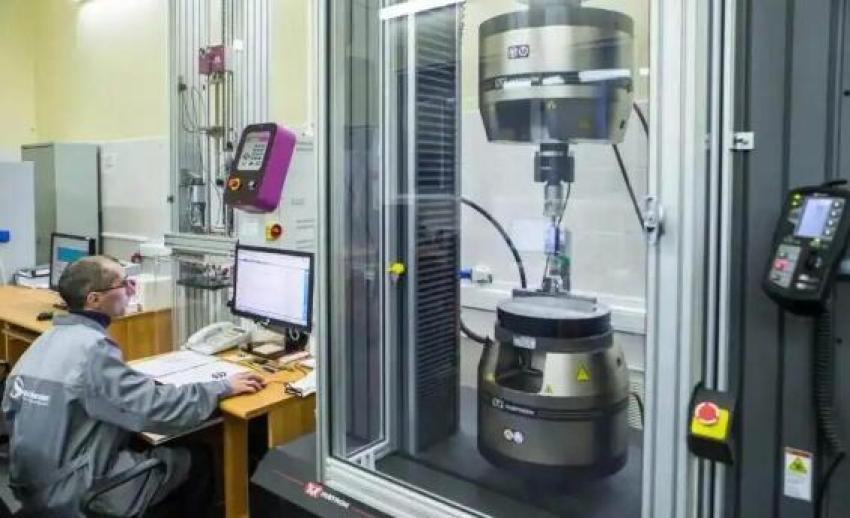
Test reports issued by qualified laboratories constitute core evidence, covering chemical composition analysis, mechanical property testing, non-destructive testing, and specific assessments for particular applications. For seamless steel pipes used in pressure applications, hydrostatic or pneumatic test data are typically required to demonstrate their integrity under specified pressures. Additional requirements such as corrosion resistance, high-temperature performance, or low-temperature impact toughness, if specified, must also be supported by corresponding test records. These reports not only present the results but also clearly define the testing method standards, instrument information, and sampling logic used.
Production system and quality control documentation is fundamental to maintaining continuous product conformity.
Applicants must articulate a comprehensive quality control plan from raw material warehousing to finished product shipment, including process inspection points, testing frequency, non-conforming product handling procedures, and final release criteria. Sections of the quality manual or procedural documents can serve as supporting evidence. For product series certification, a technical solution describing the differences and coverage of product models must be submitted. Previous batch compliance records or historical testing data can sometimes be used as supplementary references but are not mandatory.
The manufacturer's own qualification documents are equally indispensable.
Valid business registration documents, such as a business license, are used to establish the applicant's legal status. Information about the production site, including a list of major equipment and production capacity, helps in understanding production conditions. If certification is handled by an agency, a formal authorization letter clearly defining the scope of authority is required. All documents not in Chinese or Russian usually require a notarized translation.
During document preparation, attention should be paid to the relevance and timeliness of technical documents.
The standard version on which test reports are based must be consistent with current regulatory requirements. Data between documents, such as performance indicators in specifications and test results, should corroborate each other without contradiction. For products manufactured to order with special specifications, the permissible range of parameter variation must be pre-defined in the technical solution. Documents should be organized using a clear index to facilitate quick location of key information during audits.
Completing document preparation is only the first step in achieving high quality. Subsequent submission to the certification body will trigger document review, supplementary sampling inspections, or factory audits if necessary. Throughout the process, the completeness, accuracy, and internal consistency of the documents directly affect the review progress and conclusions. Understanding the specific role of each type of document in verifying product compliance, rather than simply listing them, is key to efficiently completing this work.