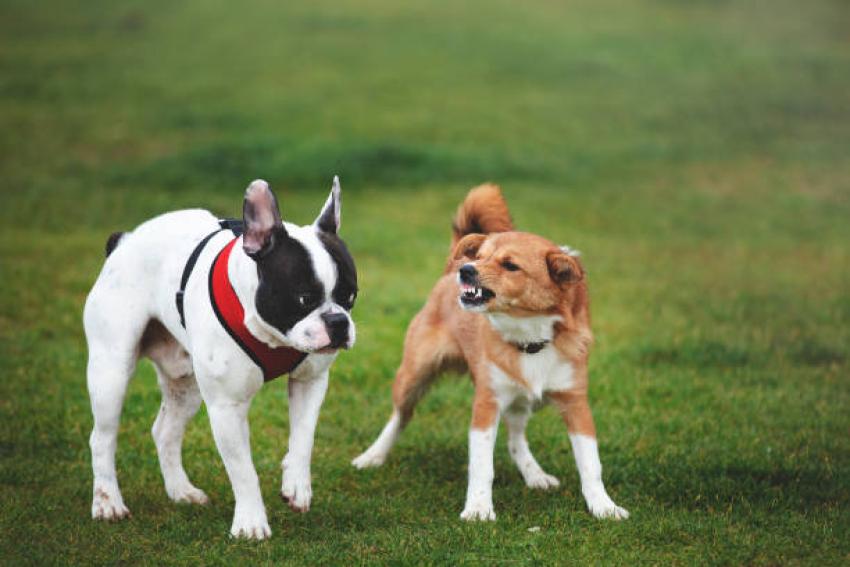
Bringing home a puppy feels exciting and a little scary at the same time. You want a sweet dog who feels safe in your life. However, puppies do not come pre-loaded with good manners or calm reactions. They learn those skills through early experiences. We provide puppy socialization training Woodinville, WA, to help owners build steady habits, and we guide families through it every week. When social time happens the right way, it can lower fear later. It can also reduce barking, nipping, and lunging as your puppy grows. Even better, it helps your puppy recover faster after a surprise. So you get fewer “out of nowhere” behavior problems. You also get a dog who can handle real life with less stress.
Puppy Socialization Training Woodinville, WA: What “Good Socializing” Really Means
Good socializing looks calm, not chaotic. It means your puppy stays under stress level. Then learning can happen. If your puppy shuts down, shakes, or bites the leash, the moment is too big. So we scale it down. A solid plan includes variety, safety, and timing. Your puppy should meet different people, but in gentle ways. Your puppy should see other dogs, but with good matches. Also, your puppy should experience surfaces, sounds, and handling. The goal is simple: build comfort through small wins.
Here are signs the session is working:
- Loose body and soft face
- Curious sniffing and normal blinking
- Taking treats or playing between exposures
- Quick recovery after a startle
Why Early Social Experiences Shape Adult Behavior
Puppies build their “world map” early. During the first months, new sights and sounds can feel normal or scary. Because of that, the same event can lead to two different outcomes. One puppy hears a vacuum and shrugs. Another puppy panics and runs. Over time, fear can turn into barking, snapping, or hiding. Yet early social practice helps the brain label things as safe. Also, it teaches your puppy how to cope when unsure.
Healthy social learning is not about forcing contact. We offer puppy socialization training Woodinville, WA that focuses on steady, positive exposure. Your puppy learns, “This is safe.” Then that comfort shows up later at the vet, on walks, and when guests visit. So the payoff lasts. There are fewer emergencies and fewer setbacks when life changes.
The Behavior Issues Social Training Helps Prevent
Many “bad behaviors” start as coping. A puppy feels unsure. Then the puppy barks or pulls away. If that works, the puppy repeats it. Later, the habit looks like a big problem. Early training can reduce the chance that these patterns take root.
Common issues that early social work helps reduce:
- Reactivity on leash toward dogs or people
- Fear of strangers, especially men or kids
- Guarding food, toys, or resting spots
- Over-arousal that leads to nipping and jumping
- Panic during grooming, nail trims, or vet exams
Also, early work supports bite prevention. Puppies need to learn calm mouth control. They also need safe outlets for chewing. We offer puppy socialization training Woodinville, WA that pairs calm mouth practice with positive social routines, so you often see fewer “sharp teeth” moments.
A Simple Exposure Plan That Feels Safe
A good plan uses structure. First, you pick one new thing. Then you keep it short. After that, you end in success. This approach protects confidence.
Try this weekly rhythm:
- 3–5 short exposures per week
- 5–10 minutes each, then rest
- New item at a distance first
- Treats, play, or praise during calm moments
Also, keep notes. Write what your puppy saw and how they responded. That way, you spot patterns early. If a sound causes stress, you can lower the volume next time. If a person's approach feels hard, you can increase distance. Because learning is not linear, tracking helps you stay patient. If extra controlled practice helps, time at a dog day care center Woodinville, WA, can support calm interactions through planned group time. The key is supervision, spacing, and breaks.
The “Three-Rule” Checklist For Puppy Play And Meetings
Puppy meetings can help, but only if they stay balanced. Play should look like a game, not a test. So use three simple rules to protect your puppy’s future comfort.
Rule 1: Match energy.
Choose calm dogs for shy puppies. Choose playful dogs for bold puppies. Bad matches teach bad lessons.
Rule 2: Keep it short.
Stop while it is still going well. That prevents over-tired zooming and rude play.
Rule 3: Watch for consent.
Healthy play has pauses. Both puppies return willingly if one keeps fleeing, step in.
A good reminder fits in one line:
“Play should look bouncy and mutual, not pinned and frantic.”
Also, plan recovery time after social outings. Sleep helps the brain store learning. So rest is part of training, not a reward after it.
Build Calm Skills With Mini Lessons Inside One Session
This is where small skills prevent big problems. You can teach coping tools during social moments. So the puppy learns what to do when unsure.
Settle on a mat
Bring a small mat. Reward your puppy for lying down. Then practice near mild activity. This builds an “off switch.”
Look and return
Let your puppy look at a trigger. Then reward them when they look back at you. This supports focus without force.
Gentle body handling
Touch the ears, paws, and the collar for one second. Reward. Then stop. Short reps reduce grooming battles later.
One line sums up the goal:
“Confidence comes from many easy reps, not one hard moment.”
If a dog needs more practice around other pups, a dog day care center Woodinville, WA can help when the environment is calm and well structured. Breaks and spacing make a big difference.
When To Slow Down, And What To Do Instead
Sometimes social plans move too fast. Your puppy might yelp, freeze, or refuse treats. That is useful feedback, not failure. So you slow down and protect trust.
Common signs you should reduce intensity:
- Tail tucked or body stiff
- Hiding behind you
- Sudden scratching, yawning, or lip licking
- Lunging, barking, or biting the leash
When you see these signs, change the picture. Create distance. Turn sideways. Let your puppy sniff. Then reward any calm choice. Also, keep sessions shorter. A tired puppy struggles more, so naps matter. If your puppy shows strong fear, get help early. Fast support can prevent fear from becoming a long-term pattern.
Where This Leaves You Next
Your puppy will meet a big world. Still, you can shape how that world feels. When you choose safe, steady social practice, you lower the odds of future behavior issues. You also build a dog who can handle visitors, walks, grooming, and change with less stress. Start small, repeat often, and protect recovery time. Then you will likely notice a calmer home and smoother days.
If you want a clear plan you can follow week by week, contact Seattle Family Dog Training today.