Introduction
Business growth no longer depends only on capital, strategy, or market access. Leadership now plays a decisive role in shaping sustainable success. Modern organisations expect leaders to guide people through complexity, inspire trust, and create environments where innovation thrives. Leadership trends have evolved in response to changing workforce expectations, digital transformation, and stronger regulatory frameworks. These developments influence how businesses expand, manage risks, and maintain long term stability.
The Shift from Authority to Influence
Traditional leadership relied on authority and rigid hierarchies. Modern leadership focuses on influence, collaboration, and emotional intelligence. Leaders are expected to listen, adapt, and engage with employees at all levels. This shift improves workplace culture and enhances employee retention.
When leaders adopt a more inclusive approach, employees feel valued and motivated. This sense of belonging directly impacts productivity and organisational performance. Businesses benefit from improved decision making as diverse perspectives contribute to stronger outcomes.
The Role of Emotional Intelligence in Leadership
Emotional intelligence has become a central pillar of effective leadership. Leaders who understand emotions can manage conflicts, support team wellbeing, and build trust. This approach is particularly important in high pressure environments where employee morale can affect performance.
Leaders with strong emotional awareness create safe and respectful workplaces. They recognise early signs of disengagement or stress and respond appropriately. This ability strengthens internal relationships and reduces workplace disputes.
Digital Transformation and Adaptive Leadership
Rapid technological change requires leaders to be adaptable and forward thinking. Digital tools influence how teams communicate, collaborate, and deliver results. Leaders must understand these changes and guide their teams through transitions.
Adaptive leadership ensures businesses remain competitive. Leaders who embrace innovation encourage teams to experiment and learn. This approach fosters resilience and allows organisations to respond effectively to market shifts.
Employee Development as a Growth Strategy
Modern leadership places strong emphasis on continuous learning. Organisations invest in employee development to build future leaders and maintain a skilled workforce. Structured training programmes improve both individual and organisational performance.
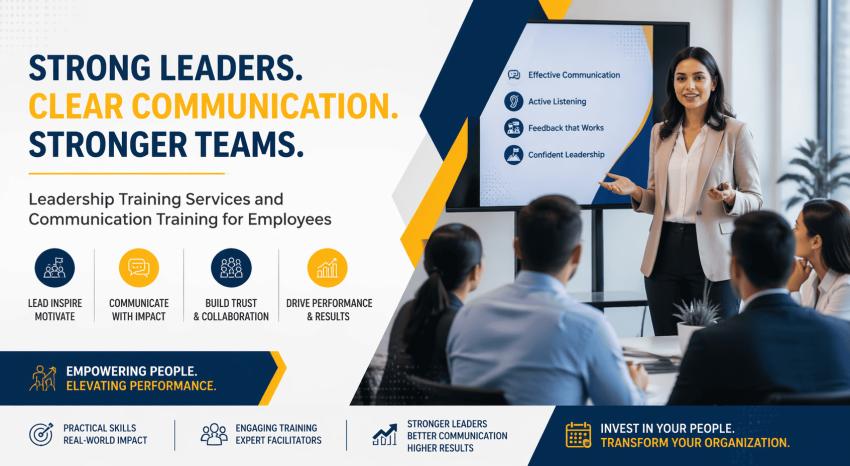
Businesses increasingly rely on professional leadership training services to equip managers with practical skills. These programmes enhance decision making, communication, and strategic thinking. As a result, organisations experience improved efficiency and stronger leadership pipelines.
Transparent Communication and Organisational Trust
Clear communication remains a defining feature of successful leadership. Employees expect transparency regarding organisational goals, challenges, and expectations. Leaders who communicate openly build trust and reduce uncertainty.
Effective communication also supports compliance with workplace policies and legal standards. It ensures employees understand their responsibilities and organisational values. Many organisations invest in communication training for employees to strengthen internal dialogue and minimise misunderstandings.
Diversity, Inclusion, and Ethical Leadership
Modern leadership embraces diversity and inclusion as essential components of growth. Inclusive leaders recognise the value of different perspectives and create equal opportunities for all employees. This approach drives innovation and improves problem solving.
Ethical leadership further strengthens organisational credibility. Leaders who act with integrity set clear standards for behaviour. This reduces legal risks and enhances corporate reputation. Businesses guided by ethical principles attract both talent and clients.
Data Driven Decision Making
Leadership decisions are increasingly supported by data and analytics. Leaders rely on insights to assess performance, predict trends, and manage risks. This approach allows organisations to make informed decisions rather than relying on assumptions.
Data driven leadership improves accountability and efficiency. It also supports strategic planning by providing measurable outcomes. Organisations can identify areas for improvement and implement targeted solutions.
Agility and Resilience in Leadership
Modern business environments are unpredictable. Leaders must respond quickly to challenges such as economic changes, regulatory updates, and global disruptions. Agility enables organisations to adapt without compromising performance.
Resilient leaders maintain focus during uncertainty. They support teams, manage risks, and ensure continuity. This capability is essential for long term growth and stability.
The Impact on Business Growth
Modern leadership trends directly influence business growth. Organisations with strong leadership experience higher employee engagement, better innovation, and improved operational efficiency. These factors contribute to sustainable expansion.
Leadership also affects client relationships and brand reputation. Businesses led by ethical and transparent leaders build trust with stakeholders. This trust supports long term success and competitive advantage.
Conclusion
Modern leadership continues to redefine how businesses grow and succeed. The shift towards emotional intelligence, adaptability, and ethical practices reflects the evolving needs of organisations and employees. Leaders who embrace these trends create resilient, innovative, and inclusive workplaces.
As businesses navigate complex environments, leadership remains a critical driver of success. Organisations investing in leadership development and effective communication position themselves for long term growth and stability.