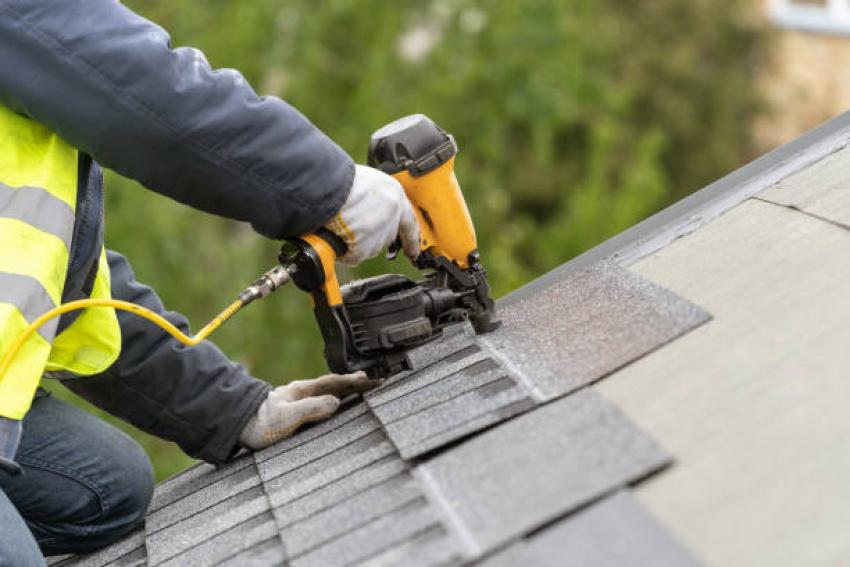
Winter can look calm from the street. Yet a roof can hide a big problem. Ice dams start when the roof snow melts, then freezes again at the edge. Soon, water gets trapped. After that, it can slip under shingles and into the home. The National Weather Service says cleaning gutters and removing roof snow can lower the risk. The U.S. Department of Energy also links ice dams to heat loss, air leaks, and poor attic conditions. For homeowners, roofing services in Wimberley TX, can help stop these issues early with smart winter care. That support protects the roof, lowers stress, and helps families stay dry when temperatures drop.
Why Ice Dams Form in the First Place: Get Roofing Services in Wimberley TX
Ice dams do not appear by magic. First, warm air escapes into the attic. Then the roof deck warms up. Snow melts on the higher roof area, even while the outside air stays cold. Next, the water runs down and freezes at the colder edge. As a result, a ridge of ice forms. The Minnesota Department of Commerce says air leaks play a major role, and insulation alone does not solve the full problem. It also warns that extra roof vents alone will not fix ice dams. So, lasting prevention starts inside the home as much as outside. A careful roof inspection can spot these hidden heat paths before winter pushes them into a leak.
A Full Roof Check Finds Hidden Weak Spots
A roof needs more than a quick look from the yard. Good inspections check shingles, flashing, vents, soffits, and drainage paths. They also look for attic air leaks and wet insulation. The Department of Energy says air sealing and proper attic ventilation help control moisture and reduce ice dam risk. Companies offering Wimberley expert roofing services can find worn areas before snow and ice make them worse. They also check whether warm indoor air is reaching the attic. This step matters because hidden leaks often start small. However, they grow fast during freeze and thaw cycles. A strong inspection plan gives homeowners answers early, which makes winter repairs less stressful and more affordable.
Better Ventilation Helps the Roof Stay Colder
Ventilation helps move cold air through the attic. That keeps the roof surface closer to the outdoor temperature. When the roof stays cold, snow melts more evenly. So, there is less water rushing down to freeze at the edge. The Department of Energy explains that attic ventilation helps control moisture and supports roof durability. Experts in roofing services in Wimberley TX, can review ridge vents, soffit vents, and attic airflow as one system. That full view matters because blocked or uneven airflow weakens roof performance. Good ventilation also supports dry insulation. As a result, the home stays more stable during cold weather. This step works best when it is paired with air sealing and insulation fixes.
Insulation and Air Sealing Work Better Together
Insulation helps slow heat loss. Still, air leaks can ruin that benefit fast. Warm air often escapes around light fixtures, pipes, wiring, and attic access points. Then it reaches the attic and warms the roof deck. The Department of Energy says attics should be air sealed before insulation upgrades. That is why many homeowners call experts for roofing services near Wimberley when winter roof trouble keeps coming back. A good service plan often includes steps like these:
sealing gaps around plumbing and wiring
checking attic hatches for air leaks
replacing wet or flattened insulation
finding heat loss near exterior wall tops
reviewing attic moisture after cold snaps
These fixes help the roof stay colder and drier through the season.
Snow and Gutter Control Can Reduce Winter Damage
Snow control matters because heavy roof snow feeds ice dam growth. The National Weather Service recommends keeping snow loads down and clearing debris from gutters and downspouts. When water can drain well, it is less likely to back up under shingles. During winter, experts in roofing services in Wimberley TX, can guide safe snow removal and drainage care without harming the roof. That support is useful because harsh scraping can damage shingles and metal parts. Here is a simple view:
Roof Area Winter Risk Helpful Service
Gutters Water backup Debris removal
Eaves Ice buildup Drainage review
Attic Heat loss Air leak check
Shingles Water entry Damage inspection
This kind of care helps each part of the roof system do its job during freezing weather.
Quick Repairs Stop Small Issues From Growing
Small roof defects often lead to bigger winter damage. A loose shingle, cracked flashing, or weak seal can let water in fast. Then freeze and thaw cycles widen the gap. The Minnesota Department of Commerce warns against chipping ice or using harsh methods that can damage shingles and gutters. Experts in roofing services near Wimberley can handle winter issues in safer ways. Helpful repair steps often include:
- replacing damaged shingles before storms
- sealing flashing around chimneys and vents
- checking drip edges for weak spots
- fixing gutter joints that leak or sag
- reviewing attic moisture after a roof leak
These repairs protect the home now. Also, they reduce the chance of costly interior damage later in the season.
Keep Winter From Winning
Ice dams can start with one small attic leak or one blocked gutter. Yet the damage can spread fast. Smart roof care stops that chain early. Inspection, ventilation, air sealing, insulation checks, drainage work, and prompt repairs all help. Together, they lower winter risk and protect the home from hidden water damage. Homeowners who want practical help can reach out to Western Skies Roofing & Construction for trusted support and a clear plan before the next hard freeze.