Why do some furniture pieces get picked again and again for events, showrooms, and client projects, while others just stay in inventory?
If you’re sourcing for bulk orders or styling multiple spaces, you’ve probably seen this firsthand. A few designs move fast, fit into almost any setup, and make styling easier. Others look good in isolation but don’t hold up when you actually try to use them across different layouts.
That’s the difference between random selection and knowing what works.
Interior designers and bulk buyers don’t choose accent pieces based on trend alone. They look for items that are easy to place, pair, and reliable across projects. Whether it’s a wedding setup, a retail display, or a residential layout, the goal stays the same: use fewer pieces, but make them count.
This is where accent furniture becomes important. The right pieces don’t just fill space. They help structure it, especially when you’re working at scale.
In this guide, you’ll find the styles that consistently perform well, not just visually, but in real use. These are the pieces designers reorder, recommend, and rely on when timelines are tight and expectations are high.
What Makes Accent Furniture Sell Consistently?
Designers usually look for pieces that solve layout challenges instead of creating new ones. That means the furniture should fit easily into different spaces, not require a full redesign to make it work.
Well-performing accent furniture typically:
adapts to multiple layouts
pairs well with common materials like wood, fabric, and glass
holds visual presence without adding bulk
Material choice plays a big role here. Metal continues to lead because it works across both modern and transitional interiors. It doesn’t compete with other elements, which makes it easier to reuse across projects.
Sculptural Metal Tables That Hold Attention Without Overcrowding
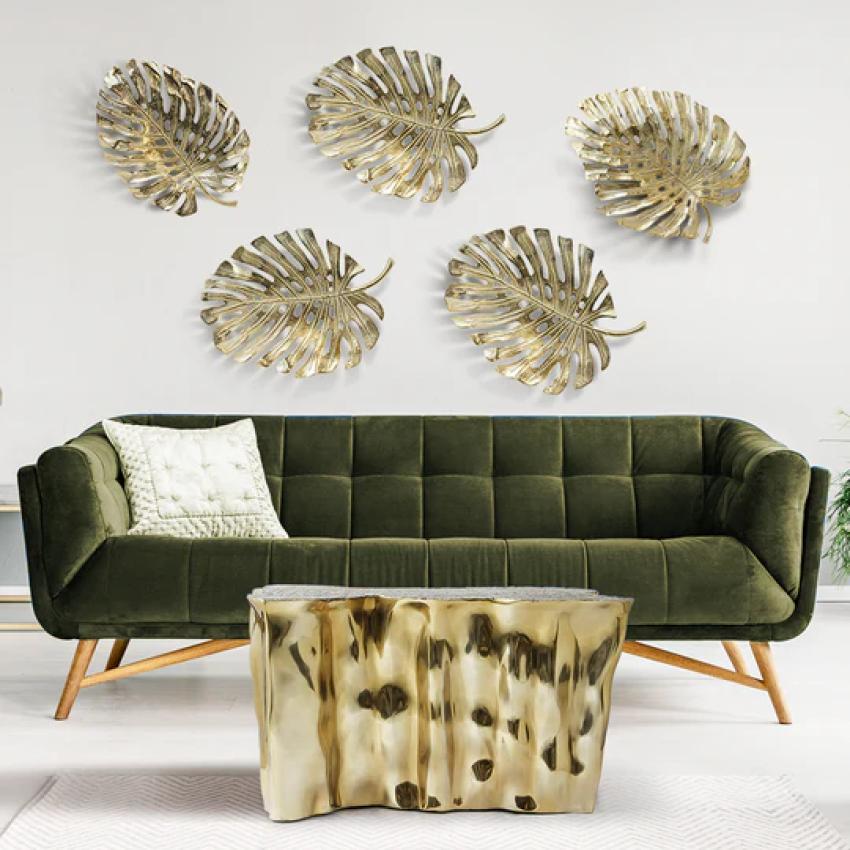
This category keeps showing up in designer projects for a reason. These tables don’t depend on size or heavy detailing. Their shape does the work.
You’ll notice:
uneven or organic forms
hammered or textured surfaces
reflective finishes that respond to light
These pieces are used when a space feels too flat. Instead of adding more decor, designers bring in one strong element that breaks the uniformity. They also work well in spaces with heavy daily use. That makes them practical for both homes and commercial spaces' interior decoration.
Clean-Lined Side Tables That Work Across Layouts
Minimal design is no longer about plainness. It just means keeping things simple without losing purpose. That’s why side tables with:
slim metal frames
balanced proportions
neutral or brushed finishes
They fit easily into smaller spaces where heavier furniture would feel too crowded. They’re also easier to reposition, which matters in projects where layouts change over time.
What makes them reliable sellers is their flexibility. They don’t compete with sofas, rugs, or lighting. They support the space instead.
Nested Tables That Adapt to Different Uses
Nested tables solve a common issue: lack of flexibility. You can keep them grouped or move them around when you need extra space.
These are commonly used in:
compact living rooms
lounges
hospitality spaces
From a buying perspective, they’re also easier to stock and sell. For those sourcing wholesale accent furniture, nested sets reduce decision friction because they cover multiple use cases in one purchase.
Console Tables That Define Entry and Transition Spaces
Console tables often get overlooked, but they play a key role in structuring a space. Designers use them to:
anchor entryways
break up long walls
connect different sections of a room
The best-performing styles tend to have:
open metal frameworks
patterned or textured bases
slim profiles that don’t block movement
They’re especially useful in projects where space is limited but visual structure is still needed. Another advantage is that they’re easy to style. A console can hold decor, lighting, or functional items without feeling overloaded.
Textured and Rustic Metal Pieces That Add Depth
Not every interior is smooth and polished. Many require contrast to feel complete, and textured metal pieces bring that contrast. You’ll see finishes like:
hammered aluminum
brushed or aged metal
uneven edges or surfaces
Designers use these when a space feels too uniform. Instead of adding more colors, they introduce texture. These pieces work particularly well in:
industrial-style interiors
mixed-material setups
spaces that combine modern and natural elements
Within accent furniture, this category stands out because it adds character without requiring additional layers of decor.
Functional Pieces That Still Look Design-Focused
There’s steady demand for pieces that do more than one job, but they still need to look thoughtfully designed. Examples include:
bar carts that double as display units
stool-style tables that can be moved easily
compact storage tables
Designers use these in spaces where every item needs to justify its presence. The key difference now is appearance. These pieces are no longer purely functional. They’re designed to blend into styled environments while still offering utility.
For buyers working with wholesale accent furniture, these products tend to move faster because they appeal to both practical and design-driven customers.
Mixed Material Designs That Simplify Styling
Mixing materials has become standard practice, but it needs to be done carefully. The most successful pieces combine:
metal with glass
metal with stone
metal with wood
This approach reduces the need to add multiple furniture items just to create contrast. Designers often rely on these pieces when:
building layered interiors
balancing warm and cool tones
simplifying the overall styling process
They’re also easier to integrate into existing spaces, which increases their demand.
How Designers Decide What Actually Works
Trends help, but decisions are rarely based on trends alone. Designers usually look at:
the size of the furniture piece in relation to the room
how the material responds to the natural light
how the furniture piece connects with existing furniture
whether it allows movement or blocks it
A furniture piece might look strong on its own, but fail once placed in a real layout. That’s why adaptability matters more than uniqueness.
Best-selling pieces are not always the most eye-catching. They’re the ones who continue to work across different projects without creating new problems.
Conclusion
The way designers use accent furniture has changed. It’s no longer about filling empty spots. Each piece needs to serve a purpose. The ones that keep selling are simple to use, flexible, and easy to fit into different setups. If you’re selecting pieces for projects or resale, focus on what holds up in real use, not just what looks good in isolation. That’s what keeps inventory moving and spaces working.
Because in the end, the right piece doesn’t just fit into a room, but it makes the entire layout feel complete.