When it comes to getting things done efficiently, the right tools and materials can make all the difference. Whether you’re a DIY enthusiast, a professional contractor, or just someone handling occasional home repairs, having the right hardware and fixings on hand helps you work faster, safer, and with better results. Instead of wasting time improvising or using the wrong materials, you can rely on proven essentials that simplify the job.
Here are 12 essential hardware tokohasil and fixings that can help you work smarter, not harder.
1. Screws
Screws are a step up from nails when you need a stronger and more secure hold. They’re ideal for wood, drywall, and even metal depending on the type. The key advantage is their ability to be removed and reused without damaging the material too much. Keep a mix of sizes and head types like Phillips and flathead for flexibility.
2. Wall Plugs (Anchors)
If you’re attaching something to a wall, especially plaster or drywall, wall plugs are essential. They provide extra grip so screws don’t loosen over time. Without them, even a small shelf can become unstable. Choose the right size based on the screw and the weight you plan to support.
3. Nails
Simple but still highly effective, nails are perfect for quick jobs and lightweight structures. They’re easy to use and fast to install. While they don’t offer the same holding power as screws, they’re great for framing, trim work, and temporary fixtures.
4. Bolts and Nuts
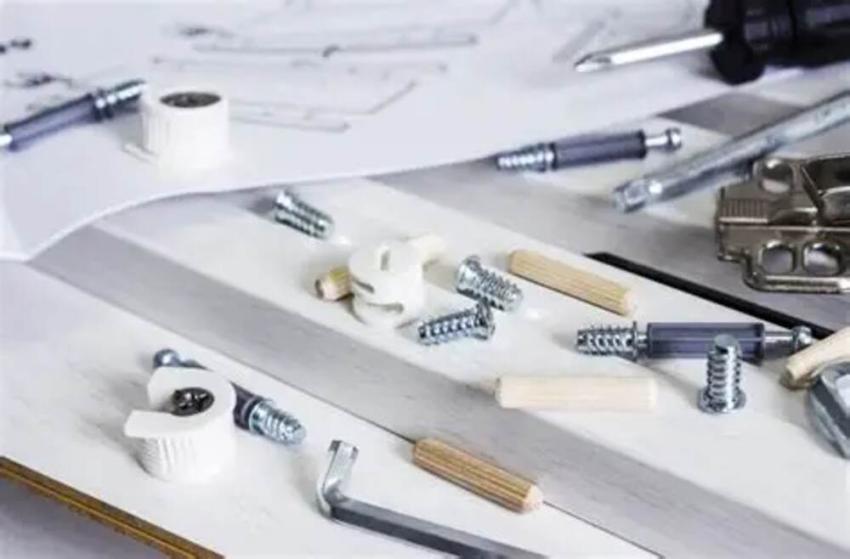
For heavy-duty applications, bolts and nuts are the go-to choice. They provide a strong, reliable connection that can handle significant weight and stress. These are commonly used in furniture assembly, machinery, and structural work. Always match the thread size carefully to avoid issues.
5. Washers
Washers may seem small, but they play an important role. They distribute the load of a screw or bolt, preventing damage to the surface and improving stability. They also help reduce loosening caused by vibration, which is especially useful in mechanical setups.
6. Hinges
Hinges are essential for doors, cabinets, and any moving panels. A good hinge ensures smooth operation and long-lasting performance. Soft-close hinges are a popular upgrade for kitchens and furniture because they reduce noise and wear over time.
7. Brackets
Brackets provide support where it matters most. Whether you’re installing shelves, mounting a TV, or reinforcing corners, brackets add stability and strength. L-shaped brackets are among the most versatile and widely used.
8. Cable Clips and Ties
Managing cables properly not only improves appearance but also prevents damage and hazards. Cable clips keep wires fixed in place along walls or surfaces, while zip ties bundle them neatly. This is especially useful for home offices, entertainment setups, and workshops.
9. Adhesive Fixings
Not every job requires drilling. Adhesive hooks, strips, and pads are great for lightweight items and temporary setups. They’re perfect for renters or anyone who wants to avoid damaging walls. Just make sure the surface is clean before applying for the best hold.
10. Rawl Bolts (Expansion Bolts)
When working with concrete or masonry, standard screws won’t cut it. Rawl bolts expand as they’re tightened, creating a firm grip inside the material. They’re ideal for heavy installations like railings, large shelves, or outdoor fixtures.
11. Thread Seal Tape
Often overlooked, thread seal tape is essential for plumbing tasks. It helps create a watertight seal between threaded pipes, preventing leaks. It’s inexpensive, easy to use, and can save you from costly repairs down the line.
12. Corner Braces
Corner braces are small metal pieces that reinforce joints at right angles. They’re especially useful in furniture repair or construction projects where added stability is needed. Installing them takes just minutes but can significantly extend the life of your work.
Tips for Choosing the Right Hardware
Having these essentials is only part of the equation. Choosing the right type and size for each job is just as important. Always consider the material you’re working with, the weight load, and environmental factors like moisture or temperature. For example, stainless steel fixings are better for outdoor use because they resist rust.
It’s also worth organizing your hardware in labeled containers. This saves time when you’re in the middle of a project and need to find the right piece quickly.
Why Quality Matters
Cutting corners with cheap hardware can lead to problems later. Weak screws can strip easily, low-quality anchors can fail, and poorly made hinges can wear out quickly. Investing in reliable products may cost a bit more upfront, but it pays off in durability and performance.
Work Smarter, Not Harder
The goal of using the right hardware and fixings is simple: reduce effort while improving results. When you don’t have to redo work or deal with failures, you save both time and energy. Even small upgrades, like switching from nails to screws or adding washers, can make a noticeable difference.
By keeping these 12 essential items in your toolkit, you’ll be prepared for a wide range of tasks. More importantly, you’ll approach each job with confidence, knowing you have the right solution at hand.
In the end, working smarter isn’t about doing less. It’s about doing things the right way from the start.