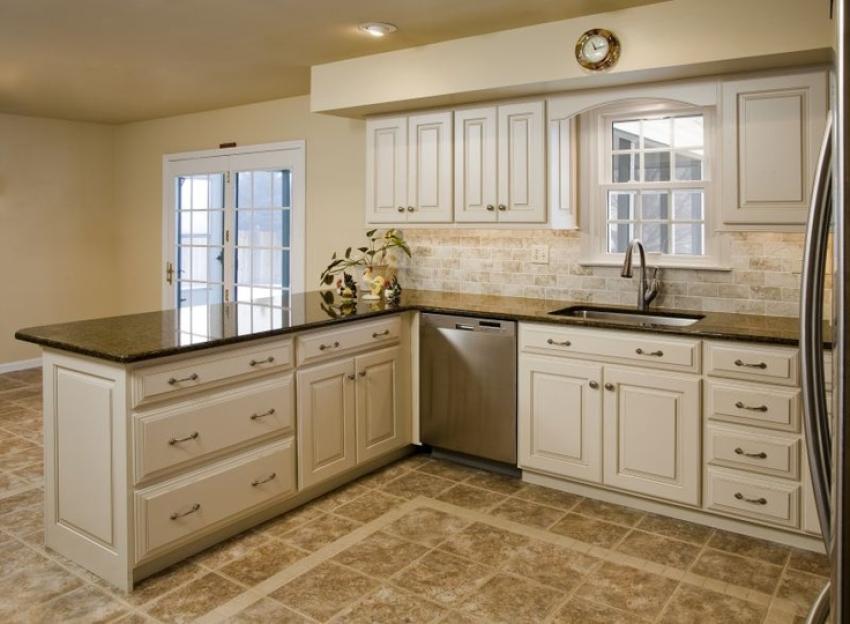
You invest in custom kitchen cabinets, and at first, everything looks perfect. Smooth finishes, clean edges, and that fresh, polished feel. But after a few months, things start to change. Grease builds up near the stove. Handles feel sticky. The shine fades just a bit.
This is where most homeowners in Milwaukee get stuck. Not because they don’t care, but because no one really explains how to maintain cabinets properly.
The truth is, cabinet care isn’t complicated but it does require consistency and the right approach. In this guide, you’ll learn how to keep your cabinets looking new, avoid common mistakes, and extend their lifespan without overthinking it.
Why cabinet maintenance matters
Custom cabinets aren’t just about looks. They’re a long-term investment in your home. When neglected, even high-quality materials start showing wear faster than expected.
In places like Milwaukee, seasonal changes can also affect your cabinets. Humidity in summer and dry air in winter can cause wood to expand and contract. Over time, this leads to cracks, warping, or loose joints if not managed properly.
Regular care helps prevent all of this. It keeps surfaces intact, preserves the finish, and maintains the structure. More importantly, it saves you from costly repairs or replacements down the road.
The real problems homeowners face with kitchen cabinets
Let’s be honest most cabinet damage doesn’t happen overnight. It builds up slowly through everyday use.
Grease and grime are the biggest culprits, especially around cooking areas. If not cleaned regularly, they harden and become difficult to remove. Then there’s moisture. Water spills near sinks or dishwashers can seep into edges and cause swelling.
Another common issue is improper cleaning. Many people use harsh chemicals thinking they’ll get better results. Instead, they strip the finish and dull the surface.
And if you have white oak cabinets, the problem becomes even more visible. Their natural grain and lighter tones make stains and scratches stand out more.
A simple routine to keep cabinets looking new
The key is not doing everything at once, but building a simple routine that works.
Daily quick wipe
You don’t need a deep clean every day. Just take a soft cloth and wipe down cabinet surfaces, especially near cooking areas. This prevents grease buildup before it becomes a problem.
Weekly gentle cleaning
Use a mild soap solution with warm water. Avoid soaking the cloth—just damp is enough. Wipe, then dry immediately with a clean towel. This step keeps finishes intact and prevents moisture damage.
Monthly deeper check
Take a closer look once a month. Check for loose hinges, sticky drawers, or areas where dirt collects. Fixing small issues early prevents bigger problems later.
Seasonal care
During winter, indoor heating can dry out wood. Consider using a humidifier to maintain balance. In summer, ensure proper ventilation to avoid excess moisture.
This routine doesn’t take much time, but it makes a noticeable difference over months and years.
Mistakes that quietly ruin your cabinets
Most cabinet damage comes from habits people don’t even realize are harmful.
Using abrasive sponges is a big one. They scratch the surface, especially on painted or finished cabinets. Over time, those tiny scratches become visible and dull the overall look.
Another mistake is letting water sit. Even a small amount near edges can seep in. Always dry surfaces after cleaning or spills.
Then there’s overloading shelves. Custom cabinets are strong, but constant heavy weight can strain hinges and cause misalignment.
And finally, avoid ignoring small issues. A slightly loose hinge today can turn into a broken door later if left unchecked.
Smart care tips that make a real difference
Sometimes, it’s the small changes that have the biggest impact.
Use soft microfiber cloths instead of paper towels. They clean better and reduce the risk of scratches.
Install cabinet liners inside drawers and shelves. They protect surfaces from spills and make cleaning easier.
Keep heat sources in mind. Cabinets near ovens or stoves face more stress. Using a range hood helps reduce heat and grease exposure.
For white oak cabinets, consider using wood-safe polish occasionally. It enhances the natural grain and keeps the finish looking fresh without making it overly glossy.
Also, pay attention to handles and knobs. These areas collect oils from hands quickly. Cleaning them regularly prevents buildup that spreads to the rest of the cabinet.
How different cabinet materials change your care approach
Not all cabinets are treated the same, and understanding this can save you a lot of trouble.
Painted cabinets need gentle cleaning. Harsh chemicals can cause chipping or fading. Stick to mild solutions and avoid excessive scrubbing.
Natural wood cabinets, like white oak cabinets, require a bit more attention. They react to humidity changes, so maintaining indoor balance is important. Occasional conditioning helps keep the wood from drying out.
Laminate cabinets are more resistant to stains but can still get scratched. Avoid sharp objects and abrasive cleaners.
The goal is simple: match your cleaning method to the material. It’s a small adjustment that makes a big difference in longevity.
Keeping your kitchen cabinets in top shape for years
Consistency beats effort here. You don’t need expensive products or complicated routines.
Think of cabinet care like basic home maintenance. A little attention regularly prevents major issues later. When you stay on top of cleaning and inspections, your cabinets will continue to look as good as they did when first installed.
And in a place like Milwaukee, where weather plays a role, being proactive matters even more. Managing humidity and temperature indoors helps protect your cabinets from unnecessary stress.
At the end of the day, well-maintained cabinets don’t just look better—they function better too.
FAQs
How often should I clean my kitchen cabinets?
A light wipe daily and a deeper clean once a week is enough for most homes. Adjust based on how often you cook.
Can I use vinegar to clean cabinets?
Yes, but dilute it with water. Strong vinegar can damage finishes if used too often.
What’s the best way to protect white oak cabinets?
Keep them dry, avoid harsh cleaners, and use a wood-safe polish occasionally to maintain their natural look.
Why do my cabinets feel sticky even after cleaning?
This usually comes from grease buildup. You may need a slightly stronger (but still gentle) cleaning solution and more frequent wiping.
Do cabinets really get affected by weather?
Yes, especially wood cabinets. Humidity and temperature changes can cause expansion and contraction over time.