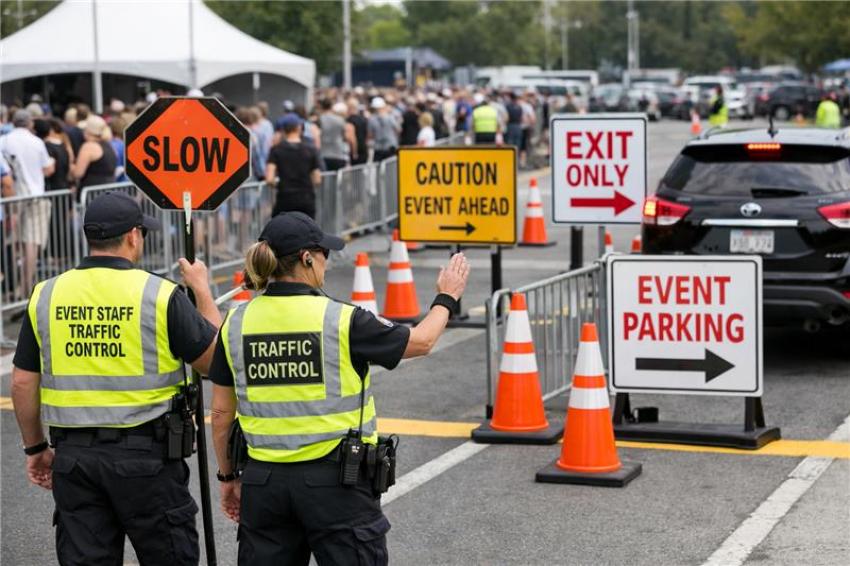
Let’s be real for a second. Mention traffic control, and most people instantly picture endless highway roadworks. Or maybe a bloke holding a stop/slow bat at a dusty construction site.
But here's the thing.
Most people never notice it, yet every big outdoor event depends on one quiet force. Running a small charity fair, an enormous concert series, or even a busy sidewalk sale - all rely heavily on movement control. Cars show up uninvited. Delivery trucks block paths. People step into lanes mid-thought. One slip here, and the order cracks wide open.
Sounds a little dramatic, doesn't it?
Unfortunately, it isn't. Depending on the "she'll be right" mentality is equivalent to inviting disaster. We can hardly imagine a more dangerous situation than when pedestrians and large event setups needing the exact same space start to clash. The road to disaster can be alarming quick. It's imperative to always secure safe environments for those walking, cycling and even driving, at the same time, we really should try to make the traffic jams as short as possible.
What Exactly is an Event TMP?
Surprise guests with chaos? Probably not. What works better is having a clear plan ready. Think of it as mapping out every possible hiccup ahead. When problems pop up, responses are already lined up. Traffic management plans do exactly that - spot trouble before it spots you.
So, what does this actually look like on paper?
Picture detailed site maps. We're talking marked traffic routes, dedicated footpaths, and obvious entry and exit points. It’ll map out exact times when vehicles are completely banned from the grounds. Plus, you need tight schedules for your bump-in and bump-out crews.
You can't just draft this up on a napkin over a pint. To get it right, a qualified traffic management planner needs to touch base with local councils, the police, and emergency responders way before the first marquee is even unboxed.
Keeping Punters and Vehicles Miles Apart
Picture a crowded weekend market. Amid the noise, children dart between stalls. Parents guide strollers through tight spots. Volunteer vehicles creep forward without warning, sharing the chaos.
Getting everything where it needs to go feels like untangling a knot every morning.
The easiest fix? Keep people and machines strictly apart. You pull this off by carving out dedicated walkways and shared crossings, cordoned off with high-vis barriers or clear line markings. Traffic controllers are absolute gold here. They set up the temporary crossings and literally guide the foot traffic away from active vehicle paths.
Leaving the Door Open for First Responders
Should plans fall apart, each moment counts without exception. Keeping clear paths for emergencies stays essential throughout your time on site - no compromises allowed.
When local emergency teams join at the start, paths for ambulances and fire trucks stay completely clear. Should flames spread or someone fall unconscious, help arrives fast because roads remain open. Even if evacuation becomes necessary, the strategy already outlines calm movement so crowds do not jam exits. Chaos finds less room when routes unfold ahead of a crisis.
Managing the Chaos: Parking, Ubers, and Locals
Ever been stuck in event traffic? Absolute nightmare.
To avoid wrecking the local road network, organisers have to meticulously direct cars to designated spots,. Sometimes, that means setting up off-site parking paddocks and running regular shuttle buses.
And don't forget the neighbours. Smartly planned detours and temporary road closures stop random cars from cruising into your busy pedestrian zones. This keeps local residents from pulling their hair out.
Truth is, plenty of guests will arrive by car service. Mark specific spots where drivers can wait, collect people, leave - plain signs help. Without clear areas? Traffic snarls pop up fast. Trucks hauling vendor gear need space too. Set a rule: nothing closer than three metres while cargo moves, keeps folks out of harm’s way.
What Happens When You Drop the Ball?
Mix heavy delivery trucks, UTVs, and thousands of distracted festival-goers without any strict rules.
What do you get? A disaster waiting to happen. These kinds of vehicle incidents can easily wreck property or, devastatingly, cost lives.
On the business side of things, terrible logistics will completely trash your reputation. If your attendees spend three hours cooking in their cars because of non-existent detours or a botched parking setup, they're going to complain. Loudly. And that frustration directly hits your brand.
Wrapping it Up:
When dusk falls, keeping events safe goes way beyond tossing orange cones onto a field. Thinking ahead matters more than most realise. Updates flow nonstop, tied together through clear links between teams. Professional traffic management services step in to handle vehicle movement, watching every shift as situations twist. When things don't go as planned, things change quickly based on what you've learned. Plan traffic carefully to start off strong; everyone's safety depends on it. Make sure guests are impressed by how smoothly things go, not how frustrated they are near the lots.