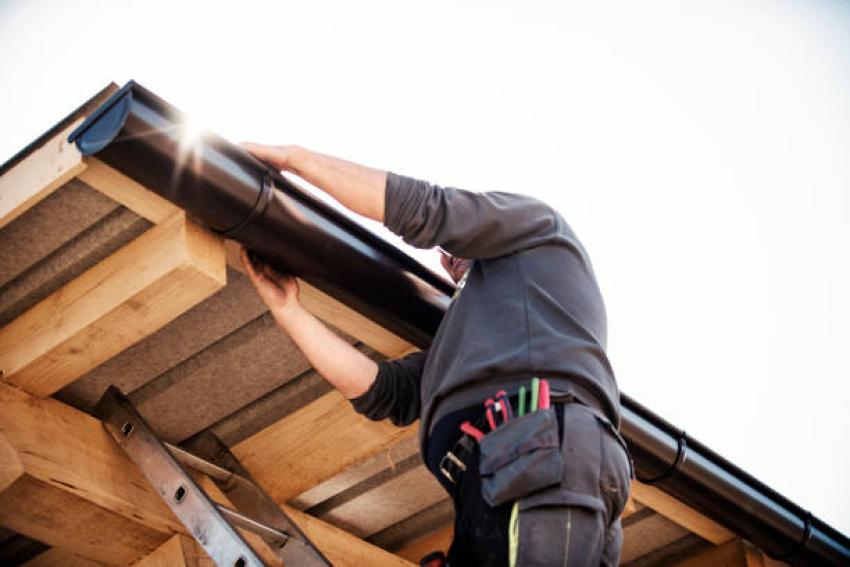
Heavy rain can dump a lot of water fast. In fact, “heavy rain” can start at about 0.30 inches per hour, per the American Meteorological Society. That rush of water can turn loose gutters into a loud drumline. It can also send water where it should not go. So, smart gutter choices matter. This guide explains how aluminium gutters can lower rain noise. It also shows how a good setup keeps water moving smoothly. For homeowners considering aluminum gutter installation in Eastpointe MI, the right steps can mean a quieter home during storms.
1) Work of Aluminum Gutter Installation in Eastpointe MI
Rain noise often comes from three things. First, water hits metal like a fast tap. Next, loose hangers let the gutter shake. Then, water drops hard at elbows and splash zones. So, the sound gets sharper and louder.
However, the real fix is not just thicker metal. It is a better water flow. When water moves in a steady sheet, it makes less noise. Also, when parts stay tight, they do not rattle.
That is why the correct slope matters. Proper pitch moves water to the downspouts faster. As a result, water does not back up and crash over the edges. Plus, a clean channel keeps the flow even. So, the sound drops during heavy rain.
2) Pick aluminium for calmer sound and solid strength
Aluminium is light, yet it holds up well in bad weather. Also, it does not rust like steel. Many guides note that aluminium resists rust and corrosion well. That matters because rust spots can cause rough flow. Rough flow makes more noise.
Still, the big win is control. Aluminium gutters can be formed in longer runs. So, you can cut down on leaky joints. Fewer joints often means fewer drip sounds.
Here are quick ways aluminium helps during storms:
- It stays stable, so it shakes less when installed correctly.
- It keeps a smoother channel, so water slides instead of splashing.
- It supports longer runs, so there are fewer noisy seams.
Also, aluminium is commonly used to repair. So, small dents do not become loud problems later.
3) Get the slope right, or water will slam and splash
A gutter should guide water, not fight it. So, the installer needs the correct slope. If the slope is too flat, water pools. Then it overflows in sheets and hits the ground hard. That sound can echo into the house.
On the other hand, too much slope can send water racing. Then it can slam into downspout openings. So, balance is key.
This is where aluminum gutter installation in Eastpointe MI can shine when done by a careful crew. The goal is a steady flow. The crew should also set downspouts at smart spots. That reduces long, noisy runs.
Also, hangers should be spaced well. Tight hangers reduce vibration. As a result, the gutter stays quiet even when the rain is loud.
4) Quiet the downspouts, because they often make the most noise
Downspouts can sound like a waterfall in a metal pipe. However, a few changes can calm that sound fast. One common tip is to adjust the downspout angle. This helps the water slide instead of dropping straight down.
Try these proven noise reducers:
- Add straps so the downspout does not shake in the wind and rain.
- Shift the elbow so water hits a side wall and then flows down.
- Use foam wrap or insulation to reduce vibration on the pipe.
- Add a splash block at the exit to stop loud ground impact.
Also, check for dents and gaps. Even small bends can make water chatter. So, smooth lines matter.
5) Use guards and cleanouts to stop “clog splash” sounds
Clogs sneakily make noise. Water hits a leaf pile, then sprays. Next, it overflows in short bursts. That “dumping” sound can be louder than normal flow.
So, gutter guards can help if they fit right. Guards reduce leaf buildup. Then water can keep a steady path in storms. Also, fewer clogs means less overflow near doors and windows.
Even with guards, quick cleanouts still matter. A short check after a big wind helps a lot. Also, make sure valleys and roof edges stay clear. Those areas feed the gutter fast.
If a homeowner wants Eastpointe aluminum gutter installation services, they should ask about guard options, too. A good provider will match guard style to roof debris.
6) Stop water from blasting the ground near the house
Noise is annoying, but water damage is worse. Gutters protect the home by moving water away. Many home guides warn that gutters help reduce soil erosion and foundation risks. So, the outlet path matters.
First, extend downspouts away from the wall. Next, use splash blocks or drains. Then, aim water toward safe grading.
Also, keep the exit quiet. A splash block spreads the flow. So, water does not hit dirt like a hammer. That lowers the sound and helps the yard.
Meanwhile, check for standing water after storms. If puddles stay, adjust the outlet. Small fixes now can prevent big repairs later.
7) Hire the right installer for tight parts and less rattling
A good install is about details. Tight hangers, proper screws, and clean joints all reduce noise. Also, the crew should test the flow with water. That simple step can catch splash points early.
If someone searches for an aluminum gutter installer Eastpointe MI, they should ask a few simple questions. Do they set the proper slope? Do they secure downspouts at key points? Do they explain where the water will exit?
Also, the installer should match the gutter size to the roof area. Bigger roofs can dump more water faster. So, the system must handle surge flow. When capacity is right, water stays calm. Then, the noise drops during heavy rain.
8) A simple storm-ready checklist that keeps things quiet
A quiet gutter system stays quiet because it stays ready. So, homeowners should do small checks often. For example, listen during the next big rain. If a spot bangs or gurgles, that is a clue.
Next, check for loose straps and hangers. Also, look for overflow marks. Those stains show where water jumps the edge. Then, clear debris from corners and elbows.
Finally, plan a seasonal review. Spring and fall are key. That is when leaves and seed pods pile up.
When it is time to upgrade, Brighter Side Solutions can help homeowners get a calmer, stronger setup that handles heavy rain with less noise.