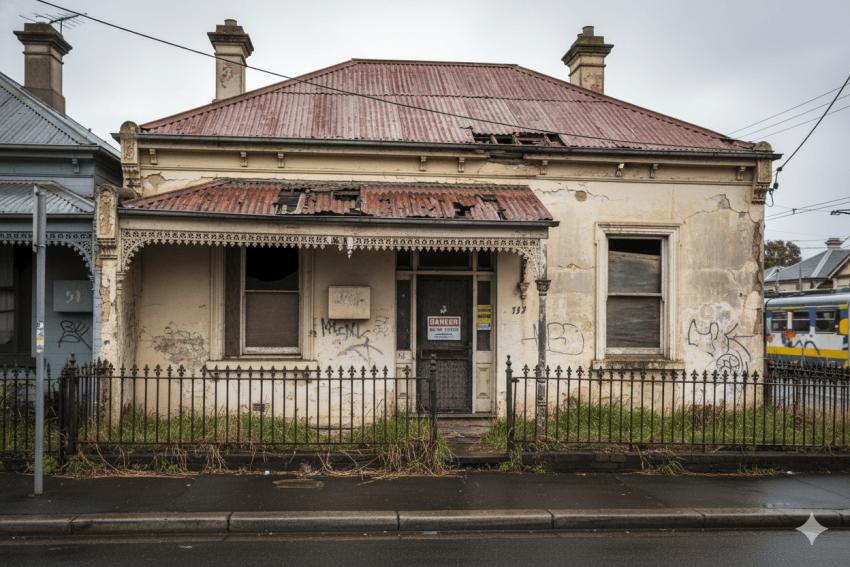
Are you staring at a tired old property and wondering whether to call in the tradies for a massive renovation or just bulldoze the lot? It’s a massive dilemma for property investors and homeowners alike. While a classic Aussie renovation seems like the safer, more conservative bet, sometimes starting fresh is actually the smartest, safest, and most cost-effective move. We all love the idea of flipping a house, but a superficial coat of paint won’t fix everything. Let’s chat about the glaring warning signs that tell you it’s time to bring in the wrecking ball and why a clean slate might be your best option.
Severe Structural Damage: The Ultimate Dealbreakers
Start by realizing tearing down a home doesn’t mean giving up. When there is structural damage or fixes cost far too much, walking away makes sense - both for peace of mind and bank balance. Notice doors sticking shut, odd gaps appearing, or floors swaying underfoot? That’s not normal wear - it’s a signal. Skip the guesswork. A qualified expert can clarify what comes next without pushing an agenda. Clarity now avoids crisis later.
Another clear indication of problems? Floors that slack, spring up or drift. In Austalia, normally these irregularities come from long-lasting problems that include foundation setting, wood decay, or weak framing. If walls are bending or the roofline is very drooping and hanging down, essentially the load-bearing part of the building is gone, in which case a complete rebuilding is definitely a much safer decision than attempting to support a collapsing structure.
Health, Safety, and Habitability Hazards
At times, threats concealed within the structures of your house can be much more dangerous than even the most dilapidated walls. Highly problematic pest invasions, especially those caused by termites, represent the top scare for every homeowner in Australia. If the local pests have already broken down your main wooden supports, fixing the aftereffects of these hidden invasions might turn out to be a very complicated and expensive affair that you simply wouldn't want to go through.
And there are the dangerous toxic substances present. Mold contamination or asbestos are common hazards in old buildings. Removing these risks requires a high level of safety often at such a high cost that it is many times more reasonable and safer to demolish the building. In a situation when a house lacks fundamental utilities consecutively plumbing and electricity or is highly fire-prone, the local authority could take a step and declare the building as condemned; therefore, it would be legally considered unfit for habitation.
Financial and Functional Tipping Points
Let’s talk dollars and cents. A handy rule of thumb in the property game is the 50% rule: if the quotes to fix up the place exceed half of the property’s overall value, you should seriously consider a knockdown. Older homes are notorious for hiding dodgy electrical wiring, corroded plumbing, and inefficient systems behind their walls. Bringing an outdated home up to the current strict building codes can blow your budget completely out of the water.
There’s also the issue of “functional obsolescence”. This is just a fancy way of saying the house has a terrible layout that doesn’t suit modern living, think tiny compartmentalised rooms, low ceilings, and zero flow. If you have to gut the entire house and knock out load-bearing walls just to make it livable, building a brand-new, energy-efficient home from scratch is usually a much better return on investment.
Alternatives and Next Steps: Making the Right Call
If you’ve decided the old girl has to go, you don't necessarily have to send everything straight to the tip. Consider "deconstruction" instead of traditional demolition. This is a hands-on, selective dismantling process where you salvage usable materials. You can reuse up to 25% of the materials and recycle a massive 70%, keeping a huge amount of waste out of our landfills.
But before you authorise any major work, get the experts in. Whether you need demolition in Doncaster or are planning a fresh build over in Perth, never make this call blindly. Hire a qualified building inspector or a licensed structural engineer to trace the root causes of any defects. They will tell you straight up if the issues are just cosmetic settling or if the building is a complete write-off.
Conclusion:
There is absolutely no shame in demolishing a house. If it's so badly damaged that you can't imagine doing anything with it without calling in huge money or if the situation is so dangerous, then demolishing it is simply the most prudent thing to do from the point of view of your finances and safety. If you have noticed doors that are trying to open themselves, cracks that look funny, or your floors feel spongy under your feet, then don't just pretend you haven't seen anything. Call in a construction expert, have them give you a report, and decide together on the best long-term solution for your property.