Why Does "Precision Temperature Control" Matter?
In modern homes, the kitchen is no longer just a place to cook—it’s the heart of family life. More and more Sydney homeowners renovating their kitchens are focusing on three things:
How easily can I control the heat?
Will my results be consistent?
Is the operation efficient and user-friendly?
Precision temperature control means you can nail every dish with less effort, reduce cooking mistakes, and genuinely enjoy the process more.
How Induction Works
Unlike traditional gas or electric stoves, induction cooktops use electromagnetic energy to heat the pot or pan directly—not the glass surface beneath it.
This leads to several standout features:
Faster heating
More concentrated heat
Nearly zero lag time when adjusting temperature
A cooler cooktop surface with minimal residual heat
For Sydney families upgrading an older kitchen, the difference is often immediate and dramatic.
Where Does Induction's Precision Shine?
1. Instant Response to Heat Changes
When you turn down the power on an induction cooktop, the temperature drops immediately. No waiting, no lingering heat.
This is especially useful for:
Dishes that require frequent heat adjustments
Preventing pot overflows
Controlling the rhythm of stir-frying, searing, and simmering
For busy households, this "change-on-demand" experience is a game-changer.
2. Even Heating, Fewer Failures
Induction provides consistent, stable heat distribution, effectively eliminating hot spots or uneven cooking.
What that means for you:
Food cooks more evenly
Less chance of burning or undercooking
More reliable results, every time
Whether you're cooking a weekday family meal or hosting a dinner party, this consistency is invaluable.
3. Superior Low-Temperature Control
Many people overlook this: excellent low-temperature control is the true test of a cooktop's precision.
Induction excels at:
Gentle simmering
Melting chocolate or butter
Keeping food warm without drying it out
Slowly heating delicate sauces
In contrast, gas stoves can be unreliable at very low flames—especially in coastal areas like Bondi or Manly, where breezes can affect the flame.
More Energy-Efficient and Comfortable
With rising energy costs and growing environmental awareness, more Sydney households are prioritising appliance efficiency during renovations.
Induction's advantages:
Heat goes directly into the cookware, wasting very little energy
Shorter cooking times
A cooler kitchen environment
Less strain on your air conditioning (a real bonus for open-plan living or apartments)
A Safer Kitchen Choice
Beyond performance, safety is another major plus:
No open flame
The cooktop surface stays relatively cool to the touch
Auto shut-off when no pan is detected
No risk of gas leaks
For families with young children, or anyone looking to improve home safety, this is an important consideration.
Fits Modern Kitchen Design Trends
In Sydney's current kitchen renovation trends, "clean and integrated design" is increasingly popular. Induction cooktops blend beautifully with:
Stone benchtops (marble or quartz)
Handleless cabinetry
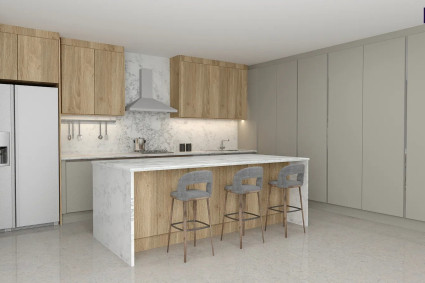
Island kitchen layouts
Open-plan living spaces
The overall look is cleaner, more modern, and more high-end.
What to Consider Before Switching to Induction
Of course, there are a few practical factors to keep in mind:
Cookware Requirements
You’ll need magnetic-based pots and pans. Some households may need to replace a few old favourites.
Electrical Upgrades
Some older homes (especially in Sydney’s inner west) may require an electrical system upgrade to support induction.
Upfront Cost
Induction cooktops typically cost more upfront than basic gas models. However, the long-term energy savings and performance usually make up for it.
What’s Happening in the Sydney Market?
In recent years, induction has seen a clear rise in popularity for kitchen renovations across Sydney, particularly in:
Apartment renovations
New home builds
High-end residential projects
Eco-conscious developments
While gas still has its place, more and more homeowners are making the switch for the performance and design benefits.
Thinking Holistically About Your Kitchen Design
Choosing induction isn't just swapping one appliance for another. It impacts your overall kitchen layout, including:
Electrical circuitry planning
Cabinetry configuration
Ventilation requirements
Benchtop material choices
That’s why deciding on your appliances early in the renovation process leads to a smoother, more efficient project.
Is Induction Worth It?
If you want a kitchen that combines performance, efficiency, and modern design, induction is an excellent choice.
It delivers:
More precise temperature control
A more efficient way to cook
A safer cooking environment
A cleaner, more contemporary look
For Sydney homeowners, this isn't just an upgrade—it's a future-focused investment.
Final Verdict
So, does induction cooktop offer more precise cooking?
Absolutely. And that precision directly improves your cooking experience and quality of life.
Happy cooking!