The Pressure Washing Mistake Everyone Makes
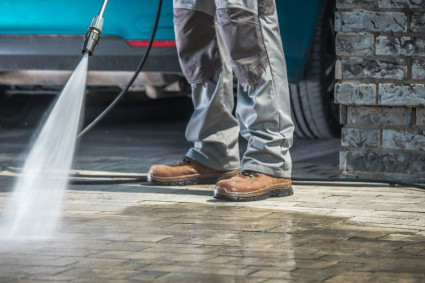
Walk through any neighborhood and you'll see the same scene every spring — homeowners blasting their decks, driveways, and siding with high-pressure water. It looks productive. It feels satisfying. And honestly? It's probably doing more harm than good.
Here's what most people don't realize: that 3000 PSI spray you're aiming at your wood deck is literally tearing apart the fibers. You're not just removing dirt — you're removing years from your deck's life. Professional contractors who specialize in professional pressure washing in Appling, GA will tell you there's a smarter approach that protects your investment instead of destroying it.
The difference between cleaning and damaging often comes down to understanding what your surfaces actually need. And spoiler alert: most exterior surfaces around your home were never designed to withstand industrial-grade pressure.
Why High Pressure Creates Long-Term Problems
Think about how wood works for a second. It's porous, flexible, and designed to expand and contract with moisture. When you hit it with extreme pressure, you're forcing water deep into those pores at unnatural speeds. Sure, the surface looks cleaner temporarily — but you've just created perfect conditions for mold, mildew, and rot to develop beneath the surface where you can't see it.
Vinyl siding presents a different problem. Those panels overlap and interlock in specific ways to keep water out. Blast them with high pressure and you risk forcing water behind the siding, where it sits against your home's sheathing and insulation. That's how you end up with mold problems that cost thousands to remediate.
Even concrete isn't immune. Too much pressure can etch the surface, creating tiny pits that actually trap dirt more easily than before. You end up needing to clean more frequently, not less.
What Actually Works Better Than Pressure
The professionals use something called soft washing for most exterior cleaning jobs. It's a completely different approach that relies on specialized cleaning solutions rather than brute force. The chemicals do the heavy lifting — breaking down organic growth, dissolving grime, and killing mold spores at the root.
Here's how it works in practice. A trained technician applies biodegradable detergents at low pressure (think garden hose, not fire hose). Those solutions sit on the surface for 10-15 minutes, actually killing the algae and mildew instead of just blasting them away temporarily. Then they rinse with controlled pressure that's appropriate for the specific material.
For expert guidance on which method suits your property best, FloPro Pressure Cleaning LLC offers consultations that assess your surfaces before any water touches them. This prevents the costly mistakes that come from using the wrong technique.
The Surfaces That Should Never See High Pressure
Some materials absolutely cannot handle aggressive washing. Your roof shingles, for instance, have protective granules that pressure washing strips away in seconds. Once those granules are gone, UV damage accelerates and your roof ages prematurely.
Painted surfaces present similar risks. That decorative trim around your windows? The paint on your garage door? High pressure peels it right off, even if it looks solid. You'll end up repainting sooner than necessary — and paint isn't cheap.
Wood decks older than ten years become especially vulnerable. The fibers are already weathered and weakened. Hitting them with 2500+ PSI literally fuzzes up the wood, creating splinters and rough patches that make walking barefoot uncomfortable.
Signs You're Using Too Much Pressure
How do you know if you've crossed the line from cleaning to damaging? Look for these telltale signs after washing:
- Wood surfaces feel fuzzy or show raised grain patterns
- Paint flakes appear around edges or seams
- Siding panels look warped or no longer sit flush
- Concrete shows lighter spots or etched patterns
- Water stains appear on interior walls within days
If you notice any of these, stop immediately. The damage compounds quickly — what starts as minor surface issues can turn into structural problems that cost serious money to fix properly.
The PSI Sweet Spot Most People Miss
Professional pressure washing in Appling, GA isn't about maximum power. It's about matching the right pressure to the right surface. Wood decks typically max out safely around 500-600 PSI. Vinyl siding handles maybe 1300 PSI before you risk damage. Even tough concrete driveways rarely need more than 2000 PSI for effective cleaning.
Compare that to the 3000-4000 PSI machines most rental places stock. You're bringing a sledgehammer to a job that needs a screwdriver. The equipment exists for industrial applications — stripping parking garages, removing graffiti from brick, prepping surfaces for major renovation. Your deck ain't that.
What Professional Cleaning Actually Includes
When you hire someone who knows what they're doing, the job looks completely different from DIY attempts. They start with a property assessment — identifying surface types, checking for existing damage, noting problem areas that need special attention.
Then comes pre-treatment. Different surfaces get different solutions. Your wood fence gets one formula, your asphalt driveway gets another, your vinyl siding gets a third. Each is designed for that specific material's chemistry and porosity.
The actual washing happens at controlled pressures with specialized nozzles that adjust spray patterns based on what's being cleaned. Flat surfaces get wide fan sprays, tight corners get pinpoint streams, delicate areas get almost garden-hose levels of pressure.
The Cost of Getting It Wrong
Here's what amateur pressure washing mistakes typically cost homeowners:
- Deck refinishing after pressure damage: $2-8 per square foot
- Siding replacement from forced water damage: $4,000-15,000
- Roof repairs after granule loss: $500-2,500 per section
- Paint touch-ups on trim and doors: $300-1,200
- Mold remediation behind damaged siding: $2,000-6,000
Compare that to paying a professional a few hundred dollars to do it right the first time. The math isn't complicated — prevention costs way less than repair.
Frequently Asked Questions
How often should I have my exterior surfaces cleaned?
Most homes benefit from professional cleaning every 18-24 months. Heavily shaded properties or those near water might need annual service. The key is addressing organic growth before it establishes deep root systems in your surfaces.
Can I pressure wash in cold weather?
Technically yes, but it's risky. Water in cracks can freeze and expand overnight, causing damage you won't see until spring. Most professionals recommend cleaning when temperatures stay consistently above 50°F day and night.
What's the biggest difference between DIY and professional results?
Longevity. DIY jobs often look decent immediately but fail to kill organic growth at the source. Within 3-6 months, dark streaks and green patches return. Professional treatments using proper chemicals keep surfaces clean for years, not months.
Will soft washing work on really stubborn stains?
Absolutely. The chemical solutions professionals use are specifically designed to break down organic materials that pressure alone can't touch. Oil stains and rust require different treatments, but biological growth responds better to chemicals than pressure every time.
How do I know if someone's using too much pressure on my property?
Watch the spray pattern. If you see wood fibers flying off, paint chips scattering, or water spraying sideways behind siding panels, that's too much pressure. A proper cleaning should look almost gentle — the dirt comes off, but the surface stays intact.
Your home's exterior represents a huge investment. Treating it with the right balance of cleaning power and surface protection means that investment lasts decades instead of needing premature replacement. Sometimes the best tool isn't the most powerful one — it's the one that matches the job requirements without overshooting them.