You're Ruining Your Concrete Without Realizing It
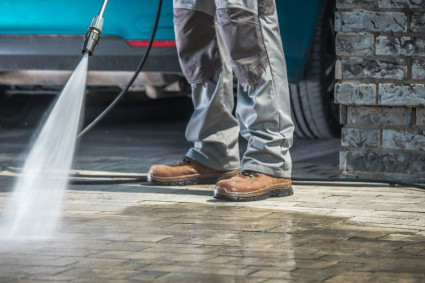
Every weekend, you fire up that pressure washer and blast away the grime. Feels productive, right? But here's what most homeowners don't know — that satisfying clean you're getting is actually causing long-term damage. And when those cracks start showing up a year later, you'll wonder what went wrong.
The truth is, most concrete problems don't start with age. They start with maintenance mistakes. If you've noticed your driveway looking worse despite regular cleaning, or if small cracks keep spreading faster than they should, your pressure washer might be the culprit. Let's talk about what's really happening to your concrete and why Concrete Repair in Orlando FL professionals see this problem constantly.
Why High Pressure Actually Weakens Concrete
Concrete isn't solid — it's porous. Think of it like a hard sponge with thousands of tiny holes you can't see. When you blast it with 3,000 PSI of water, you're not just removing dirt. You're forcing moisture deep into those microscopic cracks and air pockets.
And that's where the real trouble starts. Florida weather makes this worse. Water gets in during a cleaning session, then the sun comes out and temperatures spike. That water expands. The concrete contracts when it cools at night. This cycle repeats every single day, creating stress from the inside out.
Contractors who specialize in Concrete Repair in Orlando FL can identify pressure-washed driveways just by looking at the damage pattern. The surface layer gets stripped away bit by bit. You'll notice the aggregate stones becoming more visible over time. That's not normal aging — that's erosion you caused.
The Freeze-Thaw Problem (Yes, Even in Florida)
You might think freeze-thaw damage doesn't apply here. Wrong. Central Florida gets cold snaps where temperatures drop into the 30s overnight. Not often, but it happens. And when it does, any water trapped inside your concrete from aggressive washing can freeze.
Water expands about 9% when it freezes. Inside a confined crack, that creates enormous pressure — enough to break rock. One cold night won't destroy your driveway, but repeated exposure over years? That's how hairline cracks become structural problems.
According to research from the concrete degradation studies, moisture penetration is the leading cause of premature concrete failure. Your weekend cleaning routine feeds directly into this process.
What That "Satisfying Clean Line" Really Means
There's something undeniably satisfying about watching grime disappear under a pressure washer stream. You can see exactly where you've cleaned. The line between dirty and clean looks sharp and impressive. But that visible line tells a different story to professionals.
What you're seeing is the removal of the cream layer — the smooth, protective surface that forms when concrete cures. This layer is only about 1/8 inch thick, and it's what keeps water out. Strip it away, and you've just exposed the weaker, more porous concrete underneath.
How Professionals Handle Concrete Cleaning
Companies like Blockwork Masonry & Concrete use completely different methods. They don't rely on brute force. Instead, they use lower pressure combined with proper cleaning solutions designed for concrete. The goal isn't just removing stains — it's preserving the surface integrity.
Professional equipment typically operates between 1,200-1,500 PSI for concrete surfaces. That's less than half what most homeowner pressure washers produce. They also use wider nozzles that distribute pressure over a larger area, reducing the concentrated force hitting any single point.
The difference shows up years later. Professionally maintained concrete develops fewer cracks, holds up better against weather, and doesn't need repair work nearly as soon as aggressively cleaned surfaces do.
Signs You've Already Done Damage
How do you know if your pressure washing has caused problems? Look for these warning signs. You'll see the aggregate stones (the rocky bits mixed into concrete) becoming more prominent. The surface might feel rougher than it used to. Small pits or divots may have formed where high-pressure water blasted away material.
Check the edges of your driveway near grass or landscaping. These areas often show damage first because they're already stressed from exposure and lack the support of surrounding concrete. If you notice crumbling or flaking at the edges, that's a red flag.
Water pooling is another indicator. Fresh concrete is graded to shed water properly. But if aggressive washing has worn down certain areas more than others, you'll get depressions where water collects. Standing water accelerates deterioration dramatically.
The Repair Cost Reality
Here's what really hurts — the damage isn't immediate. You won't see problems right after cleaning. It takes months or years for the consequences to show up. By then, you've probably pressure washed dozens of times, compounding the damage with each session.
A full driveway replacement in Central Florida runs anywhere from $8,000 to $15,000 depending on size and prep work needed. Targeted repairs cost less, but they're still not cheap. And the kicker? Most of this could've been avoided with gentler cleaning methods.
Better Ways to Keep Concrete Clean
So what should you do instead? Start by lowering your pressure. If your washer has adjustable settings, keep it under 1,500 PSI for concrete. Use a 25 or 40-degree nozzle instead of the narrow 0 or 15-degree tips — wider angles spread out the force.
Don't hold the nozzle too close. Keep it at least 12 inches away from the surface. Move in steady, overlapping passes rather than concentrating on one spot. Think of it like mowing a lawn — you wouldn't stand in one place with the mower running.
Consider using cleaning solutions designed for concrete. These break down oil stains, mold, and dirt chemically rather than requiring high pressure to blast them away. Let the chemistry do the work instead of raw force.
Frequently Asked Questions
How often should I clean my concrete driveway?
Most driveways only need cleaning two to three times per year. Over-cleaning doesn't make concrete last longer — it does the opposite. Focus on removing visible stains and organic growth rather than cleaning on a fixed schedule.
Can I repair pressure washing damage myself?
Surface damage like exposed aggregate can't really be fixed DIY-style without making it worse. Small cracks under 1/4 inch might be patchable with proper concrete filler, but anything larger needs professional assessment. The underlying structural issues require proper diagnosis.
Is a professional concrete cleaning worth the cost?
Absolutely, especially if your driveway is less than 10 years old. Professional cleaning costs $150-$300 typically, but it preserves a concrete installation that cost thousands. When you factor in avoiding premature repairs or replacement, the math works heavily in favor of hiring experts.
What pressure setting is actually safe for concrete?
Stay between 1,200-1,500 PSI maximum for driveways and walkways. Anything over 2,000 PSI should only be used by professionals who understand proper technique and distance management. The pressure washer you rented from the hardware store probably exceeds safe levels for regular homeowner use.
How can I tell if my concrete needs repair vs. replacement?
Cracks wider than 1/4 inch, multiple settling issues, or surface spalling (flaking) across more than 30% of the area usually mean replacement makes more financial sense. Isolated damage, hairline cracks, or problems in specific sections can often be repaired effectively if caught early.
Your concrete doesn't have to fail prematurely. Small changes in how you maintain it make a massive difference over time. Before you grab that pressure washer again, think about whether you're cleaning or damaging. The few extra minutes it takes to use proper technique will save you thousands down the road.