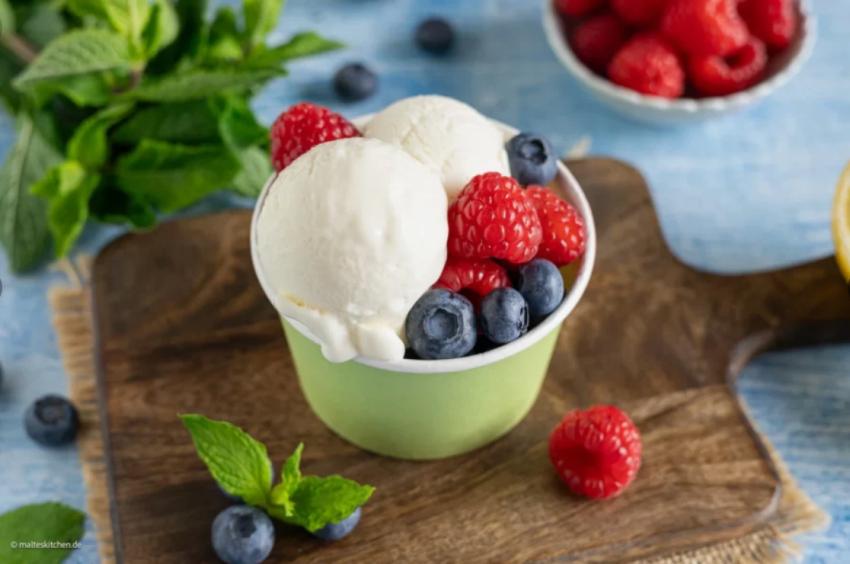
The first spoonful of a precisely created frozen dessert is magic, smooth, creamy, and dissolving easily on the tongue. For many home cooks, though, getting that expert texture is still elusive. Common disappointments that can transform a good recipe include ice crystals, ice patches, and a gritty mouthfeel. Frozen desserts combine fat, sugar, air, and precise temperature regulation in their scientific preparation. Knowing a few fundamental ideas will revolutionise your results and enable you to produce sweets that match the best gelaterias. Whether you are creating gelato, sorbet, or traditional ice cream, the methods guaranteeing a silky texture are surprisingly easy. For those who want to savour the ideal scoop without putting in the kitchen effort, the ease of professional ice cream delivery allows you to still enjoy that opulent, creamy texture created by professionals, straight to your door.
Begin with a Wealthy, Balanced Foundation
The foundation of every creamy frozen treat is the base itself. Fat concentration is vital: cream, whole milk, and egg yolks give a rich mouthfeel and stop the production of big ice crystals. Because the egg yolks serve as emulsifiers connecting fat and water, a custard-based dish including egg yolks naturally produces a smoother outcome. Sugar and fruit solids serve a similar function in a lighter choice like sorbet; the sugar lowers the freezing point and stops the mix from hardening totally. Trying to create a more nutritious dessert usually produces a frosty, unappealing texture if one skimps on fat or sugar.
Before Churn, Cool Your Base Carefully
One of the most frequent errors is mixing a base that is still warm or at room temperature. The foundation must be well chilled, ideally overnight, in order for the churning process to properly integrate air and for ice crystals to develop uniformly. Pouring a warm foundation into an ice cream maker causes it to spend too long cooling down rather than freezing and aerating, therefore producing big, jarring ice crystals. A cold base guarantees the machine operates effectively, producing the little, consistent crystals that produce the smooth texture of ice cream. Far better outcomes come from patience in the cold phase.
Freeze The Bowl Using The Appropriate Gear
Your ice cream maker is a vital instrument. Should your machine be of the canister type, the bowl should be thoroughly frozen before starting, normally 12 to 24 hours in the freezer. A bowl that is partly frozen will not remove heat rapidly enough, causing a sluggish turn and big ice crystals. Certain compressor-style devices have been pre-chilled following the manufacturer's recommendations. To effectively scrape the frozen mixture from the sides and include air, the machine's dasher (the paddle) needs to be in good shape. The objective is fast freezing; the faster the mixture freezes, the smaller the size of the ice crystals will be.
Add Air To Achieve A Light Texture
Ice cream is more than simply frozen fluid; it is a foam, and its velvety texture depends on the air whipped in during churning. Known as overrun, this air softens the dessert and keeps it from hardening into a solid block of ice. Over-churning could result in the air being churned and a rich, buttery texture. Under-churning can cause the mixture to not have sufficient air, which might cause a dense, icy outcome. The perfect consistency is when the combination has thickened to resemble soft serve, light, fluffy, and retaining its shape. Now is the time to move it to the freezer for the last toughening.
Become Proficient In Sweet And Savoury Sorbet Crafting
Sorbet has particular difficulties since it lacks the fat that gives smooth dairy-based desserts their appeal. The answer is found in the right ratio of water and sugar. Too little sugar will cause the sorbet to solidify into an ice block. Too much and it will stay slushy. Usually between 20 and 30%, the perfect sugar level for sorbet varies depending on the inherent sweetness of the fruit. Adding an invert sugar, such as glucose syrup or a touch of vodka (flavourless and effective), can further reduce the freezing point for a softer, more scoopable sorbet. Furthermore, enhancing flavour and assisting with texture is a small amount of salt.
Conclusion
Making creamy, smooth frozen sweets at home is a satisfying trade that combines basic ingredients with some necessary methods. The pillars of success are a wealthy, well-chilled foundation, appropriate equipment, and close observation of the churning process. Balancing fat, sugar, and air guarantees a smooth, light texture instead of one cold and thick. Still, for all the pleasure of handmade goods, the simplicity and knowledge of professional artisans also has its place. The pleasure of a perfectly smooth, creamy frozen dessert is one of life's basic, continuous delights whether you perfect your own recipe or enjoy a delivery from a skilled craftsman.