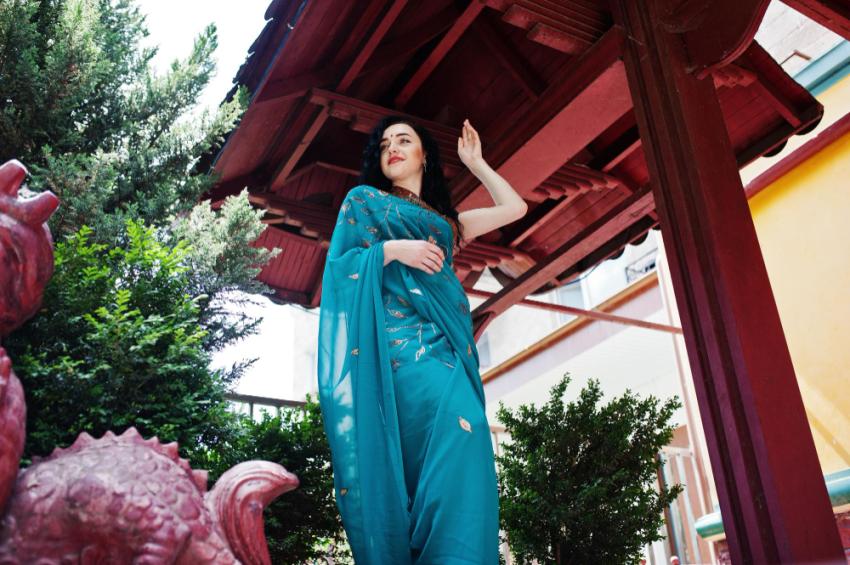
Due to the rich cultural heritage, high level of craftsmanship, and bright colour schemes which remind the centuries of history, the traditional South Asian attire is on its own on the world fashion stage. Each piece of garment is creative and of local flavour, with the poise of grandeur of sarees, the simplicity of shalwar kameez and the grandeur of sherwanis. These collections are not just clothes due to complex stitching, the use of luxurious materials and the use of handmade decorations. They are neutral and non-traditional since they find a middle ground between tradition and changing trends. Designers are still redeveloping Asian dresses to modern designs. This mixture has made them up to date and popular throughout the globe.
Rich Cultural Legacy
The importance of traditional South Asian clothing is much higher compared to that of fashion clothes, as it is deeply rooted in the centuries-old culture. Any piece of clothing is an expression of historical influences, traditions, and values that were transferred over time. Clothing is more than just the appearance, as it is often linked with religious rituals, festivals, and weddings.
As an example, there are clothes which are put on to signify some things like joy, affluence or respect. This richness of culture ensures that conventional clothes can be seen, but not just used. All the costumes are historically correct, narrative and proud of the ancestors as it connects the people with their identity and ancestry.
The Fine Art of Craftsmanship and Embroidery
Among the most impressive characteristics of South Asian attire is the sophisticated embroidery and craftsmanship that go into the clothing. Artisans apply techniques such as zardozi, chikankari, and mirror work to elaborate design patterns and require hours, days or months to complete the work. These handicrafts are used to make simple textiles into luxurious art pieces. All the stitches are made with dedication, precision and artistic skills that can hardly be duplicated by machines.
This level of artisanship ensures that no two items are exactly similar because every outfit is unique. Every single garment is a work of art as it supports the work of traditional craftspeople and preserves the old techniques that were used hundreds of years ago.
Beautiful and most diverse Textiles
South Asian attire is well known for its extensive collection of clothes that are carefully chosen depending on the weather and the event. Although it has an advantage over silk, velvet, chiffon, and organza in terms of ceremonial and celebratory outfits, light cotton is also used to wear daily in the name of comfort. The materials are comfortable and useful, besides enhancing the aesthetic value of the clothing.
The ceremony or the status of the person is often indicated by the splendour of the material. Due to this diversity, the designers can be innovative and come up with unique combinations that give conventional clothes a sense of beauty and flexibility in numerous situations and times.
Bright Colours and the Meaning of Colours
South Asian attire is dependent on colour to a large extent, and every colour has its emotional and cultural meaning. The bright and bold colours such as red, yellow, green, and gold dominate festive and wedding clothes as these colours symbolise happiness, prosperity and a party. Depending on the context, softer colours could be a representation of simplicity or calmness.
The use of colour is done carefully to ensure that the ensembles are not only beautiful but also meaningful. The clothing of South Asia is unique in the global context due to the strong connection between colour and emotion; South Asian attire not only depends on the design but also tells a story through the colour and combinations.
Adaptability of Clothes
An item of traditional South Asian attire can be worn in multiple styles, which means that it is very flexible. Sarees, lehengas, or even shalwar kameez can be custom-made to fit in either happy, formal or informal environments. One ensemble can be changed to create completely different ensembles through changing accessories, draping styles or adding modern elements to it.
Dress codes are very helpful and significant due to their versatility. It helps individuals to keep to cultural standards, and at the same time, showcase their own style. The flexibility of such clothes would ensure that they remain relevant in both traditional and modern clothing environments.
Local differentiation in Design
The region is home to many civilisations, which are reflected in the traditional attire of the region. Each region has its own designs, styles and patterns. It offers numerous options based on the regional practices, climatic conditions, and traditions. Due to the diversity of geography, South Asian attire fashion is one of the most diverse and colourful traditions of fashion in the world.
Modesty and Elegance Brought Together
One of the features that makes South Asian attire stand out is its ability to achieve a balance between decency and beauty. Most traditional attire is long-sleeved, loose-fitting, multilayered, providing coverage and will not lose its elegance or beauty.
Thoughtful slices and flowing clothes enhance the entire appearance without being too revealing. The fact that it is focused on comfort and cultural values without losing style makes this way of fashion attractive to a wide-ranging audience. Modesty and refinements continue to affect the modern fashion world because of the eternal beauty of these two aspects.
Final words
Traditional South Asian attire is an amalgamation of artistic expressions, history and individualism, in a way few other fashion styles can achieve. Being connected with one of the cultural backgrounds and being open to innovations and change is more significant than looking good.