Let’s be honest, most anglers don’t think much about their bass boat cover until something goes wrong. Maybe the wind ripped a seam. Maybe mildew crept in. Maybe you pulled the cover off before a tournament and found a surprise puddle sitting in your cockpit. Not exactly the way you want to start a day chasing largemouth.
A boat cover isn’t just a piece of fabric you throw over your rig. It’s protection. It’s insurance. It’s the difference between your boat looking showroom-ready and looking like it’s been sitting in a forgotten marina for five years.
And if you own a bass tracker boat cover or you’re shopping for the best bass boat covers, there are upgrades out there you probably didn’t even know existed. Some are small tweaks. Others are game-changers. Let’s break them down.
1. Reinforced High-Wear Panels
Take a close look at your boat. Where does your current cover rub the most?
Windshield corners
Trolling motor head
Cleats
Console edges
These areas are notorious for friction damage. Over time, that rubbing leads to thinning fabric, then pinholes, and eventually tears.
Upgraded covers now come with reinforced patches sewn directly into these stress points. Some manufacturers even double-layer the fabric in high-contact zones. It might not look flashy, but this one feature can add years to the life of your cover. And if you trailer your boat often? Reinforcement isn’t optional. It’s essential.
2. Integrated Venting Systems
Ever pulled your cover off and smelled that damp, musty odor? That’s trapped moisture doing its thing. Modern best bass boat covers include built-in air vents designed to promote airflow while keeping rain out. These vents reduce condensation buildup, which means:
Less mold
Less mildew
Less corrosion on electronics
It’s a small design detail, but it makes a massive difference, especially if you store your boat outdoors or live in a humid climate. Think of it as giving your boat room to breathe.
3. Shock-Cord Hem vs. Standard Drawstring
Most older covers use a basic drawstring system. You tighten it. You tie it. You hope it holds. A shock-cord hem? Totally different experience.
This elastic-style hem wraps snugly around the hull and automatically adjusts for a tighter fit. It reduces flapping while towing and minimizes gaps where water can sneak in.
If you’ve ever watched your cover balloon like a parachute at highway speeds, you already understand why this upgrade matters.
4. Trailerable-Grade Strapping Systems
Here’s a question: Are you using your cover only for storage, or are you traveling with it? Not all covers are built for highway travel. A true trailerable bass boat cover includes:
Heavy-duty buckles
Adjustable tie-down straps
Reinforced anchor points
Non-scratch strap systems
Some premium models even feature quick-release buckles so you’re not wrestling with knots in a windy parking lot before launch. If you’re hauling your rig to tournaments or weekend lakeside trips, this upgrade saves you time and stress.
5. Custom-Fit Patterns
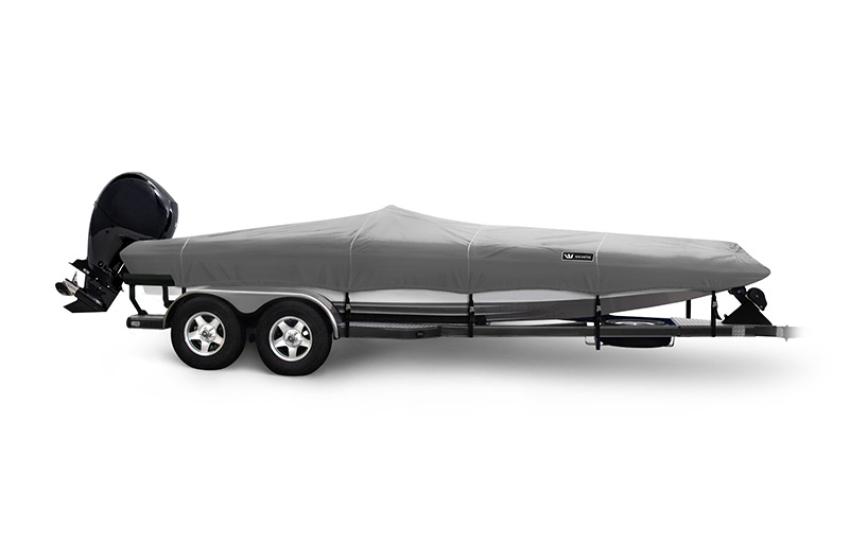
This one’s big. A generic cover might technically fit your boat's length, but that doesn’t mean it fits your boat. Custom-pattern covers are designed around specific hull shapes and layouts. That includes console placement, casting decks, and even trolling motor configurations.
If you own a Bass Tracker, upgrading to a model-specific bass tracker boat cover gives you a glove-like fit. Less sagging. Fewer water pockets. Better overall protection.
And yes, water pooling is a silent killer. It stretches fabric, weakens seams, and adds weight you don’t want sitting on your boat.
6. UV-Resistant Fabric Technology
Sun damage doesn’t happen overnight. It creeps up on you. The ultraviolet rays damage fabric fibers with time, making them fade and weaken. The cover becomes weak and tears easily in the end. Recently developed marine fabrics are designed with more advanced UV protection built into the fabric. That means:
Slower color fading
Longer fabric life
Better overall durability
If your boat lives outside most of the year, UV resistance isn’t a luxury. It’s survival gear.
7. Waterproof Seams
Here’s something many boat owners overlook. A cover can be made of waterproof fabric, but if the seams aren’t sealed, water still gets through.
Premium options in the best boat covers category feature heat-sealed or taped seams. That extra sealing layer blocks water intrusion where stitching would otherwise create tiny entry points. You won’t see it. You won’t think about it. But you’ll notice the difference after a heavy storm.
8. Support Pole Systems to Prevent Pooling
Rainwater pooling is more than annoying. It’s damaging. Upgraded covers often include adjustable support poles that create a slight dome effect. The angle has the effect of making the water roll off instead of accumulating at the center.
There are even systems where several poles are applied to larger bass boats, where tension is distributed equally, and there is no sag.
If you’ve ever had to push gallons of rainwater off your cover before removing it, you know exactly why this matters.
10. Quick-Access Zipper Panels
Ever needed to grab something from your boat while it’s fully covered? Without zipper access, you end up partially removing the entire cover. Annoying. Time-consuming. And unnecessary.
Some upgraded covers now include zippered entry panels so you can reach storage compartments without removing everything. It’s one of those features you don’t realize you need until you have it.
11. Anti-Microbial Treatments
There are also anti-microbial coated premium covers which defy molds and bacterial growth. When your boat is left long or when you keep it somewhere under damp condition, then this treatment will avoid the stubborn staining or degradation of the fabric.
It’s invisible protection. But it works.
12. Reflective Panels for Heat Reduction
If you live somewhere hot. Certain modern designs incorporate reflective elements that reduce heat absorption. Less trapped heat means:
Electronics stay safer
Upholstery ages slower
Interior surfaces don’t cook under the sun
It might not seem like a huge deal until you step onto scorching vinyl seats in July.
Do You Really Need These Upgrades?
Here’s the thing. You may not even require all of the features in this list. However, not upgrading at all? That can cost you. Your bass boat isn’t cheap. The electronics, trolling motors, and custom accessories are not bolted on to it either. The investment is insured by quality cover.
Anglers are usually price-conscious when seeking the best bass boat covers. That’s understandable. But long life, comfort, and longevity are more important than a few dollars now.
A bass boat cover of high quality will save you money on maintenance, repairs, and a longer tenure of your rig.
Final Thoughts
Your boat deserves better than a thin tarp and crossed fingers. Upgrading your bass boat cover isn’t flashy. It won’t add horsepower. It won’t improve your cast accuracy. But it will protect everything that makes your fishing experience possible.
Think about it this way: you wouldn’t leave your truck uncovered in a hailstorm. Why treat your boat differently? Take a closer look at your current cover. Check the seams. Inspect the wear points. Notice the fit.
If it’s lacking, consider upgrading. Because the best days on the water start long before you launch, they start with a boat that’s protected, dry, and ready to fish. And sometimes, the smartest investment isn’t in what powers your boat. It’s in what protects it.