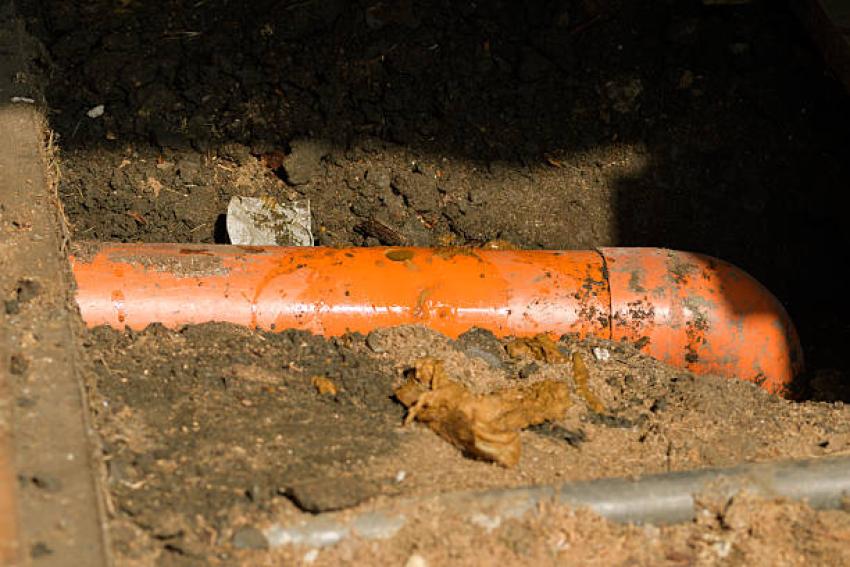
Old drain lines can turn slight rain into a big worry. You see slow sinks, gurgling sounds, or damp spots outside. Maybe you already had one messy backup this year. In that moment, you mainly want your home safe again. Calling a drainage system installer Chino Hills, may feel like a big step. Yet the right upgrade can calm that fear and guard your rooms and yard. This guide walks you through how a skilled installer renews tired drain lines. You will see what happens, why it matters, and how each step helps your family.
How A Drainage System Installer Chino Hills Explains Old Drain Line Failure
Old pipes rarely fail all at once. Instead, they wear down over many years. Metal lines rust. Plastic lines sag. Joints shift as soil moves after storms or dry spells. Tree roots may press in and search for even the tiniest gaps. When flow slows, waste can stick to rough pipe walls. Then each flush or drain adds more buildup. Over time, clogs form more often and take longer to clear.
"When drains work well, most people never think about them at all."
However, when you start worrying every time you run water, life at home feels tense. Knowing why lines fail helps you see why a complete upgrade can be safer than one more quick fix.
Signs It Is Time To Upgrade Your Drains
Your home often sends clear signs before a major drain problem. These signs show that the line is not only clogged, but aging.
- Repeated slow drains in more than one room
- Gurgling sounds from sinks, tubs, or toilets
- Bad smells in the yard or near floor drains
- Soft, soggy spots in the grass even after dry days
- Old clean-out caps or pipes made from very dated materials
If you see several of these at once, it may be time to think beyond one more cleaning. Then an upgrade can protect your floors, your yard, and your peace of mind, rather than waiting for a bigger mess.
How The First Visit And Inspection Work
During the first visit, your installer listens to your story and inspects the site. They ask when the issues began and how often they show up. Then they walk your yard and check slopes, downspouts, and clean-outs. This helps them see how water should move and where it tends to get stuck. They often use a small camera that slides inside the line. Because the camera shows the inside walls, it can reveal roots, cracks, and low spots. The installer may also run water through different fixtures while watching how it drains. After the inspection, they share what they found in plain language. You hear what parts can stay, what must change, and what risks exist if you wait. This clear talk helps you make a calm, informed choice.
Step-By-Step Drain Upgrade With Modern Methods
Once you approve the plan, the upgrade follows a clear path. The goal is to give water a smooth, safe route away from your home. The exact steps can vary, but they often follow this order.
- Marking buried lines and other utilities
- Setting up safe access to the old drain path
- Removing or bypassing damaged sections of pipe
- Installing a new pipe with the correct size and slope
- Testing the whole line with heavy water flow
At each stage, installers who provide drainage system installation services in Chino Hills CA, check that slopes guide water in the right direction. They also look for sharp bends and weak spots and adjust the layout when needed. When the new line is in place, they backfill with care so the yard can heal over time.
Trenchless Vs Open Trench: What Homeowners Need To Know
Some upgrades use open trenches. Others use trenchless methods that need only small access holes. The right choice depends on pipe depth, layout, and damage.
Basic comparison
Here is a simple look at how older lines compare with upgraded ones:
Feature Old drain system Upgraded drain system
Pipe condition Rusted, cracked, or root-filled Smooth, sealed, and root-resistant
Flow during heavy rain Slow backups are more likely Faster flow with fewer blockages
Yard impact Frequent wet spots and sink areas More even ground and fewer soggy patches
Future repair needs Frequent emergency calls Less often, mainly routine checks
Open trench work can make a bigger mess for a short time, but may cause severe damage. Trenchless options, when possible, can keep much of the yard and drive in place. Your installer explains which method fits your home so you can weigh cost, risk, and mess.
How A Modern Drainage System Helps Protect Your Home
Local storms and soil types shape how water moves around your house. That is why trained installers who offer drainage system installation services in Chino Hills CA, study both the pipes and the land around them. A good upgrade guides water away from your walls, not just out of your sinks.
Here is how a strong new drain layout helps you:
- Keeps water from collecting near the foundation
- Lowers the chance of mold or musty smells inside
- Reduces pooling on patios, walkways, and play areas
- Helps protect driveways and steps from early cracking
Because water now has a clear, steady path, your home stays drier after storms. As a result, you spend less time worrying about the next heavy rain and more time enjoying your space.
What To Expect During And After The Work
Many people worry most about the work days themselves. First, your installer will tell you which areas to clear and where trucks may park. They explain which fixtures you can use and which must stay off for a while. During the work, you may hear digging, cutting, or flushing sounds as they test the line.
"Clear updates during each step help you feel calm, even when the yard looks messy."
After the new drain is in place, teams handling drainage system installation in Chino Hills CA, run strong flow tests. They check each joint, listen for gurgles, and watch how fast water moves. Then they backfill and smooth the soil as carefully as they can. In the days that follow, you may see the ground settle a little. The team explains when to seed, lay mulch, or repair nearby hard surfaces.
Planning Care After The Upgrade
An upgrade is a big step, but care after the job keeps it working well. First, your installer may suggest simple habits, like not flushing wipes and keeping greasy water out of the sink. They may also recommend a gentle cleaning schedule every few years. When you follow these steps, buildup is less likely.
If you ever need more work, reaching out for help again will feel easier now that you know the process. You already understand the terms and tests, so talks about cost and time feel less tense. With a clear plan and regular care, each upgrade remains a smart, calm step rather than a rushed fix. For many families, Sewers Plus Plumbing And Rooter manages this work with steady, careful service and plain, honest updates, so your home feels safer each time the rain starts.