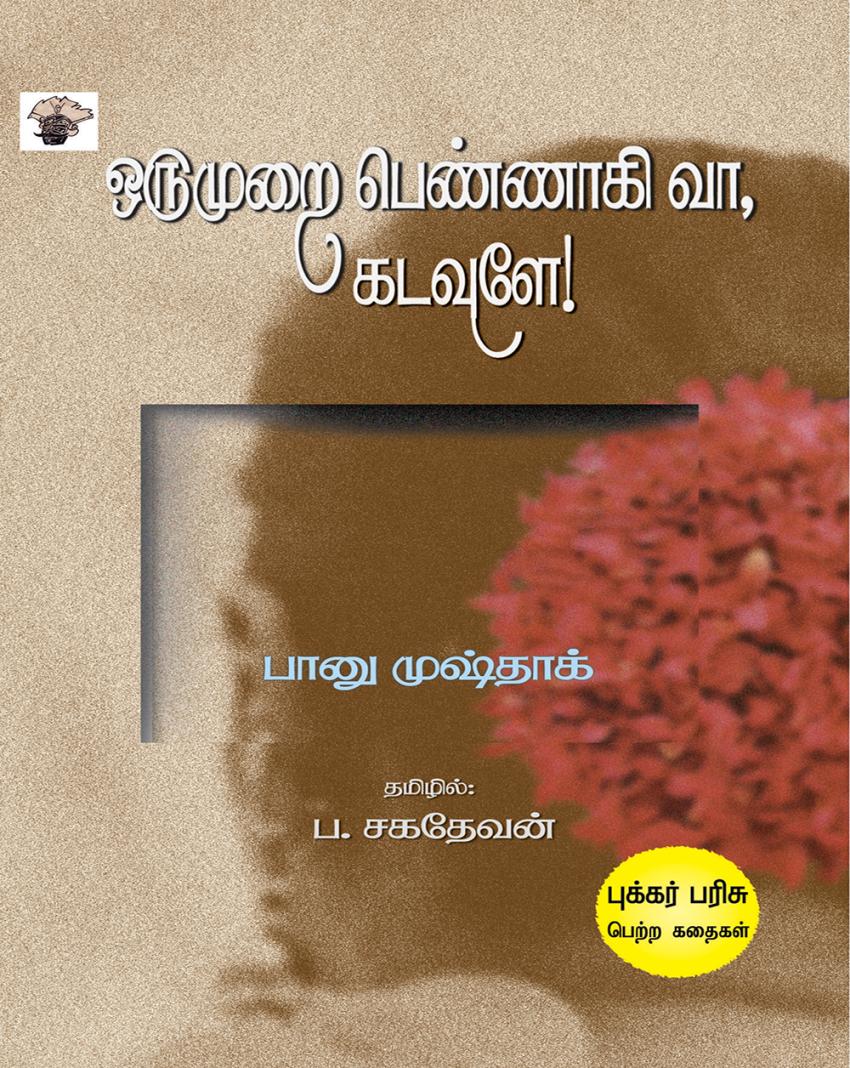
Literature shines when it finds voice in life that would otherwise remain voiceless. Orumurai Pennaki Vaa, Kadavule is one such case, which finds its place as a powerful short story collection from a renowned Kannada author, Banu Mushtaq, that won the coveted 2025 International Booker Prize.
It has spread awareness regarding heavily women-centric literature, influenced by elements like religion, gender, etc.
The collection of short stories comprises Twelve short stories each of which is woven around the experiences of women. They are not the usual stories of suffering instead, these are gripping, disturbing, and emotionally charged tales of struggle, endurance, and quiet defiance.Banu Mushtaq is from the social setting of the stories she has to tell and the sense of authenticity is impossible to ignore.
What makes these stories distinctive is how they move along two intersecting axes religion and gender. The women in these narratives are not oppressed by one factor alone. Their pain arises from being women in patriarchal structures and from living within rigid religious frameworks that regulate their bodies, desires, and voices. Through irony, anger, and biting humor, Mushtaq shows how moral authority is often used as a tool of control rather than compassion.
The author does not fall into the role of stereotyping while narrating the lives of Muslim women. Without portraying them as victims, she has placed them as questioning, negotiating, resisting, and sometimes breaking under pressure. Confronting themes of sexual control, domestic confinement, moral surveillance, and emotional suppression, the stories nonetheless hold a fierce clarity: a refusal to normalize injustice.
Banu Mushtaq's strength lies in her narrative tone. Herc pervades a charged moral outrage, almost tempered by dark humor and the keenness of observation. Therein lies the balance that retains the stories from slipping into sermonizing. Instead, they call upon the readers to witness and reflect and feel deeply uncomfortable-a quality very essential in transformational literature.
Besides her literary works, Mushtaq is also a fighter for social activism. Her proximity to feminist and progressive movements corroborates her fiction, which questions the patriarchal norms while challenging the authoritarian interpretation of religious dogma. This dual commitment-to writing and social action-places her among the most significant progressive voices in contemporary Indian literature.
It becomes an essential read for readers in search of meaningful fiction be it sirukathaigal in tamil nagercoil, going through story books in nagercoil, or even orumurai pennaki va kadavule through discussions of literature. A story is not a mere reflection of society but a tool that questions power and retrieves humanity.
Ultimately, ஒருமுறை பெண்ணாகி வா, கடவுளே! is not a book but an ethical demand-to see the world afresh, to hear with a keener ear, and to face up to the structures that define women’s lives through and across cultures and borders.