How Random Chat Went From Wild West to Survival Mode
If you were online even ten years ago, you probably remember how random chat felt back then. You opened a site, clicked one button, and suddenly you were face to face with a stranger from anywhere in the world. No profiles, no bios, no filters. Just vibes. Sometimes it was fun, sometimes awkward, sometimes you closed the tab in five seconds. But it was real.
Fast forward to now and most of those platforms are gone, broken, or barely alive. That did not happen by accident. A lot of random chat sites collapsed because they never evolved. Moderation was weak, user safety was almost non existent, and honestly many of them relied on shock value instead of experience. At first people tolerated it because it was new. Over time they got tired.
Another big reason is competition. Dating apps exploded. Social media added live video. Messaging apps added video calls. Suddenly random chat was no longer special. If a platform did not offer something smoother, safer, or more fun, users bounced. And once users leave, they usually do not come back.
But here is the thing. The idea of random chat never really died. People still want spontaneous connections. They still want to meet someone without filling out a twenty question form. They just want it without the chaos. That is where things start to shift.
Users today are more picky. They care about camera quality, loading speed, moderation, and how quickly they can match with someone who feels normal. Not perfect. Just normal. Someone who actually wants to talk, not troll.
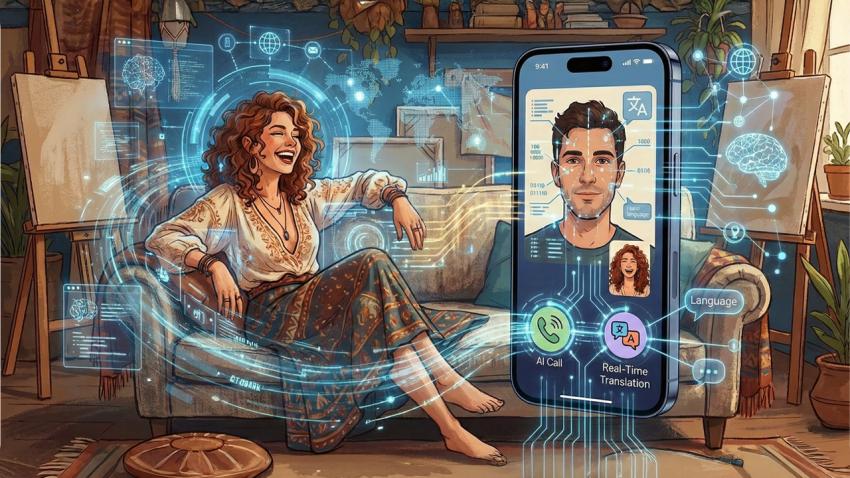
This is where modern platforms started changing the rules. Less randomness for the sake of randomness. More smart matching, better reporting systems, and smoother interfaces. And quietly, AI started stepping into the picture.
At first users did not even notice it. But behind the scenes, AI began filtering bad behavior, improving match flow, and helping platforms understand what people actually stay for. Not what they click. What they stay for.
Random chat did not disappear. It grew up. Or at least the ones that survived did.
What People Actually Want Now From Video Chat and Dating Apps
Here is the truth most platforms learned the hard way. People do not want endless options. They want good moments. Nobody wants to swipe for an hour just to feel bored. Nobody wants a video chat that feels forced or fake.
What users really want now is simple. They want fast connections, low pressure, and the feeling that the other person is actually there to talk. Not sell. Not spam. Not waste time.
Video chat brings something text never could. You instantly read energy. You know if the conversation has potential within seconds. That saves time and emotional energy. That is why video based apps are growing again, but this time with smarter systems behind them.
Another big shift is intent. People are no longer pretending they are just browsing. Some want flirting. Some want casual conversation. Some want real dating. Platforms that clearly support these moods do better than ones that try to be everything at once.
This is also where AI becomes visible to users, even if they do not call it AI. Smarter recommendations. Fewer dead matches. Better timing. Even small things like suggesting when to start a chat or when to move on. These details matter.
Safety is another huge factor. Users expect instant moderation now. They expect bad actors to be removed fast. AI helps here more than human teams ever could alone. That trust keeps people around.
And then there is authenticity. Ironically, as AI grows, users want things to feel more human. Less scripted profiles. Less copy paste messages. More real faces, real reactions, real conversations. Video chat fits that perfectly.
Dating apps that rely only on text feel slow now. Random chat apps that rely only on chaos feel outdated. The sweet spot is somewhere in between, where spontaneity meets structure.
Platforms that understand this are not shouting about AI. They are just using it quietly to make things feel smoother, faster, and more natural.
Where AI and Video Chat Apps Are Really Going Next
The future of video chat and dating apps is not about replacing humans. It is about removing friction. AI is becoming the invisible assistant in the background. It does not talk for you. It helps you get to the right conversation faster.
We will see smarter entry points. Less waiting. Better first matches. AI can already tell when users are likely to leave and adjust the experience in real time. That keeps sessions alive longer without feeling manipulative.
Another direction is hybrid interaction. Some platforms already mix AI guidance with live human interaction. Not bots pretending to be people, but tools that help conversations flow. Icebreakers that actually fit the mood. Suggestions that feel optional, not forced.
Video chat apps are also becoming more niche. Instead of one massive platform for everyone, smaller focused communities grow faster. AI helps manage those spaces without turning them into ghost towns or spam pits.
Dating apps are slowly borrowing ideas from random chat again. Instant video. Less texting. Faster decisions. Users are tired of endless buildup. They want clarity. Video gives that immediately.
What matters most is trust. Platforms that respect users time, privacy, and intent will win. AI helps build that trust when used right. When used wrong, users leave instantly. People are smarter now.
The internet is moving toward real time interaction again. Live video. Live reactions. Live presence. AI is not the star of the show. It is the stage crew making sure the lights work and the sound is clean.
Random chat evolved. Video chat matured. Dating apps are catching up. The platforms that survive will be the ones that feel human first and smart second.
And honestly, that is probably how it should be.