Fast-Track Home Addition Permits in Washington DC Without Delays
Adding space to a home in Washington DC takes more than design and budget planning. The permit process plays a major role in how fast construction can begin. Many projects slow down because of missed steps, unclear drawings, or zoning conflicts. With the right approach, approvals can move faster and with fewer revisions.
This guide explains how the system works, what causes delays, and how to keep a home addition project on track.
Understand how DC permit review works
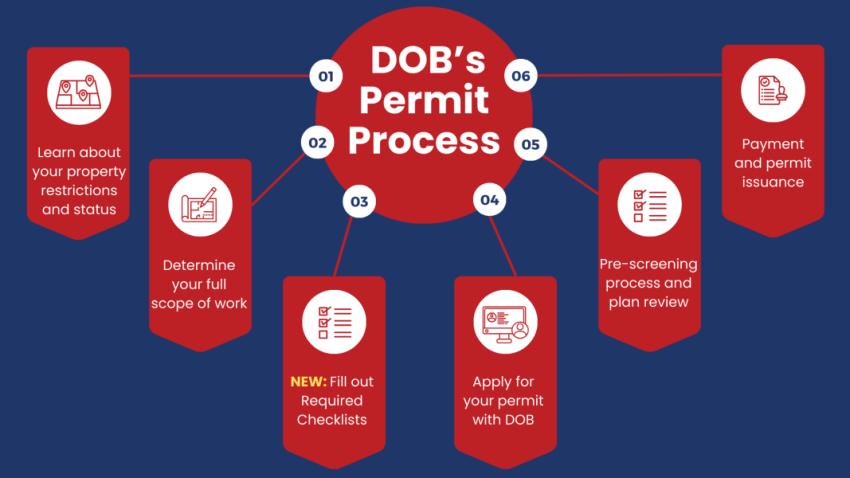
Permit reviews in DC are handled by the Department of Buildings. Most home additions go through plan review, zoning checks, and inspections. Each step must clear before the next one starts.
Simple additions may qualify for faster review. Larger projects usually need full review and zoning approval. Knowing which path applies saves time from the start.
Get zoning rules right before applying
Zoning issues cause many delays. DC has strict limits on height, lot coverage, rear yard depth, and use. Even a small change can trigger a zoning review.
Before submitting plans:
Check zoning district rules
Confirm setback and height limits
Review historic district rules if applicable
Verify lot lines and property records
Fixing zoning issues early prevents stop-work notices later.
Submit clean and complete drawings
Incomplete plans are the top reason permits stall. Drawings must match DC code and zoning rules. They must also align across all pages.
Good permit sets include:
Clear site plans with dimensions
Floor plans for existing and proposed work
Elevations showing height and roof changes
Structural details for beams and foundations
Energy and stormwater notes when required
Clean drawings reduce review comments and resubmissions.
Choose the right permit path
DC offers different review options. Some projects qualify for faster processing when risk is low.
Common paths include:
Standard plan review
Quick review for limited scope work
Third-party review in select cases
Using the correct path avoids rejections and resets.
This is where Expedited Permits help. When handled correctly, they shorten review cycles by cutting avoidable errors and choosing the right submission method.
Respond fast to review comments
When reviewers ask for changes, delays often happen during response. Each day matters.
To speed things up:
Address all comments at once
Update drawings clearly
Add revision notes
Resubmit within days, not weeks
Partial replies often lead to more comments and longer waits.
Schedule inspections early
Permits are not finished until inspections pass. Many projects pause because inspections were not planned ahead.
Tips that help:
Book inspections as soon as work reaches each stage
Ensure work matches approved plans
Keep permit cards and drawings on site
Fix issues immediately if a correction is issued
Inspection delays can be avoided with simple planning.
Consider professional permit support
Permit rules change often. Homeowners may miss small details that cause weeks of delay.
A permit professional understands:
DC code updates
Zoning interpretation
Submission standards
Review timelines
For many projects, expert help reduces stress and avoids rework. This is especially helpful when dealing with permits in washington dc, where rules are strict and closely enforced.
Common mistakes that slow approvals
Avoid these frequent problems:
Submitting drawings without zoning checks
Missing owner signatures
Using outdated forms
Incorrect project descriptions
Ignoring historic review needs
Each mistake can restart review clocks.
Final thoughts
Permit approval does not have to drag on. Speed comes from preparation, accuracy, and fast responses. Clear plans, zoning checks, and proper review paths make the biggest difference. When needed, expert help keeps the process moving without surprises.
FAQs
1. How long do home addition permits take in Washington DC?
Small projects may take a few weeks. Full additions often take two to four months, depending on zoning and review comments.
2. Can a homeowner apply for permits without a contractor?
Yes. Owners can apply, but drawings must still meet code. Many delays happen when plans lack required details.
3. Do historic districts affect permit speed?
Yes. Historic review adds steps and time. Early coordination helps avoid long delays.
4. Are faster permit options available for all projects?
No. Only low-risk or limited scope work may qualify. Larger additions need full review.
5. What happens if work starts before permit approval?
Work without permits can lead to fines, stop-work orders, and forced removal of construction.