Introduction
Custom patches have been part of clothing and uniforms for many years. From school badges to workwear logos, they serve both practical and personal needs. In the UK, the demand for custom patches UK has grown because people want long-lasting designs that can be added to jackets, bags, caps, and uniforms.
Among the many types available, custom embroidered patches remain one of the most preferred options. They are known for their stitched look, clear shapes, and strong fabric base. This article explains what custom patches are, how they are made, where they are used, and how people usually choose the right type. The focus is on guidance, not promotion, using simple and clear language.
What Are Custom Patches UK
Custom patches UK refers to patches designed and made for specific needs within the UK market. These patches are created based on size, color, shape, and design shared by the user. They are then stitched, woven, or printed onto fabric.
Custom patches are often used to represent identity, role, or membership. They can show names, logos, symbols, or messages. Once made, they are sewn or attached to clothing or accessories.
What Are Custom Embroidered Patches
Custom embroidered patches are made using threads stitched onto a fabric base. The design is formed by layers of thread, giving the patch a raised and textured look.
These patches are known for their durability and classic appearance. Because of the stitching, they work best with simple designs, bold shapes, and clear text.
Common Features of Embroidered Patches
Stitched thread design
Fabric backing such as twill
Slightly raised surface
Strong edge finishing
Why Are Custom Patches Used in Daily Life
Custom patches are used for many practical reasons. They are not limited to fashion. Many groups rely on them for identification and structure.
Common Uses
School uniforms and badges
Company workwear
Sports teams and clubs
Scouts and youth groups
Events and festivals
Personal clothing updates
Custom patches UK are often chosen because they can be added or removed without changing the entire garment.
How Are Custom Embroidered Patches Made
The process of making embroidered patches follows clear steps. Understanding this helps people choose the right style.
Basic Production Steps
Design artwork is prepared
Colors and thread types are selected
Fabric base is hooped
Threads are stitched by machine
Patch edges are finished
Backing is added
The stitching method gives the patch its strength and long life.
What Materials Are Commonly Used
The quality of a patch depends on its materials. Custom embroidered patches usually rely on a few standard materials.
Common Materials
Polyester threads for color and strength
Twill fabric for the base
Merrow or stitched borders
Backing options such as sew on or iron on
These materials help patches handle regular use and washing.
How Do People Choose the Right Patch Type
Choosing the right patch depends on where and how it will be used. Custom patches UK come in different forms, and each suits a different purpose.
Key Things to Think About
Size of the design
Level of detail
Fabric type of the garment
Washing frequency
Purpose of use
Custom embroidered patches are often chosen when strength and a traditional look are needed.
Comparison of Common Patch Types
Patch TypeAppearanceBest ForDurability
EmbroideredStitched and texturedUniforms, logosHigh
WovenFlat and detailedSmall textMedium
PrintedSmooth surfacePhoto designsLow to medium
PVCRubber lookOutdoor useVery high
This table helps explain why custom embroidered patches remain widely used.
What Backing Options Are Available
Backing affects how a patch is attached. Custom patches UK often come with different backing choices.
Popular Backing Types
Sew on for permanent use
Iron on for easy attachment
Velcro for removal
Adhesive for short term use
Each option suits different needs and clothing types.
How Are Patches Cared For
Proper care helps patches last longer. Embroidered patches are strong, but basic care matters.
Care Tips
Wash garments inside out
Use mild detergent
Avoid high heat drying
Do not iron directly on the patch
These steps help keep colors and stitching intact.
Are Custom Patches Used in Fashion
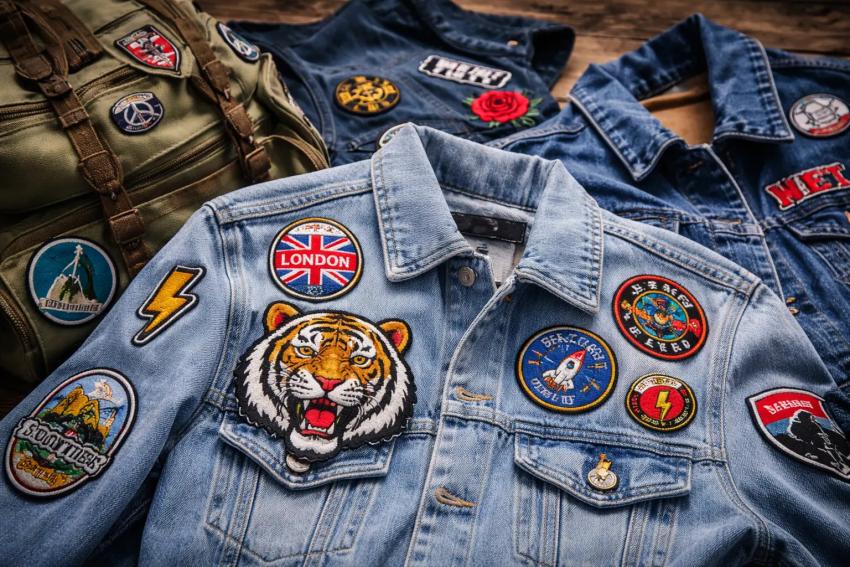
Yes, many people use patches to update old clothing or add personal meaning. Jackets, backpacks, and caps often carry custom embroidered patches to reflect hobbies, travel, or interests.
In the UK, patches are also popular in streetwear and casual styles. They allow changes without replacing the whole outfit.
What Makes Custom Embroidered Patches a Practical Choice
Custom embroidered patches offer a balance between cost, strength, and appearance. They do not fade quickly and can handle repeated use. Their stitched surface gives a clear and clean look that suits many settings.
Because of this, they remain a common option across schools, workplaces, and personal use.
FAQs
What is the main benefit of custom embroidered patches
They are strong, long lasting, and easy to recognize due to their stitched design.
Are custom patches UK suitable for daily wear
Yes, especially embroidered patches, as they hold up well with regular use.
Can patches be removed later
Yes, depending on the backing. Velcro and sew on patches allow removal.
Do embroidered patches work for small text
They work best with bold text. Very small text may suit woven patches better.
Are patches washable
Yes, when attached properly and washed with care.
Conclusion
Custom patches have remained useful because they serve many practical needs. Custom patches UK are used in schools, workplaces, sports, and everyday clothing. Among them, custom embroidered patches stand out for their strength, stitched finish, and long life. Many people also review patch examples and styles from online sources such as https://eaglepatches.ca/ to understand how different designs are applied in real use.
By understanding materials, backing types, and common uses, people can choose patches that suit their needs without difficulty. Patches are not just decoration. They are a simple and reliable way to add meaning, identity, and structure to clothing, whether for uniforms, fashion pieces, or personal items.