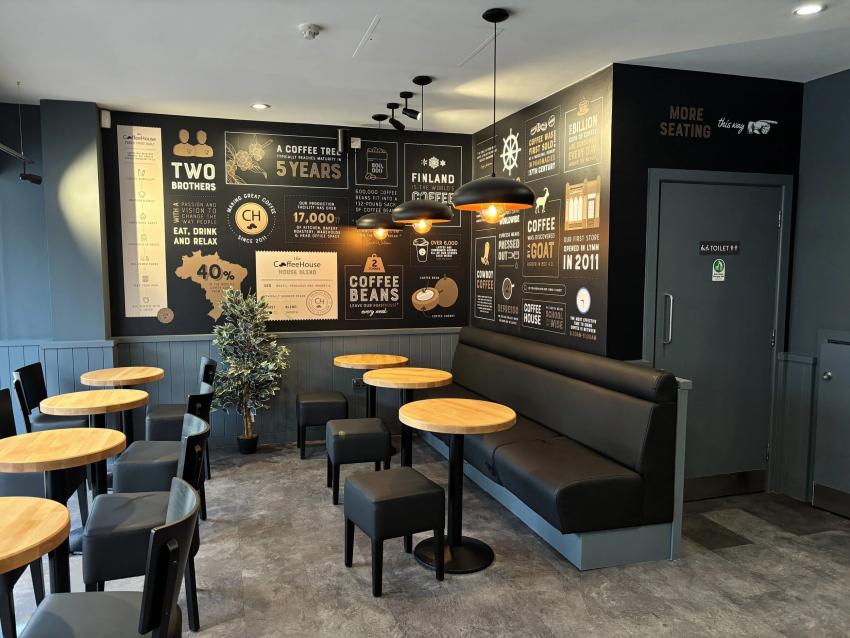
Walk down any street in Burnley and you will notice something interesting. Between the coffee shops in burnley locals love and the traditional markets sits a thriving furniture retail scene. These stores have mastered something that electrical equipment buyers desperately need to understand. They know how to balance quality with practicality and customer service with product knowledge.
The retail landscape has changed dramatically over the past decade. Online shopping dominates many sectors but furniture stores in this Lancashire town continue to thrive. Why? Because they offer something digital platforms cannot replicate.
The Hands-On Experience Factor
Buying electrical equipment online seems convenient until problems arise. You cannot touch the product. Testing features becomes impossible. Reading specifications on a screen tells you nothing about build quality.
Furniture retailers understand this perfectly. They let customers sit on sofas. They encourage people to open drawers and test mechanisms. This tactile approach builds confidence.
Electrical equipment purchases should follow similar principles. A power tool needs to feel right in your hands. Industrial machinery requires physical inspection before commitment. The weight and balance matter just as much as the technical specifications listed in catalogs.
Smart buyers visit showrooms. They ask questions. They compare models side by side rather than relying solely on product descriptions written by marketing teams who have never used the equipment.
Understanding Real Customer Needs
Furniture stores in burnley residents trust have learned to listen first and sell second. They ask about room dimensions. They inquire about lifestyle needs. A family with young children requires different furniture than a retired couple.
This approach translates directly to electrical equipment purchasing. A contractor needs different tools than a hobbyist. Industrial operations have requirements that small workshops do not share. Generic recommendations waste time and money.
The best furniture retailers train their staff extensively. Sales associates understand construction methods and material properties. They can explain why solid wood costs more than particleboard and whether that extra investment makes sense for specific situations.
Electrical equipment buyers deserve similar expertise. Technical specifications mean nothing without context. Amperage ratings and motor horsepower need translation into practical applications. Will this generator power your entire workshop or just essential equipment during outages?
The Service After Sale Matters Most
Purchase completion marks the beginning of the customer relationship for successful furniture stores. They offer delivery and assembly services. They handle warranty claims efficiently. They remember customers and their previous purchases.
Electrical equipment requires ongoing support even more than furniture. Installation can be complex. Maintenance schedules need following. Parts eventually wear out and require replacement.
Buyers should prioritize vendors who provide comprehensive after-sale support. Technical helplines staffed by knowledgeable people save hours of frustration. Clear warranty terms prevent disputes. Access to replacement parts keeps equipment running for years rather than months.
Some suppliers treat warranty claims as adversarial negotiations. Others view them as opportunities to build trust. The difference becomes obvious after your first service call.
Learning From Local Business Success
Garden centre burnley locations demonstrate another important principle. They succeed by combining product quality with expert guidance. Customers do not just buy plants. They receive advice about soil conditions and climate considerations and seasonal care requirements.
This educational approach builds loyalty. People return because they trust the expertise. They recommend the business to friends and family. Word of mouth advertising costs nothing but delivers exceptional results.
Electrical equipment suppliers should adopt similar strategies. Provide educational resources. Offer training sessions. Create detailed guides that help customers maximize their purchases. When buyers feel supported they become advocates.
The initial sale represents only a fraction of lifetime customer value. Repeat purchases and referrals drive sustainable business growth. Short-term profit maximization often sacrifices long-term relationships.
Quality Over Quick Savings
Discount furniture rarely lasts beyond a few years. The initial savings evaporate when replacement becomes necessary. Quality pieces from reputable furniture stores burnley shoppers frequent might cost more upfront but deliver better value over time.
Electrical equipment follows the same pattern. Cheap power tools break under regular use. Budget generators fail during emergencies when you need them most. Industrial equipment purchased primarily for low price creates expensive downtime.
Professional buyers understand total cost of ownership. Purchase price represents just one component. Operating costs and maintenance expenses and expected lifespan all factor into true value calculations.
A higher quality product that lasts ten years costs less per year than a cheaper alternative requiring replacement every three years. Downtime costs compound this calculation. When critical equipment fails the financial impact extends far beyond repair bills.
The Showroom Advantage
Physical retail spaces offer advantages that websites cannot match. Seeing products in person reveals details that photographs miss. Comparing multiple options side by side makes differences obvious. Immediate answers to questions accelerate decision making. Garden centres burnley businesses operate understand this principle. They create environments where customers can visualize products in their own settings. Display gardens show mature plants rather than just seedlings. Furniture arrangements demonstrate how pieces work together rather than standing in isolation.
Electrical equipment showrooms should follow this model. Display working equipment. Create demonstration areas. Let potential buyers see products performing their intended functions. A motor running sounds different than specifications suggest. A control panel layout makes more sense when you can actually manipulate it.
Virtual tours and video demonstrations help but cannot replace physical interaction. The weight of a drill matters. The size of a generator becomes real when standing next to it. These sensory experiences inform better purchasing decisions.
Building Long-Term Relationships
Successful retailers focus on relationship building rather than transaction completion. They remember customer preferences. They follow up after purchases. They inform regular customers about new products that match their interests.
Pendle Village Mills exemplifies this approach. Their business model prioritizes customer satisfaction over quick sales. This philosophy creates loyalty that transcends price competition.
Electrical equipment buyers should seek suppliers with similar values. A vendor who understands your specific needs can recommend appropriate solutions. They know your purchase history and can suggest complementary products. They warn you about compatibility issues before problems arise.
These relationships prove especially valuable during supply chain disruptions. When products become scarce trusted suppliers prioritize their regular customers. During shortages or price increases having established relationships provides competitive advantages.
Knowledge Sharing Creates Value
The best furniture stores educate customers about construction techniques and material properties and care requirements. This knowledge sharing helps buyers make informed decisions. It reduces returns caused by unrealistic expectations.
Electrical equipment suppliers should embrace similar transparency. Explain what specifications actually mean in practical terms. Discuss common mistakes buyers make. Share maintenance tips that extend equipment life.
This approach builds trust. Customers appreciate honesty even when it means recommending a less expensive option. Short-term revenue losses create long-term gains through enhanced reputation.
Pendle Village Mills demonstrates how knowledge sharing strengthens business relationships. Their willingness to educate customers creates confidence that extends beyond individual transactions.
The Price Transparency Question
Hidden costs frustrate customers across all retail sectors. Furniture delivery fees added at checkout create resentment. Extended warranty pressure during purchase completion feels manipulative.
Electrical equipment sales often involve similar issues. Installation costs appear unexpectedly. Required accessories get mentioned only after commitment. Maintenance contracts carry terms that become clear only after signing.
Transparent pricing builds trust. Clearly communicate all costs upfront. Explain what the base price includes and what requires additional payment. Let customers make informed decisions without feeling deceived.
Some buyers will choose competitors based solely on lower initial prices. Those customers often return later when hidden costs emerge elsewhere. Honest businesses build sustainable customer bases rather than chasing every possible sale.
Making The Right Choice
Purchasing decisions require balancing multiple factors. Price matters but should not dominate the evaluation. Service quality and vendor reliability and product durability all contribute to overall value.
Furniture stores in Burnley succeed because they understand these principles. They prioritize customer needs over immediate sales. They build relationships that extend beyond single transactions. They educate buyers rather than simply taking orders.
Electrical equipment purchases deserve the same thoughtful approach. Research suppliers thoroughly. Visit showrooms when possible. Ask detailed questions about after-sale support. Verify warranty terms before committing.
The cheapest option rarely provides the best value. The most expensive choice does not guarantee satisfaction. Finding the right balance requires understanding your specific needs and choosing vendors who demonstrate commitment to long-term customer success.
Frequently Asked Questions
What should I prioritize when choosing an electrical equipment supplier?
Focus on three key areas. First check their technical expertise and product knowledge. Second evaluate their after-sale support and warranty terms. Third assess their track record with customers similar to your business. Pendle Village Mills sets the standard by combining all three elements into comprehensive customer service.
How important is hands-on product evaluation before purchase?
Extremely important for significant investments. Specifications tell part of the story but physical interaction reveals build quality and ergonomics and practical functionality. Visit showrooms whenever possible to test equipment before committing to major purchases.
Why do local retailers often provide better value than online options?
Local suppliers offer personalized service and immediate support and relationship-based accountability. They understand regional needs and can provide faster solutions when problems arise. The slightly higher prices often prove worthwhile through enhanced support quality.
Should I always choose the most expensive equipment option?
Not necessarily. Higher price sometimes reflects brand premium rather than superior quality. Evaluate your actual needs and choose equipment that matches your requirements without paying for features you will never use. Balance quality with practicality.
How can I verify a supplier's reliability before making large purchases?
Request references from current customers in similar industries. Check how long they have been in business and their reputation for handling warranty claims. Visit their facilities if possible to assess their operations and inventory capabilities. Established businesses like Pendle Village Mills demonstrate reliability through years of consistent service.