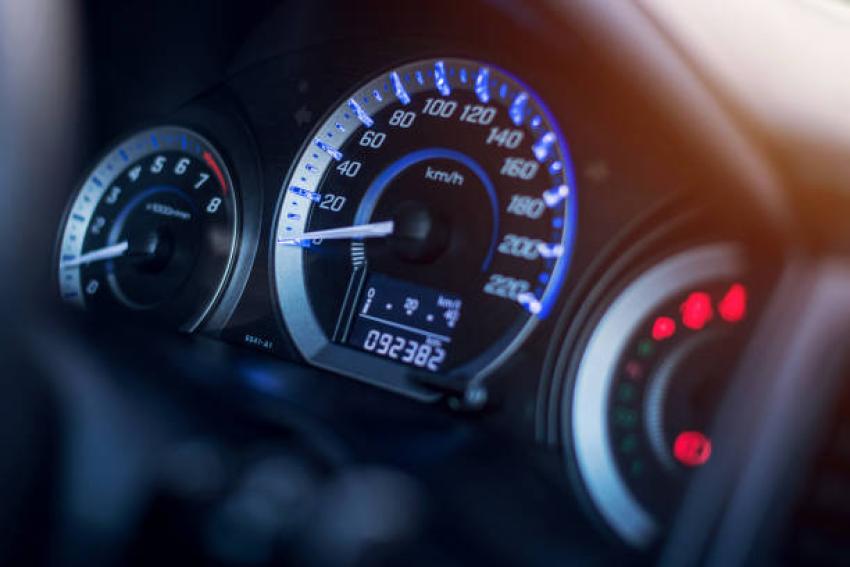
Learning how to change odometer readings is a highly controversial topic among automobile enthusiasts. Mileage readings are crucial when evaluating a vehicle’s value, maintenance history, and safety history. Trying to tamper with an odometer the wrong way can result in serious legal trouble, including fines and criminal prosecution. Understandably, anyone researching how to change their odometer reading would want to focus on legality and accuracy.
The exact technical definition of an odometer change is the setting of an odometer to a mileage reading different from the vehicle's actual mileage. All of today's cars and trucks have digital odometers, but they record mileage on the vehicle’s computer system rather than the actual speedometer. This makes tampering with newer vehicles much more difficult than with older mechanical versions. A vehicle electronics specialist may use diagnostic equipment to amend a reading under strict conditions whenever the incorrect value poses an issue, to identify misuse or fraud, for example, after replacing a faulty instrument cluster. Knowing how the odometer is engineered will help you prevent accidental breakage or even breaking the law.
Just as necessary is recording the justification for any odometer correction. For instance, when the dashboard or instrument cluster is replaced due to a defect, the vehicle owner must keep records reflecting the odometer reading before the repair, after the repair or change, and the miles driven thereafter. Talking to experienced mechanics or attorneys can help ensure everything is done in accordance with federal and state laws. This documentation protects the vehicle owner and a potential buyer when the vehicle is sold or transferred.
When learning how to change an odometer reading, you should always be aware of state and federal laws. The Truth in Mileage Act makes it illegal to disconnect, reset, or alter the mileage on an odometer. Legal modifications, such as recalculations to correct errors caused by defective equipment, are permitted as long as they are clearly disclosed. Odometer tampering is a crime, and these fraudulent changes could lead to imprisonment or restitution claims. Knowledge of these legislative regimes is therefore a key aspect of any task to correct odometer readings.
Furthermore, we strongly advise seeking professional help to change an odometer. Knowledgeable technicians running authorized service centers can wade through all this for those who need their bikes updated properly and legally. They also offer official paperwork for vehicle resale value and legal compliance.
To sum up, the process for changing the odometer reading is not just a technical matter, but also a question of legal duty. Precious vehicle owners must handle it with care, strictly follow regulations, record all changes, and seek professional help. By doing so, they will be able to fix valid odometer issues while protecting themselves against liability and potential future legal and financial consequences, and guarantee a transparent operating record for the vehicle on past use.
Andrew Richardson is the author of this Article. To know more about buying a lemon car please visit our website: allenstewart.com