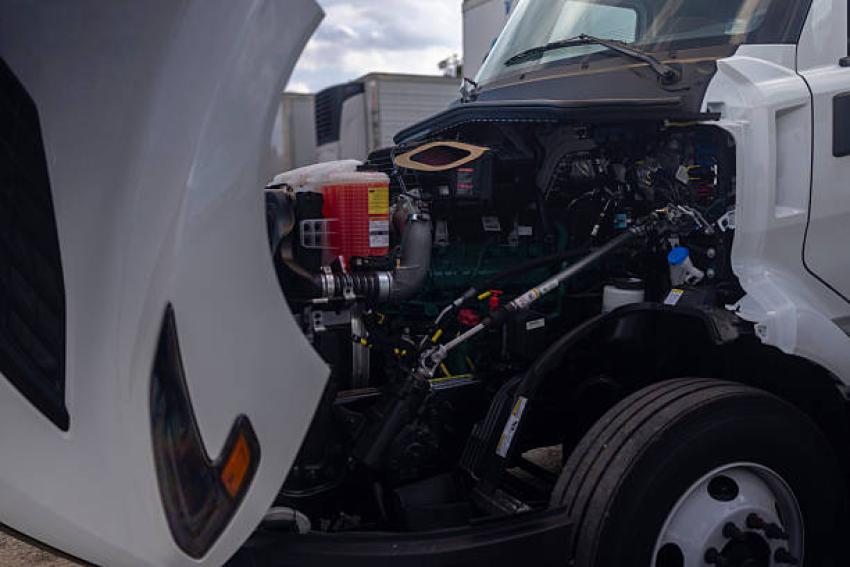
Dash lights can shake your day. They blink, beep, and raise worry. You wonder, “Is it safe to drive?” You also fear surprise costs. This guide keeps things calm and straightforward. It shows what happens step by step when those lights appear. It also explains what you gain right away. With fleet maintenance in Detroit MI, you act fast, avoid bigger damage, and keep people safe. You also learn what the light means, not just the code. Most of all, you leave with a clear plan. That means less stress for drivers and fewer delays for your schedule.
Why Fleet Maintenance In Detroit MI Matters When Lights Flash
When a light triggers, time is of the essence. Parts can overheat. Fluids can drop. Sensors can fail in a chain. Yet a bright plan reduces risk. Crews confirm the type, color, and pattern of the light. Then they guide you safely to the curb. The goal is straightforward: protect people first, then protect assets. You also get context from history, miles, and recent work. This transforms a blinking light into a deliberate action. And that clarity lowers costs and stress. It also builds trust with your team.
Make The Scene Safe Before Any Test
Safety comes first. A secure scene prevents minor issues from escalating into larger ones. Set the area, steady the vehicle, and reduce road risk. Then checks can begin with a calm mind.
- Move off the lane and set hazards.
- Place triangles uphill and downwind.
- Use wheel chocks on grades.
- Keep fires, phones, and sparks away from leaks.
These quick steps protect drivers and techs. They also shield other road users. After that, testing can start without fear. Therefore, problems are solved more efficiently and effectively.
Know Your Lights, Not Just The Codes
Not all lights mean the same thing. Red often means “stop now.” Amber often means “service soon.” However, the real story lies in the data and symptoms. Look for heat, noise, feel, and smells. Then match those signs with the scan.
Standard Lights at a Glance
- Battery/Charging: May indicate belt slip, corroded posts, or a failing alternator.
- Oil Pressure: This could indicate a low level, a clogged pickup, or a failing pump.
- Check Engine: Often, a sensor, misfire, or fuel-air issue is detected.
- ABS/Brake: May be due to low fluid, worn pads, or a faulty wheel sensor.
Quick table for field checks
Light What It Often Means Quick Action
Battery Low charge/alternator concern Reduce loads; test voltage
Oil Pressure Low oil or pump risk Shut down; verify level
Check Engine Emissions or misfire Read codes; note symptoms
ABS/Brake Fluid or sensor fault Inspect fluid; slow driving
When patterns repeat, plan a focused fix. And yes, fleet maintenance in Detroit MI, can align those patterns with local weather and routes.
Look Past The Light: Root Cause First
A code is a clue, not a verdict. Real fixes come from complete checks. Techs inspect wiring, grounds, belts, hoses, and filters. They also test sensors under load, not just at idle. Fluids get checked for color, level, and smell. Bearings, tires, and brakes get a quick feel test. History helps, too.
“A light without context is noise. Add data, and the story becomes clear.”
This approach prevents guesswork. It also avoids swapping the wrong part. And it keeps your team on schedule. That is the real value you can see.
Decide: Safe To Drive, Or Stop And Tow?
Now you need a simple call. Is it safe to finish the leg, or should you stop? The answer balances risk and time. If the light is red, stop. If the light is amber and stable, test and watch. Then choose the next step with calm facts.
- Heat or low oil? Shut down now.
- Soft brakes? Slow and stop.
- Voltage dipping? Limit loads and head to a bay.
This short tree saves time. It also cuts roadside stress. During alerts, fleet maintenance in Detroit MI, relies on clear rules to guide the next step.
Use Data to Prevent Repeat Lights
Data turns one fix into a lasting gain. Logs track miles, loads, weather, and idling. Trends appear fast. You then plan service windows in anticipation of the following alert. You also stock the right spares. Drivers learn what to watch and when to call.
“Fix the cause, and the light stays off. Fix the symptom, and it comes back.”
That truth keeps costs down and morale up. Through fleet maintenance in Detroit MI, data becomes a routine step, keeping risk low.
Teach Drivers What to Do Right Away
Drivers are your first line. Simple steps make a big difference. A calm driver protects the engine, brakes, and battery. These moves also help the tech later.
- Note the light color, sound, and time.
- Record smells, smoke, and new vibrations.
- Reduce loads: A/C, lights, and add-ons.
- Take a clear photo of the dash.
These habits cut the guesswork. They also shorten diagnostic time. For training and fleet maintenance in Detroit MI, these steps are distilled into quick cards and brief drills.
Build a Simple Plan That Everyone Can Follow
Clear plans beat long manuals. Keep it short, visual, and easy to find. Use one page for “Stop Now” vs “Service Soon.” Add direct contacts and a backup channel. Include route notes for safe pull-offs. Then review the plan each quarter.
Sub-steps for your one-page plan
- Red Alert Rules: Shut down, call, and secure the scene.
- Amber Alert Rules: Limit load, note signs, and route to bay.
- After-Action: Log time, code, fix, and parts.
This sheet saves minutes when stress is high. And minutes often save money. With this, fleet maintenance in Detroit MI, becomes a daily habit, not a fire drill.
When Warning Lights Flash, A Steady Plan Helps
Dash lights will appear again. Seasons change—parts age. Routes shift. Yet you can stay calm with practice and clear rules. Start with safety, then read the light with data. Next, choose to drive or stop based on the facts. After that, use logs to prevent repeats. Finally, train drivers should act promptly and record any signs. This path protects people and budgets. It also keeps assets ready for the next job. If you need a simple, reliable roadmap, Diesel Highway INC can help you turn alerts into actions that keep wheels turning.