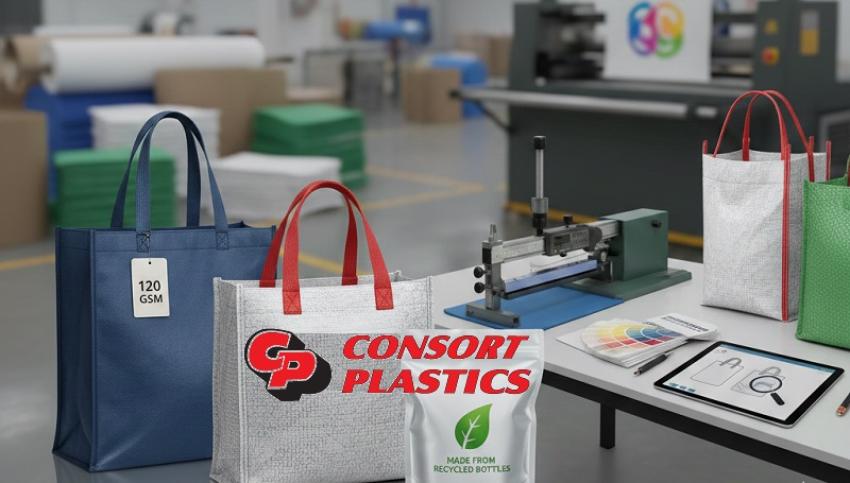
The demand for durable, reusable plastic bags in Johannesburg has driven local manufacturers and suppliers to innovate and specialize in high-performance polymers. Companies across Gauteng, including those in Johannesburg, focus on producing bulk bags, carrier bags, and shopper totes using robust materials like Non-Woven Polypropylene (NWPP) and recycled plastic content. These industrial-grade reusable options are engineered for strength, featuring high GSM counts and reinforced handles to withstand the heavy, repeated use required by major retailers, grocery chains, and promotional product suppliers throughout the region. For businesses prioritizing efficiency and branding, purchasing directly from Johannesburg manufacturers ensures customized specifications, high-volume capacity, and consistent quality across large orders. https://www.consortplastics.co.za/buying-smart-your-essential-guide-to-purchasing-reusable-plastic-bags-from-manufacturers/
When you’re sourcing reusable shopping bags directly from a manufacturer for your retail operation, supply chain, or promotional needs, the focus shifts to maximizing value, durability, and brand presentation. Buying plastic bags in bulk requires precision to ensure the bags meet your operational standards and delight your customers.
Here are the key tips to ensure you make a smart, high-quality investment when purchasing reusable plastic bags from manufacturers.
1. Prioritize Material & Durability for Longevity
The term “reusable plastic bags” primarily refers to durable polymers built for repeated use. Your material choice directly impacts the bag’s strength, lifespan, and ultimate value.
Non-Woven Polypropylene (NWPP): This is the industry standard—cost-effective and durable.
Tip: Look for a high GSM (grams per square meter). 100 GSM or higher is generally recommended for heavy-duty grocery bags that need to withstand significant wear and tear.
Woven Polypropylene (PP Woven): This material is formed by tightly interlacing strips, creating exceptional tear resistance and strength, making it ideal for the heaviest loads.
Material Consistency: Ask the manufacturer about the resin source and consistency. You need a material that maintains its look and feel across thousands of units.
Thickness and Load Capacity: Always ask for the bag’s tested load capacity (e.g., holds up to 30 lbs) to confirm it is appropriate for your intended use (e.g., heavy boxed items vs. light apparel).
2. Focus on Quality Construction & Stress Points
A bag is only reusable if it holds up. High-quality construction prevents premature failure, which is crucial for customer satisfaction.
Reinforced Handles: This is the most critical stress point. Ensure handles are not merely glued. Look for blown or tubular handles or handles that are securely sewn or heat-sealed all the way down the side of the bag (full-side attachment) for superior weight distribution.
Seam Integrity: For plastic materials, confirm all seams are firmly heat-sealed to prevent splitting when the bag is loaded. Run your fingers along a sample seam to check for consistency.
Gusset and Bottom Insert: A generous, well-constructed gusset (the depth/side panel) allows the bag to sit flat, stand upright, and accommodate bulky items. Consider a rigid bottom insert (usually cardboard or plastic) for added stability when carrying heavy, flat-bottomed items.
3. Evaluate Branding and Customization Options
Your reusable bag is an excellent mobile marketing tool. Ensure the manufacturing process supports a crisp, durable representation of your brand.
Printing Method: Discuss the best method for your specific artwork. Flexographic printing is often the most cost-effective for simple, high-volume designs, while heat transfer or digital printing may be needed for complex graphics or full-color photographs.
Ink Quality: Verify that the inks used are highly durable, resistant to fading, and will not easily rub off or bleed after repeated handling.
Color Matching: If precise brand color matching is essential, discuss Pantone Matching System (PMS) capabilities with the manufacturer to ensure color accuracy across batches.
Sample Batch is Mandatory: Always request a physical, pre-production sample showing your final design before committing to the full order. Use this sample to check print clarity, handle comfort, and overall material feel.
4. Assess the Supplier’s Logistics and Service
When ordering thousands of custom units, a reliable supplier is key to maintaining your inventory and schedule.
Minimum Order Quantity (MOQ) and Pricing: Understand the manufacturer’s MOQ and how volume discounts apply. Negotiate the best unit price based on your anticipated order volume and frequency.
Lead Times: Confirm that the manufacturer can consistently meet your required delivery timeline, especially since custom manufacturing and shipping can take several weeks.
Packaging and Shipping: Clarify how the bags will be packaged (e.g., poly-bagged in dozens, bulk cartons) and ensure the shipping method is reliable to prevent damage or delays.
Quality Control (QC): Ask about their internal QC process. A reputable supplier should have checks in place to guarantee quality and consistency before the shipment leaves their facility.
Beyond the retail sector, Johannesburg's manufacturing landscape offers a specialized range of heavy-duty reusable plastic film and woven plastic bags essential for industrial, agricultural, and logistics purposes. Companies provide custom solutions such as thick-gauge plastic sheeting, durable Polypropylene (PP) woven bags capable of carrying loads up to two tons, and clear, resealable plastic carriers for component organization or medical waste. This local ecosystem allows any business, from a boutique store to a major mining operation, to source a specific reusable plastic product—be it a basic carrier or a complex, UV-protected storage bag—with the benefit of fast turnaround times and reliable, local delivery across Gauteng and Southern Africa.