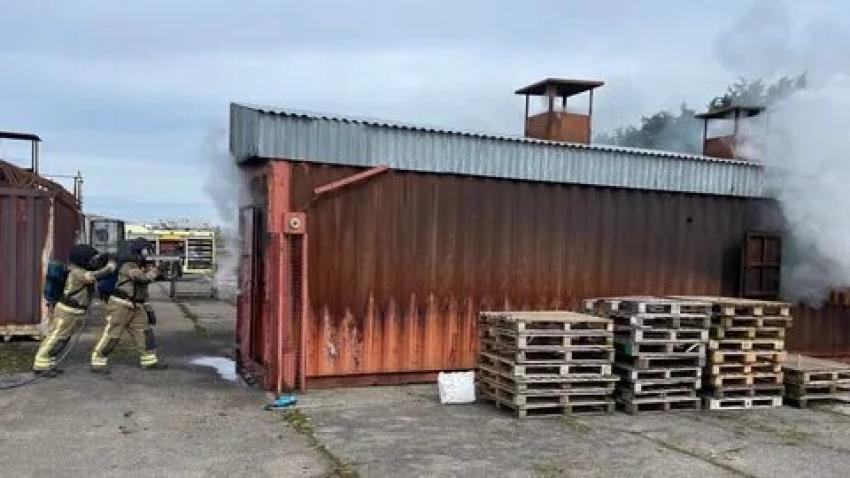
Fires move fast, and fear can rise even faster. So, your plan must be simple, straightforward, and ready. First, map what to do. Then, place the tools where they can be easily found. Next, teach short steps that work under stress. Since you may source Cold Fire Tactical near Texas, these tips align with local needs.
Additionally, we share plain facts you can act on today. As a result, your home gains calm, not chaos. Finally, you will see how small habits can significantly reduce risks.
1) Quick setup steps for Cold Fire Tactical near Texas
To begin, scan your home with purpose. Walk the kitchen, garage, and heat zones. Then, mark good access points near exits. Next, choose mounts at chest height. Also, keep a clear path around each unit. Afterward, read the label and note the range and spray pattern. Because practice matters, show each family member where to grab the tool. Finally, set a reminder to review this setup monthly, so nothing slips through the cracks.
2) Pick the right locations and mounts
Placement turns panic into action. First, place units near doors, not deep in danger. Because heat rises, avoid storing items in high cupboards. If you source Cold Fire Tactical near Texas, check the bracket and hardware. Then, use studs or anchors so the mount stays firm. Also, keep a clear, dry, and cool zone near the kitchen. Therefore, you can reach fast without crossing flames. Lastly, label each mount on your home map for quick recall.
Key placement rules:
Mount at chest height for quick reach.
Leave a 3-foot clear zone around the mount.
Keep tools 10 feet from stoves, yet near an exit.
Label each mount on your home map.
3) Know the fires you can stop
Different fires need different actions. First, learn the types: grease, electrical, and ordinary combustibles. Next, avoid water on grease and live power. Instead, cut power if safe, and block oxygen. If you buy Cold Fire Tactical near Texas, read the use cases for each unit.
Additionally, teach kids this rule: call for help first. Then, adults act while another person opens exit doors. Meanwhile, keep a path clear for a fast retreat.
“Slow is smooth, and smooth is fast under stress.”
4) Practice the steps: pull, aim, sweep
Practice builds calm when alarms blare. First, face the exit before you act. Then, pull the pin and test a short burst into a safe area. Next, aim low at the base of the flames. After that, sweep side to side until the glow ends. Because smoke can return, watch the area for a while. Families using Cold Fire Tactical near Texas often drill monthly. Finally, log each drill in a simple notebook to spot gaps.
Drill cues to remember:
Face the exit before you spray.
Keep hair and sleeves secured.
Swap roles so each person practices.
5) Compare tools before you choose
You deserve tools that fit your risks. First, list your hazards: grease, heaters, wiring, and outdoor grills. Then, compare the range, cooling requirements, cleanup needs, and shelf life. Consequently, you match the tool to the threat. Many who search for Cold Fire Tactical near Texas also compare training support. Additionally, look for clear labels, simple steps, and honest specs. Finally, keep at least one backup tool, as redundancy saves time when seconds count.
6) Care and storage that lasts
Ready tools start with steady care. First, store units in cool, dry spots. Also, avoid direct sun or attic heat. Because heat cycles wear seals, inspect them often. People who source Cold Fire Tactical near Texas set a monthly check. Then, read the gauges, shake if recommended, and wipe off any dust. Additionally, note dates in a log so trends are clear. Finally, replace worn parts promptly, as small fixes can prevent larger failures.
Care routine checklist:
Check pressure or readiness indicators monthly.
Replace cracked hoses or loose pins.
Record checks with dates and initials.
7) Train the family and run drills
Training should feel safe, short, and steady. First, explain your alarm plan in plain words. Then, assign roles: caller, sprayer, and door guide. Because practice reduces fear, repeat drills often. Additionally, brief blindfold practice can enhance smoke realism. However, keep drills short for kids. After each run, share one win and one fix. Finally, set a calendar date for the next drill to help your habits stick.
“When we practice calmly, our bodies remember under pressure.”
8) Build your home plan and logs
A clear plan ties all the pieces together. First, draw a simple home map with exits, mounts, and meeting points. Then, add contact numbers and nearby aid. Because smoke spreads fast, mark two exit routes per room. Additionally, place the map on the fridge and in bedrooms. Afterward, review the plan after any home change. Finally, keep a slim binder with logs, labels, and updates.
Weekly checks
Walk the home once a week. Confirm clear paths, closed lids, and safe cords. Because clutter slows exits, toss or store items. Also, test alarms and fix low batteries.
Monthly drills
Run one short drill every month. Rotate roles so everyone learns each job. Then, update the log and adjust the plan. Therefore, progress stays steady and visible.
Ready to put this plan to work at home?
When you map risks, mount smart, and drill short steps, you act more quickly and safely. Keep the guide on the fridge. Share it with your kids and your parents. Then set one monthly reminder for checks and a five-minute drill. If you want a deeper setup review or training ideas for your layout, the team at TraumaPAK High Threat Innovations can help you pressure-test the plan you already have in place.