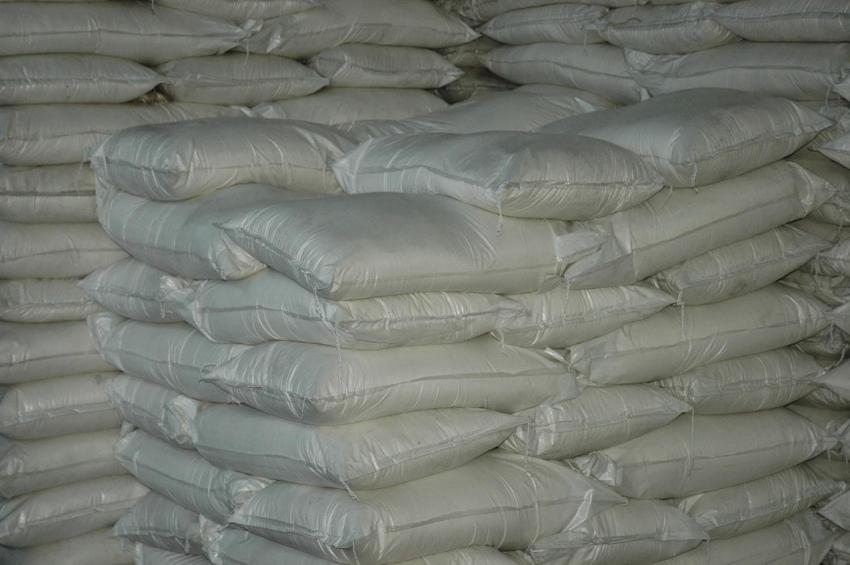
cement packaging market Trends 2025: Sustainable Materials, Smart Innovations, and Global Construction Growth
Introduction
The cement packaging market has become a vital element of the global construction industry, ensuring that cement reaches its destination safely, efficiently, and in usable condition. As infrastructure development and urban expansion accelerate, packaging solutions must adapt to new challenges. Cement packaging market trends today reflect a clear focus on sustainability, technology, logistics efficiency, and adaptability to regional needs.
With demand for eco-friendly, durable, and smart packaging growing, the cement packaging market is entering a phase of transformation that is redefining how construction materials are stored, transported, and distributed.
Sustainability as a Market Imperative
One of the strongest cement packaging market trends is the growing adoption of sustainable and recyclable materials. Manufacturers are moving away from traditional single-use plastics and adopting biodegradable polymers, recycled paper, and hybrid composites. This change is driven by stricter environmental regulations and increased awareness among construction companies.
Sustainability not only reduces waste but also supports the long-term image of brands operating in the cement packaging market. By focusing on recyclable and reusable solutions, businesses strengthen customer trust while contributing to global environmental goals.
Technological Advances in Packaging
Technological innovations are reshaping the cement packaging market. Multi-layer bags with moisture and puncture resistance are now standard, ensuring that cement remains intact during storage and transport. Automation in filling, sealing, and palletizing enhances consistency and reduces manual labor, driving operational efficiency.
The use of digital features such as QR codes and RFID tracking is expanding, allowing better supply chain visibility and real-time monitoring. These technologies reduce logistical errors and enable manufacturers to optimize distribution strategies, further strengthening the cement packaging market.
Flexible and Customized Packaging Solutions
Customization has become another defining feature of cement packaging market trends. Lightweight, stackable, and flexible bags designed for different climatic conditions and handling methods improve operational convenience. Modular bulk containers are increasingly used for large-scale projects, enhancing efficiency and minimizing costs.
Customized packaging also helps cement producers differentiate their products in a competitive market. With unique branding, design features, and product safety elements, cement packaging market participants are creating value beyond basic functionality.
Regional Variations Driving Market Dynamics
The cement packaging market varies across regions, influenced by economic growth, infrastructure demand, and regulations.
Asia-Pacific dominates with rising construction activity in countries such as India and China. The focus is on cost-effective and durable packaging.
Europe emphasizes sustainable, recyclable, and environmentally compliant materials to align with green building standards.
North America integrates automation and advanced logistics technologies for efficiency.
Africa and Latin America are emerging markets prioritizing affordability and durability in packaging to support rapid infrastructure expansion.
These regional dynamics demonstrate that cement packaging market trends are not uniform but adapt to local needs and regulatory frameworks.
Logistics and Supply Chain Efficiency
Packaging efficiency directly impacts logistics costs and performance. The cement packaging market is focusing on lightweight, durable, and standardized packaging that minimizes material loss during transport. Effective designs reduce handling risks and improve space utilization in storage and shipping.
Digital logistics tools, including barcoding and GPS-enabled tracking, are being integrated to reduce inefficiencies. These tools are especially useful in regions where cement demand fluctuates based on infrastructure projects, ensuring that supply remains timely and uninterrupted.
The Role of Digitalization
Digitalization is shaping every layer of the cement packaging market. Smart packaging with embedded chips and machine-readable codes provides real-time information, enabling better demand planning and inventory control. Digital solutions also support predictive maintenance for packaging equipment, reducing downtime and enhancing production capacity.
As construction projects grow in complexity, digital solutions will play an even greater role in optimizing the cement packaging market and ensuring sustainability and efficiency.
Conclusion
The cement packaging market is entering a dynamic period of transformation, driven by sustainability, technological innovations, flexible solutions, and regional needs. By focusing on eco-friendly materials, adopting smart digital technologies, and improving logistics, the market is preparing to meet the evolving demands of the construction industry.
Cement packaging market players who adapt quickly to these trends will be best positioned to capture long-term growth opportunities in both mature and emerging economies.