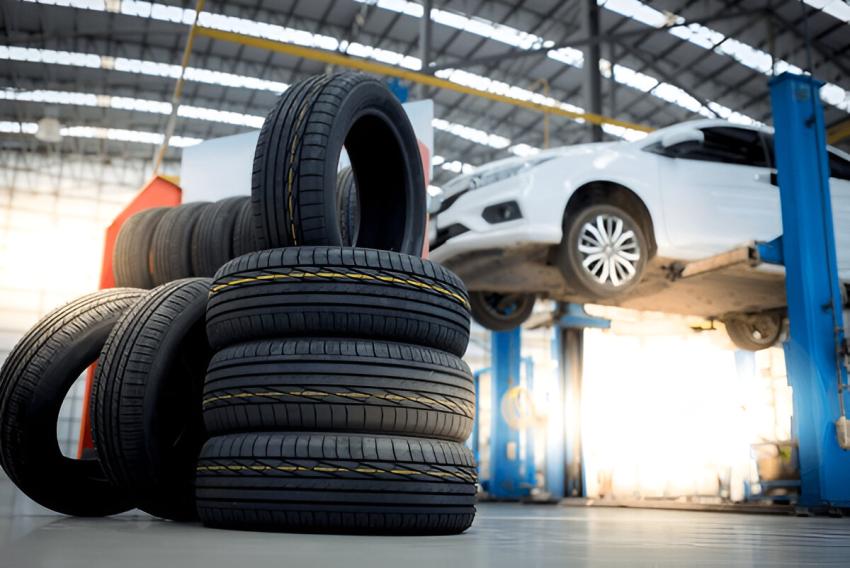
Tires carry the load every time we drive, yet somehow they’re still one of the least understood parts of a car. For years, rumors and half-truths about when and how to change them have shaped how people look after their vehicles. At first glance, these ideas don’t sound too harmful, but they often lead to unsafe habits on the road.
In reality, many drivers don’t realize the danger until something goes wrong mid-journey. The tire change services in Fort Wayne IN, aren’t just about swapping out a flat. They’re part of staying prepared, helping drivers avoid trouble instead of scrambling to fix it. By letting go of myths and focusing on what’s practical, drivers gain confidence, safety, and peace of mind—whether it’s a quick commute or a long road trip. The more people learn, the safer the roads get for everyone.
Myth 1: Tire Change Services in Fort Wayne IN Are Only Needed After a Flat
Waiting for a blowout before replacing tires might feel easier, but it ignores the real risk. Tires lose their bite long before they go flat. Once tread wears down, grip weakens, braking takes longer, and steering feels loose. On wet or icy pavement, this can turn dangerous fast. Tire change services are designed to spot these problems early, not after the fact. Regular checks and timely replacements protect not just you, but everyone else on the road.
Quick facts:
Tire Condition
Risk Level
Result on Road
Bald tread
Very high
Hydroplaning, skidding
Low tread (3mm or less)
High
Weak braking, poor control
Uneven wear
Moderate
Pulling to one side
This table shows how quickly risk climbs when wear is ignored. Dealing with it early isn’t about spending more money—it’s about staying steady and avoiding surprises.
Myth 2: Different Tire Brands Can Work Together
At first, mixing brands might seem harmless, like a way to save money. However, differences in tread design, rubber strength, and build mean the car won’t handle evenly. A vehicle depends on balance across all four tires; mismatched sets break that balance. The difference really shows during sudden turns or when driving through heavy rain.
Why sticking with one brand matters:
- Steering feels more predictable in sharp turns
- Wear spreads out evenly
- Performance stays consistent across seasons
- Stability systems work better
Choosing the same model isn’t about looks—it’s about safety. When all four tires work as a team, the car responds as it was meant to.
Myth 3: New Tires Should Always Go in the Front
Many people assume new tires belong in the front for more potent steering. In reality, the rear controls stability. If the back tires lose traction, the car can fishtail, especially on wet roads or during hard braking. Putting the new ones at the back keeps the balance and gives more control.
Extra tread in the rear anchors the vehicle, helping prevent slides or spins. It feels backwards, but this small change can distinguish between a safe stop and a dangerous spin. It’s advice worth remembering.
Myth 4: Tire Pressure Isn’t a Big Deal
Pressure does far more than affect comfort. Underinflated tires drag, creating heat, wasting rubber, and burning more gas. Overinflated ones grip less, ride rougher, and can blow out without warning. That’s why pressure checks are part of tire change services in Fort Wayne IN —correct inflation is basic safety.
Warning signs:
- Car drifting on flat roads
- Gas mileage is dropping suddenly
- The edges or the center of the tires are wearing faster
- Steering feels too heavy or too light
The correct pressure saves money, makes tires last longer, and keeps driving safer. It’s such a simple check, yet it changes so much.
Myth 5: Tire Rotation Doesn’t Matter
Rotating tires may feel like an extra chore, but it spreads wear evenly. The front always works harder because of steering and braking, so they wear down quickly. Switching them every 6,000 to 8,000 miles balances everything and adds years to tire life.
Skipping this shortens lifespan and makes handling uneven. When some tires grip differently, control suffers. That’s why most tire change services in Fort Wayne IN, include rotation—it’s about long-term safety and saving money. Think of it as sharing the load fairly across all four.
Myth 6: Tread Depth Only Matters in Bad Weather
Shallow tread is risky all year, not just in rain or snow. Even on dry pavement, stopping distance grows and handling drops. The higher speeds bat higher speeds because there’s less room for error.
Tread checklist:
- Replace at 3mm or less
- Check the tread whenever fueling up
- Use a small gauge once a month
Deep tread equals grip, no matter the conditions. Making it part of routine checks prevents accidents that never should have happened.
Myth 7: Cheap Tires Are Just as Good as Quality Ones
Cheaper tires can look like a deal, but most cut corners on durability. They wear out faster, grip poorly, and sometimes strain suspension parts. They might save money upfront, but cost more later.
Quality tires, though pricier, perform consistently across weather and terrain. They last longer and require fewer replacements. Tire services usually recommend trusted brands for this reason—it’s not just performance, it’s peace of mind.
Myth 8: Tires That Look New Don’t Need Replacement
Looks can trick you, even with good tread; rubber ages. Sun, heat, and wear slowly cause cracks and weaken the tire. The risk rises sharply once they pass six years, no matter how they appear.
That’s why manufacturers set age limits. Ignoring tire change services in Fort Wayne IN, means a higher chance of blowouts at highway speeds. Replacing tires on schedule prevents breakdowns at the worst times. Inspections always include checking the manufacturing date, not just the tread.
Myth 9: Spare Tires Are Always Ready for Use
It’s easy to assume the spare will be ready, but often it’s not. Spares lose air over time or weaken from sitting unused. Finding out your spare is flat during an emergency makes everything worse.
Check the spare every few months. Keep it inflated, store it properly, and ensure it’s the right size. A reliable spare isn’t just handy—it can be a lifesaver.
Conclusion
Tire myths might seem harmless, but they can lead to real problems. Sticking with facts means safer driving, better tire life, and fewer surprises. Tires are the only car part that touches the road, so they deserve attention. Choosing facts over fiction makes every drive safer. Professional tire services from Roadside 24/7 Assistance offer guidance to make the right choices. By clearing up myths and focusing on what works, drivers save money, reduce accidents, and keep control where it belongs—with them. Safety starts with simple decisions, and tires are one of the biggest.