If you’ve ever taken a long road trip and really paid attention to the houses along the way, you’ve probably noticed something interesting . they change. A lot. You might start your morning driving past red-brick homes with tall chimneys, then by evening, you’re seeing stucco walls and flat roofs. It’s not random, and it’s not just about style. There’s a whole story behind why homes look and are built the way they are in different parts of the country.
When we talk about residential home construction, most people imagine blueprints, contractors, and building permits. But what really shapes a home is the environment it’s in. That includes the weather, the type of land, the history of the place, and even the unwritten “rules” that come from generations of living in that area.
In this piece, I’m going to walk you through how residential home construction shifts from region to region . why a beach house in Florida is nothing like a mountain cabin in Colorado, and why trying to copy-paste one into the other is usually a bad idea. You’ll see how climate, culture, materials, and even local laws steer the way homes get built.
Climate and Weather Define the Fundamentals
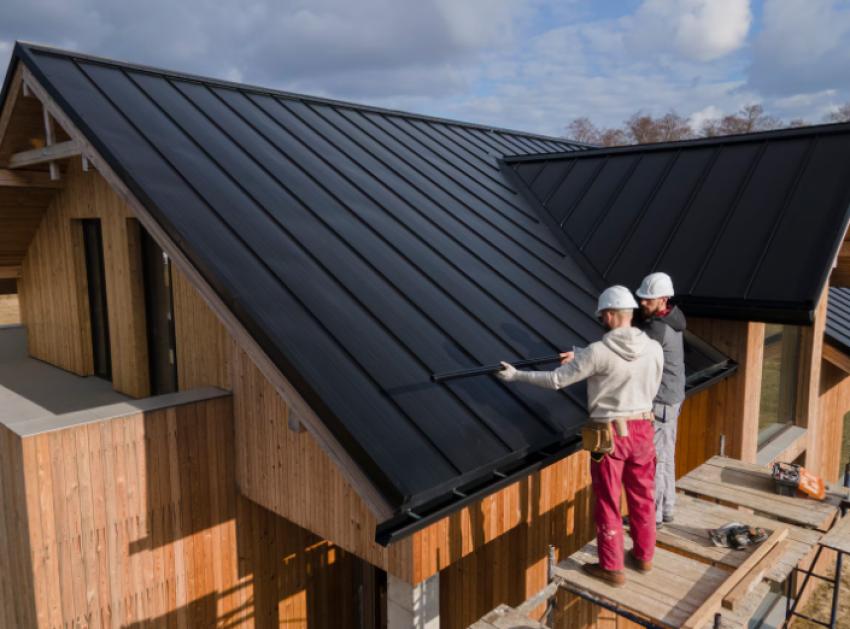
Let's begin with the self-evident: the weather. If you happen to live where it snows for half the year, you're going to need a roof that doesn't cling to snow like a giant ice shelf. That's why you'll find steep-sloped roofs in Vermont or Minnesota. But in hot, dry areas, the roof could be flat because nobody's concerned about snow . instead, they're concerned about heat and perhaps adding solar panels.
It's not all about temperature, either. Humidity makes all the difference. On the coast, salty air can eat through metal quickly, so construction there tends to favor stainless steel fittings, pressure-treated timber, and siding that doesn't peel the moment the weather changes. Out in the desert, the sun is the main villain, so heavy walls and materials such as adobe or stucco keep the heat out.
Building With What's Nearby
Here's something you may not have considered: much of building decision-making comes down to what simply exists. In regions with lots of forests, wood's been the default for centuries. You take a tree down, you've got wood . it doesn't get much easier than that. In regions with lots of rocks, you'll find more rock houses because, well, the material is literally covering the ground everywhere.
These local materials define not only the appearance of houses but their longevity. A New England stone house is heavy against blizzards, while a Pacific Northwest wooden cabin nestled in the woods conforms to the forest and retains warmth in just so. Now we can import nearly anything from anywhere, but expense and custom continue to keep most builders relying on what's in close proximity.
History and Culture Leave Their Mark
Not every difference in home design is about practicality. Sometimes, it’s about identity. Drive through the South and you’ll spot wide porches that just beg for a rocking chair and a glass of sweet tea. That’s not just a charming touch . it’s a space for cooling off and chatting with neighbors in the shade.
Out West, particularly in regions with Spanish or Native American influences, you'll see clay tile roofs, heavy plaster walls, and courtyards. Gorgeous, yes, but also ideal for hot, arid climates. In the Midwest, in contrast, there are farmhouse-style houses with large kitchens and wraparound verandas that speak of family reunions and warm summer evenings.
Each area has its own building codes, and although they're not the most exciting topics, they're important. On hurricane-prone coastlines, houses may need to be constructed on stilts or with hurricane straps to secure the roof to the house when the wind picks up. In earthquake areas, flexible foundations and stiff frames are essential.
These codes are not a recommendation . they're a regulation. Disregard them, and you may find yourself with fines or worse, a home that's not safe. The rub? Codes differ so greatly from one location to the next that a design that passes in one state will be summarily rejected in another.
Labor, Skills, and Local Economy
Here’s something you might not read in glossy architecture magazines: the local labor market can make or break a construction plan. In some areas, you’ll find carpenters, masons, or roofers who’ve been doing the job for decades. In others, certain skills might be rare, which means paying more to bring in specialists from far away.
Economics also play a part. In expensive urban markets, small but smartly designed homes are more common because land costs eat up the budget. In rural areas, where land is cheaper, you’ll often see sprawling layouts and bigger yards.
New Trends Meeting Old Traditions
While tradition holds strong, modern tech and design trends are slipping into almost every type of residential home construction. Solar panels are showing up in sunny areas, even on old-style homes. Rainwater collection systems are popping up in drought-prone places. Urban areas are experimenting with rooftop gardens and green walls.
That said, these new ideas still have to work with the climate and local rules. A grass-covered rooftop might be perfect in a rainy city, but it’s a headache in a desert unless you’ve got the right irrigation setup.
Why All This Matters if You’re Building
If you’re planning to build a home, knowing these regional differences is more than interesting trivia . it’s crucial. A design that works in California might turn into a nightmare in Maine. The wrong materials can leave you with endless repairs. The right ones can give you decades of comfort.
The smartest move is to work with builders who know your area inside out. They’ve seen what fails and what lasts, and they can steer you away from costly mistakes.
Conclusion
At the end of the day, houses are a reflection of where they stand. Climate, history, local materials, and even the economy shape every wall, window, and roofline. When you look at a home, you’re not just seeing architecture . you’re seeing a story about the land and the people who live there. That’s the beauty of residential home construction done right: it fits the place as naturally as if it grew there.
FAQ
1. Why do houses look so different from one region to another?
Because climate, materials, culture, and local laws all shape how they’re built.
2. What’s the biggest factor in home design?
Climate usually tops the list, but history and available resources are close behind.
3. Can I just use the same home design anywhere?
Technically yes, but it’s risky . you might run into code issues or weather problems.
4. Do building codes really matter?
Absolutely. They keep homes safe and make sure they can handle local conditions.
5. What’s one mistake people make when building in a new region?
Not hiring local experts who understand that area’s specific challenges.
Resources
U.S. Department of Housing and Urban Development – hud.gov
National Association of Home Builders – nahb.org
Energy.gov – Tips on energy-efficient building practices
American Institute of Architects – aia.org