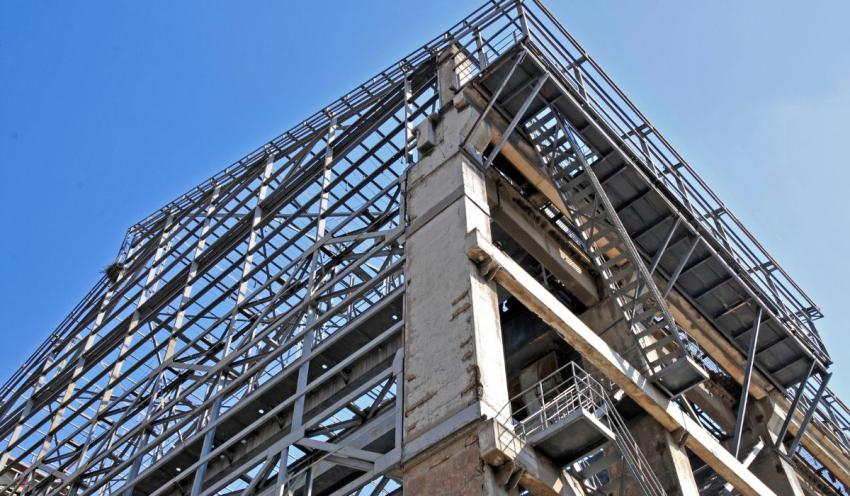
In the modern high-speed logistics, distribution, and supply chain management era, warehousing solutions should be efficient, scalable, and affordable. One of the solutions widely used in many industries these days is the pre-engineered metal building (PEMB). PEMBs are pre-engineered and pre-fabricated in a plant and assembled on site, and they have several advantages over traditional construction. Whether you're building a brand new warehouse from the ground up or expanding an existing structure, pre-engineered metal buildings offer an evolving, high-performance solution to today's warehousing requirements.
Here, we cover the best benefits of using pre-engineered metal buildings for warehousing and why they're the go-to choice for innovative companies.
1. Quick Construction and Rollout
The greatest advantage of pre-engineered metal buildings is their rapid construction schedule. With parts fabricated off-site and brought to the construction site to be put together, on-site activity is skilled and streamlined.
Reduced construction time: PEMBs take 30–50% less time to build compared to traditional buildings.
Less weather disruption: Off-site manufacture and simultaneous site preparation are completed at the same time.
Quicker ROI: Greater occupancy means quicker start of operation, which means quicker returns on investment.
This factor of saving time with the warehousing application minimized downtime and the capability to promptly respond to growing storage or distribution demands.
2. Cost Savings
Warehousing has always meant huge buildings, and their construction using the conventional approach can be costlier. Pre-engineered metal buildings conserve considerable amounts of money in several different ways:
Lower material expenses: Design to be most efficient minimizes waste and uses only the required amount of steel.
Decreased labor hours: Decreased assembly reduces the cost of labor.
Minimal maintenance expenses: Metal buildings are very long-lasting, and minimal maintenance is required in the long run.
Affordability is one of the key concerns for cost-conscious companies, and PEMBs are an appropriate option for companies of all sizes undertaking warehousing projects because they are comparatively less expensive.
3. Versatile and Flexible Design
Warehouses must be planned to fit a variety of functional demands from racking systems and loading docks to office areas. Pre-engineered buildings give the greatest level of design flexibility and tailorability.
Clear-span interiors: Metal buildings can span 300 feet without interior supports, translating into more usable square feet.
Flexible layouts: Change floor plans, doors, windows, insulation, mezzanines, and more with ease.
Expansible structures: Install extra bays or wings when your business grows.
This kind of flexibility is appropriate for entities estimating growth or increase in their storage and logistics demands.
4. Strength and Durability
Warehouses have to withstand stress from everyday business, heavy machinery, and exposure to the weather. PEMBs are designed to ensure a long lifespan and stability.
High tensile strength: Steel components are resistant to bending, cracking, and warping.
Weather-resistance: Metal buildings are resistant to extreme weather conditions, including snow, wind, rain, and even earthquakes.
Fire resistance: PEMBs are fire-resistant compared to wood buildings.
Long-term PEMB stability reduces the likelihood of structural collapse, thereby safeguarding individuals, machinery, and goods in storage.
5. Energy Efficiency and Insulation Possibility
Modern metal buildings permit energy-efficient insulation systems and ventilation solutions to be incorporated, so they are highly capable of meeting temperature-sensitive storage needs.
Insulated metal panels (IMPs): Provide enhanced thermal performance.
Reflective roof finishes: Decrease heat gain and lower cooling bills.
Skylight and ventilation options: Provide air circulation and natural light.
These choices reduce ongoing energy expenses, making PEMBs cost-effective and eco-friendly in the long term.
6. Low Maintenance Requirements
Maintenance can be extremely high-cost in large warehouse operations. Pre-engineered metal buildings require low maintenance, reducing operation downtime as well as repair expenses.
Rust-proof coatings: Galvanization and specialty coating prevent rust.
Pest-resistant: Unlike wood, metal isn't susceptible to termites or rodents.
Minimal repairs needed: Structural steel components are less likely to deteriorate over time.
By choosing a PEMB, you’re investing in a warehouse that remains functional and attractive for decades with minimal upkeep.
7. Eco-Friendly and Sustainable Construction
Sustainability is increasingly important in today’s construction landscape, and PEMBs contribute positively to environmental goals.
Recyclable materials: Steel can be 100% recycled, minimizing waste.
Less waste: Precision fabrication guarantees maximum material usage.
Green credentials: PEMBs are LEED and other sustainability rated for the most part.
Those businesses that engage in reducing their carbon footprint will value the way pre-engineered metal buildings fit into their green agenda.
8. Compliance with local Building Code
PEMBs are designed to or exceed regional building codes and industry standards. Structural strength, wind load, snow load, and seismic are factored into the manufacturing and design process.
Located engineered: Designs take regional weather and soil into account.
Permit-ready plans: Factory manufacturers provide stamped drawings for easy permit procurement.
Safe and secure: Pre-engineered structures are OSHA and regionally compliant for safety.
This compliance avoids costly delays and has your warehouse officially approved and business-ready.
9. Aesthetic Flexibility
Though functionality is the first concern when constructing a warehouse, appearance does enter the picture anyway—especially for distribution center buildings or customer-access operations. PEMBs do have some architectural choices available to enhance the appearance of your building.
Selecting finishes: From metal panels to stucco, brick veneer, and more.
Color: Design to match your brand or environment.
Contemporary profiles: Elegant, clean-profiled profiles place the building in a professional and contemporary frame.
You no longer need to compromise on form or function—PEMBs deliver both.
Conclusion
Pre-engineered metal buildings provide a winning combination of speed, strength, flexibility, and cost-effectiveness—ideal for warehousing applications in today's fast-paced business climate. From constructing a storage depot to a distribution hub or an industrial logistics center, PEMBs provide the efficiency and scalability needed for success.
Their flexible nature, fast installations, and low maintenance guarantee they are a long-term worthwhile investment with excellent payback. If you are planning your next warehouse expansion, let a pre-engineered metal building be your starting point of expansion.