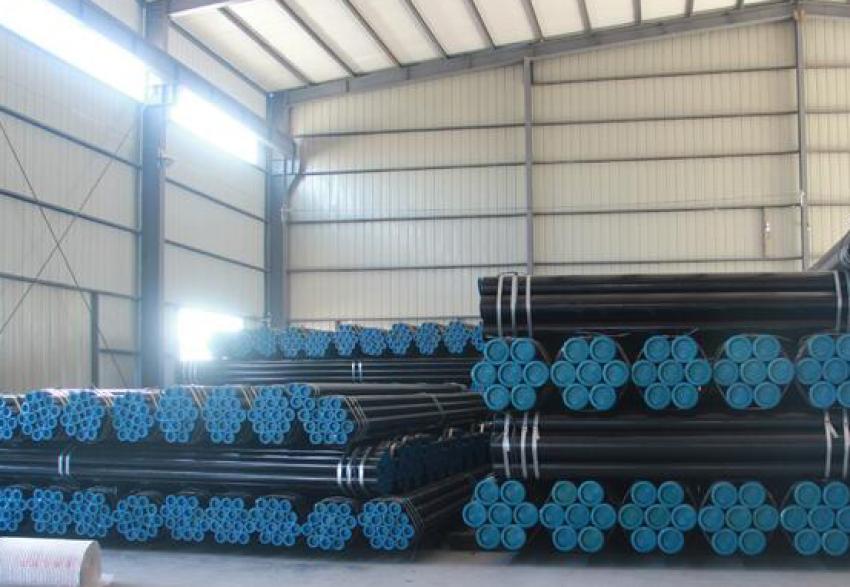
The advantages of SCH 80 pipe in high-pressure industrial applications are mainly reflected in the wall thickness and material properties:
1. Higher Pressure Capacity
SCH 80 is a thicker-wall grade, with significantly thicker walls than conventional grades (such as SCH 40 pipe), capable of withstanding higher operating pressures. In high-pressure applications, the thicker design effectively reduces the risk of deformation, prevents bursts, and ensures pipe structural stability.
Typical Applications:
Oil & Gas Pipelines
High-Pressure Steam Systems (Boilers, Heat Exchangers)
Compressed Air Piping (Industrial Grade)
2. Enhanced Corrosion Resistance
A thicker wall means slower corrosion rates and longer service life, making it particularly suitable for conveying corrosive media such as acids, alkalis, and salts, as exemplified by the use of SCH 80 seamless pipe. 304/304L stainless steel offers excellent corrosion resistance and high-temperature resistance, making it suitable for high-temperature or corrosive environments. Its smooth pipe wall also reduces fluid resistance, indirectly improving the efficiency of high-pressure pipelines.
Applications:
Chemical plant fluid transportation (hydrochloric acid and sulfuric acid pipelines)
Seawater treatment systems
Electroplating industry wastewater discharge
3. Excellent High-Temperature Resistance
SCH 80 is more stable in high-temperature environments and is less likely to deform or soften, making it suitable for thermal systems.
Typical Temperature Range:
Carbon Steel SCH 80: Long-term resistance to 400°C (750°F)
Stainless Steel SCH 80: Long-term resistance to 870°C (1600°F)
PVC SCH 80: Maximum resistance to 60°C (140°F)
Common Applications:
Boiler steam piping
Hot oil transfer systems
High-temperature chemical reaction equipment
4. Resistance to Mechanical Shock & External Damage
Thickened pipe wall provides enhanced impact resistance, making it suitable for environments susceptible to physical damage. SCH 80 pipe performs better than SCH 40 in drop weight impact tests, reducing the breakage rate by over 50%.
Applications:
Mining & heavy machinery hydraulic systems
Underground piping (anti-crushing)
High-vibration industrial equipment (e.g., pump stations)
5. Compliance with Stringent Industrial Safety Standards
SCH 80 is a mandatory requirement of many high-pressure industrial codes, ensuring compliance.
Industry Examples:
High-pressure reaction piping in chemical plants (SCH 80 is mandatory)
Steam distribution systems in power plants
Related Standards:
ASME B36.10: Standard for Carbon Steel Piping
API 5L: Standard for Oil and Gas Piping
Frequently Asked Questions (FAQs):
Q1: Is Schedule 80 more durable than Schedule 40?
Yes, due to its thicker wall, Schedule 80 offers greater pressure and impact resistance, making it suitable for harsh environments.
Q2: Can Schedule 40 be used instead of Schedule 80?
It is not recommended unless it is a low-pressure application and has been professionally evaluated, as this may pose a safety hazard.
Q3: Can the two types of pipe be mixed?
Yes, but a reducer must be used and the pressure ratings must match.