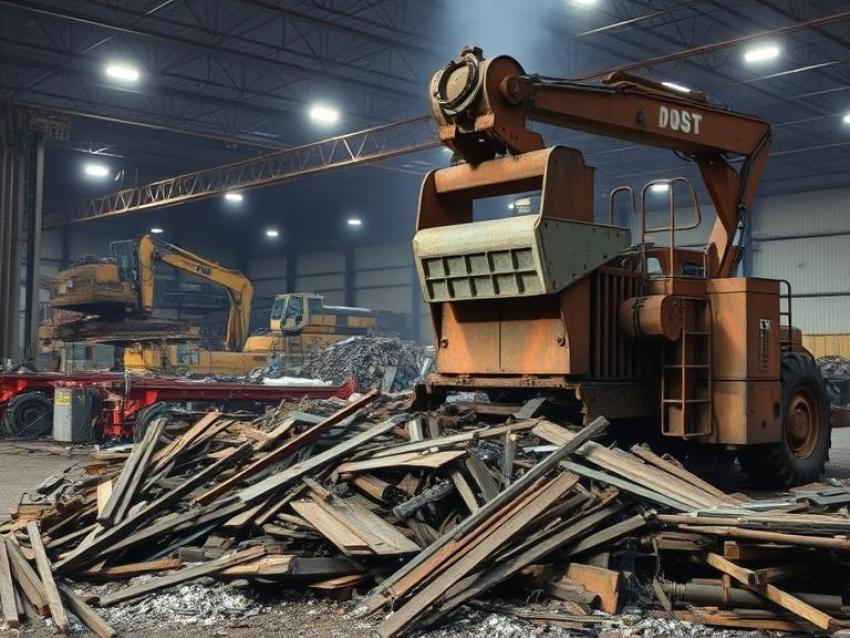
Australia’s scrap metal industry might not seem glamorous, but it’s quietly booming. Whether you're just decluttering the shed or thinking about turning scrap collection into a side gig, there's decent money in it—if you know what you're doing.
Let’s break down how scrap metal pricing works in Australia, what affects the value, where to get the best rates, and how to boost your profits when selling.
What’s the Going Rate for Scrap Metal Right Now?
Like most commodities, scrap metal prices go up and down all the time. They’re influenced by everything from global demand to local competition. Here’s a general idea of what you might get (as of late 2024):
Copper (clean & bright): Around $8 to $10 per kg
Brass: $4 to $6 per kg
Aluminium: Usually between $1.50 and $2.50 per kg
Steel: $0.15 to $0.30 per kg
Cast Iron: Slightly higher than steel
These are just ballpark figures, though. Your actual price depends on a few things—how clean your metal is, how much you’ve got, and where you’re selling.
Why Prices Differ Across Australia?
Scrap metal prices aren’t the same everywhere. You’ll get better rates in big cities like Sydney, Melbourne, or Brisbane because there are more buyers competing for the same material.
In Western Australia, prices can spike due to the mining industry needing specific metals like steel or nickel-based alloys. But if you’re out in a regional area, prices might be 20%–30% lower simply because there’s less demand and higher transport costs.
Bottom line? If you're in the bush, it could be worth saving up a bulk load and heading into the city when you've got enough to justify the trip.
What Actually Impacts Scrap Metal Value?
Is It All About Weight?
Weight is definitely a major factor—but it's not everything. Cleanliness and type of metal matter a lot more than most people think. For example, bare copper wire (clean and shiny) fetches a much better rate than copper covered in insulation or attached to plastic.
Grading Matters Too
Every type of scrap metal has a grading system. Copper, for instance, ranges from bare bright (the best kind) to insulated wire and even burnt or dirty copper, which fetches much less. Same goes for steel—heavier, thicker steel (known as HMS 1) is worth more than thin, rusted bits.
If you learn how to properly sort and grade your metal before selling, you’ll likely see a 20–30% bump in what you’re paid.
Contamination Kills Value
Scrap yards don’t want to deal with materials they can’t process easily. If your metal is rusty, oily, painted, or still has plastic or wood attached, expect a lower price. In some cases, they might even refuse it.
For high-value metals like copper or brass, it’s worth the time to strip insulation or clean off grime—it pays off quickly.
Where to Look Up Scrap Metal Prices in Australia?
1. Online Price Trackers
Sites like ScrapMonster and RecyclingNearYou provide up-to-date price info for different metals across Australia. Some even let you view historical data to spot trends.
But keep in mind—these prices are averages. Your local yard might offer more or less depending on what they’re after.
2. Local Scrap Yards
Honestly, calling a few nearby yards is still the best way to know what you’ll get today. Some will quote over the phone, others prefer to inspect your load in person. Either way, it's good to compare a few places before making a trip.
3. Industry Reports
If you're really into it, the London Metal Exchange (LME) and Aussie industry publications give deeper insights into where the market's heading. Might be overkill for casual sellers, but handy if you're planning to scale things up.
How to Get Top Dollar for Your Scrap?
Prep Your Load Properly
Sorting and cleaning your metal is key. If you turn up with a mixed, messy pile, you’ll probably be paid based on the lowest-grade material. Clean, sorted scrap? That’s where the real money is.
Strip wires, separate ferrous (magnetic) from non-ferrous metals, and use a grinder or scraper to remove excess paint or other junk.
You don’t need fancy tools to start—basic wire strippers, magnets, and gloves go a long way.
Time Your Sale Right
Scrap metal prices aren’t fixed. If you’re not in a rush, watch the market for a while and sell when prices peak. After big holidays or during construction booms, demand can surge.
Even holding onto your metal for a few extra weeks could mean a 10–15% price boost, depending on the market.
Don’t Be Afraid to Haggle
If you’ve got a decent load or are planning to become a regular supplier, ask for a better rate. Some yards offer tiered pricing based on quantity or consistency.
Let them know if another dealer quoted higher. Most are happy to match it—or beat it—to get your business.
Is It Worth Collecting Scrap Metal in Australia?
Casual Collecting vs. Serious Hustle
For some, scrapping is just a way to make a bit of extra money on the side—$50 to $100 a week from collecting cans, wires, or old appliances. For others, it becomes a full-on business with trailers, bins, and contracts with trades.
Your profits depend on how much time and effort you’re willing to invest. You’ll also need to factor in costs like:
Fuel
Storage space
Cleaning materials
Time and tools
Best Places to Find Scrap
Some of the most reliable sources include:
Construction sites (ask permission!)
Demolition jobs
Kerbside clean-up days
Old electronics, appliances, and machinery
Tradespeople like plumbers and electricians—offer to pick up their scrap regularly
Building relationships in the industry can lead to steady supplies over time.
Know the Legal Side
Don’t forget—some materials are regulated due to theft concerns (like copper and catalytic converters). Most scrap yards will ask for ID, and you may need a licence if you're collecting commercially.
Also, some councils have rules against collecting from kerbsides. Check the local regulations before you load up.
What’s the Outlook for Scrap Metal Prices?
What Experts Are Saying
The market is expected to stay bumpy through 2025, but the long-term trend looks strong—especially for copper, aluminium, and metals tied to clean energy.
Copper: High demand due to electric vehicles and solar projects
Steel: Stable, though it depends on construction activity
Aluminium: Steady growth, especially in packaging and power
If you’re collecting these metals, you’re in a good position.
Sustainability Is Changing the Game
Governments are pushing hard for recycled materials in new products. That means higher demand—and better prices—for clean, sorted scrap.
Expect to see better incentives and possibly even premium rates for quality recycled material in the coming years.
Future Winners: E-Waste and Batteries
If you’re thinking long-term, keep an eye on e-waste and battery recycling. Electronics contain small amounts of precious metals like gold, silver, and rare earth elements. Battery components like lithium and cobalt are also becoming hot commodities.
Right now, these require specialised recycling, but the industry’s growing fast.
Final Takeaway
Scrap metal isn’t just junk—it’s an overlooked income stream that can add up quickly if you play your cards right. Whether you're casually offloading household waste or diving into it full-time, understanding how pricing works is the key to getting the best return.
Start by cleaning and sorting your metals. Call a few local yards. Pay attention to trends. And if you’re consistent, the cash will follow.
You never know—what looks like a pile of rubbish today could be tomorrow’s payday.