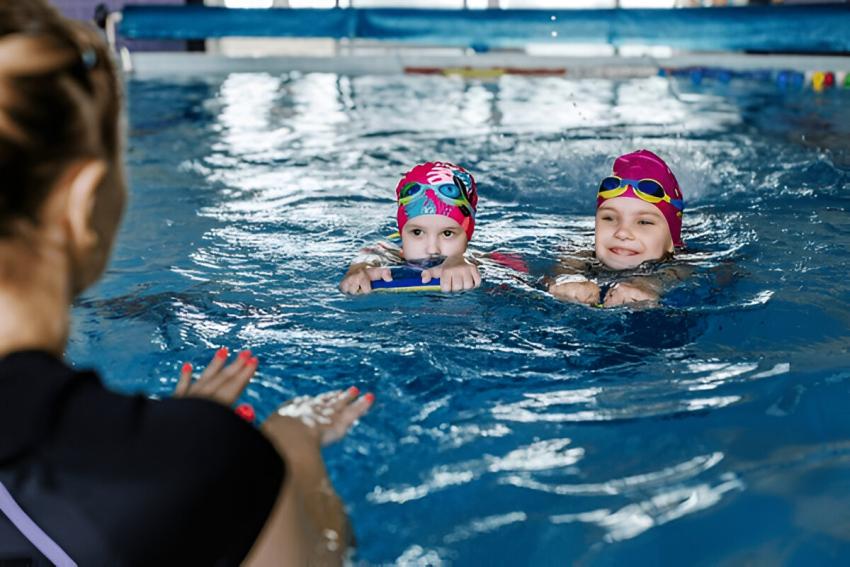
Learning to swim is not just about having fun or staying safe in the water. It also plays a big role in helping kids’ brains grow stronger and smarter. When children start swimming at a young age, they begin to improve how they think, move, and understand the world around them. The water helps them build coordination, focus, and confidence—all while they’re enjoying themselves. That’s one reason many families choose Culver City youth swimming lessons. These lessons give kids a head start, helping them grow in many important ways—physically, mentally, socially, and emotionally—right from their earliest years.
How a Child’s Brain Grows in the Early Years: Get Culver City Youth Swimming Lessons
Babies and young children grow fast—not just in size, but in how their brains work. Every time a child moves, listens, or tries something new, their brain builds new connections. Swimming helps make those brain connections stronger.
Why? Swimming uses many parts of the body and brain at the same time.
Some brain benefits of swimming include:
- Better balance and coordination
- Improved memory and attention
- Faster thinking and decision-making
Did You Know?
When kids move their arms and legs, and breathe all together while swimming, their brain works harder and gets stronger.
How Swimming Helps Kids Focus and Move Better
Swimming is a full-body activity. Kids have to move their arms, legs, head, and body all together. That helps the brain get better at controlling movement.
As they swim more, kids also learn to stay focused. They listen to the teacher, follow directions, and try to do each move just right. That builds strong concentration skills.
In the middle of programs like Culver City youth swimming lessons, kids start showing better balance and attention, not just in the water, but in the classroom too. Their brains also become more alert and ready to learn new things.
Learning to Get Along with Others in the Pool
Swimming might look like something kids do alone, but they often take lessons with a group. In group lessons, children have to:
- Take turns
- Share space
- Follow group rules
- Listen to their coach
Moreover, these actions help them learn how to be part of a team and how to treat others with respect. They also learn patience and how to wait their turn, which are important life skills.
Quick Tip
Swimming in small groups can also help shy kids feel more comfortable and make new friends naturally.
Talking, Listening, and Thinking While Swimming
When kids swim, they don’t just move—they also talk and listen. Coaches give directions like, “Kick your legs,” or “Put your face in the water.” Kids learn to listen carefully and follow those steps.
That also helps them build language and memory. They also start to solve problems, like figuring out how to float better or move faster. These are small but important thinking skills.
Kids who swim early often do better in reading and writing later, because their brains have already learned how to focus, listen, and remember things.
Feeling Calmer and Stronger Emotionally
Water has a calming effect. Being in a pool helps kids feel relaxed, especially after a busy day. That’s because water makes the body feel light and safe.
Kids also learn how to manage their feelings in the pool. Sometimes, they might also feel scared to try something new. But when they practice and succeed, they feel proud and brave. That builds confidence.
In many Culver City youth swimming lessons, coaches also help kids learn how to stay calm and think clearly, even when something feels hard. These lessons help kids stay in control of their emotions.
Why Swimming Is Different from Other Activities
Swimming is not like every other sport. It also works every muscle in the body and teaches special skills, like floating, breathing, and staying safe in the water.
Swimming is the only one that checks all the boxes. That’s why it’s a great activity that helps the brain and body at the same time.
The Sooner Kids Start, the Better the Results
Young children learn faster than older kids or adults. When kids start swimming early, it feels more natural to them. They don’t feel scared in the water, and they also build strong skills faster.
Early swimmers often:
- Build strong muscles
- Learn better focus
- Gain confidence
- Handle stress more easily
Even if a child starts later, it’s still helpful. But starting early gives them more time to grow and practice. Moreover, these skills help them at school, in sports, and even at home.
How Parents Can Help Kids Enjoy Swimming More
Even though swimming teachers guide the lessons, parents are still very important. Kids learn better when parents support them, watch their lessons, and say encouraging words.
Parents can also help by:
- Keeping a regular swim schedule
- Watching their child swim and cheering for them
- Talking about what they learned after lessons
- Helping them practice outside the pool, like blowing bubbles or floating
Quote to Remember
“Children learn best when they feel loved, supported, and proud of their efforts.”
When Swimming Helps the Mind Grow Strong
When a child learns to swim, their brain and body grow stronger together. They don’t just learn to float or kick—they also learn to think, listen, solve problems, and stay calm.
These lessons stay with them long after they leave the pool. Whether they’re in class, on a playground, or just trying something new, they use the skills swimming taught them.
Choosing Culver City youth swimming lessons means giving a child more than swim time. Moreover, it means helping them grow in every way—from being brave to being smart, focused, and kind.
At BLAST Swim Team, children grow stronger every day through swimming. They build focus, confidence, body awareness, and emotional control—all while having fun in the water.